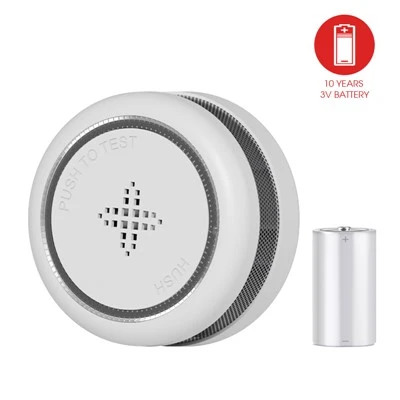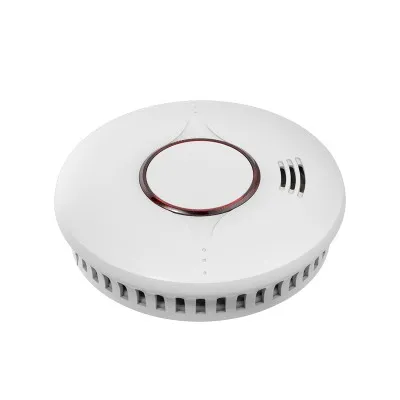


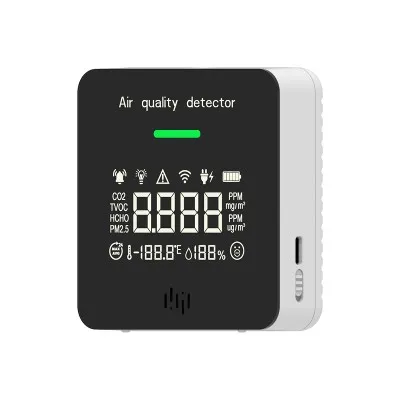


Smoke Detector manufacturer
Zhejiang Jiaboer electronic technology co., ltd. is mainly engaged in the research and development, production and sales of various fire protection and safety electronic products. Our main products include various types of fire detection alarms, CO alarms, household gas alarms, heat alarms, intelligent wireless alarm systems, home security electronic products, low-voltage electrical products including wall switches, sockets, plugs, lampholders, junction boxes, which are mainly sold to European and Australian markets.
High Quality
Renowned for its commitment to excellence, our company stands out with a reputation for delivering high-quality products, ensuring unparalleled satisfaction among our valued customers.
Advanced Equipment
We have invested in top-of-the-line technology, such as the world's most advanced German LORENZ smoke testing case and British AWT smoke testing case. This allows us to ensure the highest standards in the research, development, and production of fire protection and safety electronic products, reinforcing our position as a leader in the market.
Professional Team
Leveraging a highly skilled and dedicated team of professionals, we ensure a seamless synergy of expertise in the development, production, and sales of our fire protection and safety electronic products. Our commitment to excellence is driven by the proficiency of our professional team, assuring top-notch quality and innovation in every aspect of our offerings.
Custom Service: Accept ODM/OEM service
We pride ourselves on providing custom solutions tailored to meet the unique needs of our clients. With a commitment to exceptional service, we readily accept ODM and OEM projects, ensuring flexibility and personalized offerings that align perfectly with your requirements. Your satisfaction is at the core of our customizable approach.
-
![Stand Alone Smoke Detector]() Stand Alone Smoke DetectorModel Number: TSS915A. Photoelectric smoke detector. 9V replaceable battery. With EN14604 BSI certificate quality assurance. Accept customized logo/customized packaging.
Stand Alone Smoke DetectorModel Number: TSS915A. Photoelectric smoke detector. 9V replaceable battery. With EN14604 BSI certificate quality assurance. Accept customized logo/customized packaging. -
![Hardwired Smoke Detector]() Hardwired Smoke DetectorModel Number: TSS890A-HI. Photoelectric smoke detector. Mains power 220-240V with 9V battery backup. With EN14604 BSI certificate quality assurance. Accept customized logo/customized packaging.
Hardwired Smoke DetectorModel Number: TSS890A-HI. Photoelectric smoke detector. Mains power 220-240V with 9V battery backup. With EN14604 BSI certificate quality assurance. Accept customized logo/customized packaging. -
![Domestic Fire Alarm]() Domestic Fire AlarmModel number:TSS380A-H. Photoelectric smoke detector. Built-in 10 years lithium battery. With EN14604 Q-label,NF certificate quality assurance. Accept customized logo/customized packaging.
Domestic Fire AlarmModel number:TSS380A-H. Photoelectric smoke detector. Built-in 10 years lithium battery. With EN14604 Q-label,NF certificate quality assurance. Accept customized logo/customized packaging. -
![Built-in 3V Lithium Battery Mini Smoke Alarm]() Built-in 3V Lithium Battery Mini Smoke AlarmModule: TSS303R. Function: Wireless Smoke Detector. MOQ: 500 Pieces. Customization: Customized Logo/Customized Packaging.
Built-in 3V Lithium Battery Mini Smoke AlarmModule: TSS303R. Function: Wireless Smoke Detector. MOQ: 500 Pieces. Customization: Customized Logo/Customized Packaging. -
![Photoelectric Smoke Alarms]() Photoelectric Smoke AlarmsReliable, EN14604-Certified Fire Safety Solution for Residential & Commercial Projects. Your Trusted Partner for European & Australian Markets.Model number:TSS381A-H. Photoelectric smoke detector.
Photoelectric Smoke AlarmsReliable, EN14604-Certified Fire Safety Solution for Residential & Commercial Projects. Your Trusted Partner for European & Australian Markets.Model number:TSS381A-H. Photoelectric smoke detector. -
![Bulk Smoke Detectors]() Bulk Smoke DetectorsModel number:TSS910A. Photoelectric smoke detector. DC 9V replaceable battery. With EN14604 Q-label,NF certificate quality assurance. Accept customized logo/customized packaging.
Bulk Smoke DetectorsModel number:TSS910A. Photoelectric smoke detector. DC 9V replaceable battery. With EN14604 Q-label,NF certificate quality assurance. Accept customized logo/customized packaging. -
![New Smoke Alarms]() New Smoke AlarmsModel Number: TSS913A. Photoelectric smoke detector. 9V replaceable battery. With EN14604 BSI certificate quality assurance. Accept customized logo/customized packaging.
New Smoke AlarmsModel Number: TSS913A. Photoelectric smoke detector. 9V replaceable battery. With EN14604 BSI certificate quality assurance. Accept customized logo/customized packaging. -
![Home Smoke Detectors]() Home Smoke DetectorsModel number:TSS913A. Photoelectric smoke detector. DC 9V replaceable battery. With EN14604 Q-label,NF certificate quality assurance. Accept customized logo/customized packaging.
Home Smoke DetectorsModel number:TSS913A. Photoelectric smoke detector. DC 9V replaceable battery. With EN14604 Q-label,NF certificate quality assurance. Accept customized logo/customized packaging. -
![Home Smoke Alarms]() Home Smoke AlarmsModel number:TSS912A. Photoelectric smoke detector. DC 9V replaceable battery. With EN14604 Q-label,NF certificate quality assurance. Accept customized logo/customized packaging.
Home Smoke AlarmsModel number:TSS912A. Photoelectric smoke detector. DC 9V replaceable battery. With EN14604 Q-label,NF certificate quality assurance. Accept customized logo/customized packaging. -
![House Smoke Alarms]() House Smoke AlarmsModel number:TSS913A. Photoelectric smoke detector. DC 9V replaceable battery. With EN14604 Q-label,NF certificate quality assurance. Accept customized logo/customized packaging.
House Smoke AlarmsModel number:TSS913A. Photoelectric smoke detector. DC 9V replaceable battery. With EN14604 Q-label,NF certificate quality assurance. Accept customized logo/customized packaging. -
![Fireguard Smoke Alarms]() Fireguard Smoke AlarmsModel number:TSS915A. Photoelectric smoke detector. DC 9V replaceable battery. With EN14604 Q-label,NF certificate quality assurance. Accept customized logo/customized packaging.
Fireguard Smoke AlarmsModel number:TSS915A. Photoelectric smoke detector. DC 9V replaceable battery. With EN14604 Q-label,NF certificate quality assurance. Accept customized logo/customized packaging. -
![New Style Photoelectric Fire Detector]() New Style Photoelectric Fire DetectorModel Number: TSS913A. Photoelectric smoke detector. Mains power DC 9V replaceable battery. With EN14604 BSI certificate quality assurance. Accept customized logo/customized packaging.
New Style Photoelectric Fire DetectorModel Number: TSS913A. Photoelectric smoke detector. Mains power DC 9V replaceable battery. With EN14604 BSI certificate quality assurance. Accept customized logo/customized packaging. -
![Modern Smoke Detector]() Modern Smoke DetectorModel number:TSS912A. Photoelectric smoke detector. DC 9V replaceable battery. With EN14604 Q-label,NF certificate quality assurance. Accept customized logo/customized packaging.
Modern Smoke DetectorModel number:TSS912A. Photoelectric smoke detector. DC 9V replaceable battery. With EN14604 Q-label,NF certificate quality assurance. Accept customized logo/customized packaging. -
![Optical Smoke Detector]() Optical Smoke DetectorModel Number: TSS913A. Photoelectric smoke detector. Mains power DC 9V replaceable battery. With EN14604 BSI certificate quality assurance. Accept customized logo/customized packaging.
Optical Smoke DetectorModel Number: TSS913A. Photoelectric smoke detector. Mains power DC 9V replaceable battery. With EN14604 BSI certificate quality assurance. Accept customized logo/customized packaging. -
![Smoke Detector Alarm]() Smoke Detector AlarmModel Number: TSS912A. Photoelectric smoke alarm. DC 9V replaceable battery. With EN50291-1:2018 BSI certificate quality assurance. Accept customized logo/customized packaging.
Smoke Detector AlarmModel Number: TSS912A. Photoelectric smoke alarm. DC 9V replaceable battery. With EN50291-1:2018 BSI certificate quality assurance. Accept customized logo/customized packaging. -
![Fire Alarm Devices]() Fire Alarm DevicesModel number:TSS915A. Photoelectric smoke detector. DC 9V replaceable battery. With EN14604 Q-label,NF certificate quality assurance. Accept customized logo/customized packaging.
Fire Alarm DevicesModel number:TSS915A. Photoelectric smoke detector. DC 9V replaceable battery. With EN14604 Q-label,NF certificate quality assurance. Accept customized logo/customized packaging. -
![Electric Fire Alarm]() Electric Fire AlarmModel number:TSS910A. Photoelectric smoke detector. DC 9V replaceable battery. With EN14604 Q-label,NF certificate quality assurance. Accept customized logo/customized packaging.
Electric Fire AlarmModel number:TSS910A. Photoelectric smoke detector. DC 9V replaceable battery. With EN14604 Q-label,NF certificate quality assurance. Accept customized logo/customized packaging. -
![Fire Detector]() Fire DetectorModel number:TSS913A. Photoelectric smoke detector. DC 9V replaceable battery. With EN14604 Q-label,NF certificate quality assurance. Accept customized logo/customized packaging.
Fire DetectorModel number:TSS913A. Photoelectric smoke detector. DC 9V replaceable battery. With EN14604 Q-label,NF certificate quality assurance. Accept customized logo/customized packaging.


What is smoke detector?
There are two main types of smoke detectors: photoelectric and ionization. When smoke enters the detector chamber, a photoelectric type detects sudden scattering of light, whereas an ionization type detects the change of electrical current flow that triggers the signal – indicating the presence of smoke.
Smoke detectors have an average life of about 10 years. Detectors need to be tested periodically and the batteries changed when required. Ionization types contain radioactive material called Americium. The amount of radiation from Americium, generally, is not harmful, but intake through the mouth or inhalation by children may cause health issues. When used at home, some detectors use both technologies in combination with heat detectors to be more accurate.
Types of smoke detectors
Every year, more than 2,800 people die in home fires in the United States. Fire deaths are usually the result of breathing in toxic smoke, and most fatal fires occur at night. People are often asleep when a fire breaks out, and the smoke may not wake them until it is too late. Therefore, it is important to have working smoke alarms to alert families of the danger of fire. Generally, there are two types of home smoke alarms: photoelectric and ionization.
Battery-powered units
These are entirely powered by their batteries, which can be either replaceable or permanent lithium batteries sealed inside.
Hardwired units
These connect directly to your home's electrical wiring and typically have a backup battery in case of a power outage.
Photoelectric
These use an LED to detect smoke, which disrupts the light beam and reflects it into a sensor, activating the alarm.
Ionization
These have a small amount of radioactive material between two electrically charged plates. When smoke displaces the radioactive ions, this disrupts the current between the plates and the alarm goes off.

Photoelectric Smoke Alarms
- Photoelectric smoke alarms respond faster to slow burning fires. These fires tend to smolder for hours and produce large amounts of smoke.
- Common causes of smoldering fires are cigarettes, fireplace embers, and electrical shorts.
- Smoldering fires often occur in drapes, bedding, carpeting, and upholstered furniture.
What to look for in smoke detectors
To make sure you're choosing the best smoke detector for your home, it's important to understand their different features.
Multifunctionality
If possible, try to choose a smoke detector that includes more than one function, like a combination smoke and carbon monoxide model. The best smoke detectors generally have both ionization and photosensitive sensors for greater effectiveness.
Smart features
Smoke detectors with smartphone connectivity allow you to shut off nuisance alarms without having to climb a ladder. Smart features can also let you know if the alarm goes off while you're not home.
Backup power
Hardwired smoke detectors require a backup battery to power the unit in the event of a power outage. These will either use replaceable batteries or permanent 10-year batteries.
Certifications
Smoke detectors must meet specific industry requirements before they're approved for use. They should have a clear marking on the back to indicate the testing laboratory — typically UL (Underwriters Laboratories) or ETL (Intertek Testing Services).
Verbal and visual alerts
The best smoke detector for your home may be one that also gives verbal commands instructing you what to do or includes visual aids like bright LEDs. These features can be especially valuable in a dark or smoke-filled house.
State and local laws and regulations
Different states may have different requirements for smoke detectors and their batteries, so check your local laws to make you choose the best smoke detector for your area.
Interconnectivity
Interconnected smoke detectors will automatically trigger every alarm if one is activated. If you use hardwired detectors, you need to physically connect them to achieve this. Battery-powered options, on the other hand, connect via a radio frequency, which requires much less effort to set up.
Installation
You can mount battery-powered detectors on your ceiling with a pair of wall anchors. If you have an existing ceiling mount for a hardwired alarm, you can fit those in easily. However, if you're wiring them from scratch, you'll need to hire a professional. "I wouldn't advise homeowners to try to install hardwire detectors themselves, as getting a permanent supply to the detector can be tricky," Nicholas says.
Sensor type
The best smoke detector for any space will have both ionization and photoelectric sensors. Ideally, you'll want to have at least two separate units because ionization units are too sensitive to place near the bathroom or kitchen — though we do have a two-in-one recommendation in this guide.
Certifications
Create a comprehensive solution for efficient human theft manag

BSCI

BSI

VDS

EN14604

ISO9001

CE
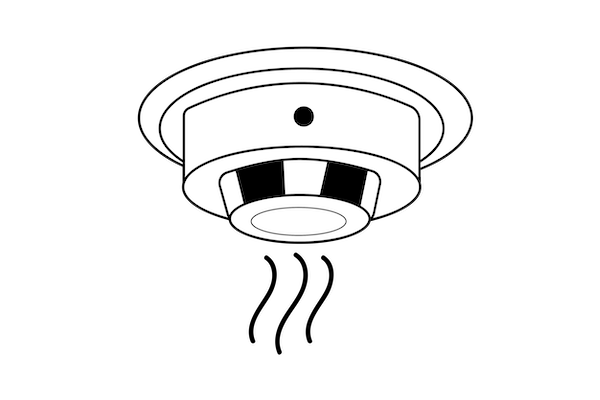
How long do smoke detectors last?
Next time you change the battery in your smoke detectors, be sure to check its age, as well. According to the U.S. Fire Administration, most alarms have a life span of 8-10 years. After this time, the entire unit should be replaced. Most alarms have the date of manufacture inside the unit. If you cannot find the date, replace it. When you install the new alarm, write the purchase date inside the cover.
If your fire alarm is battery powered only, replacement can be done easily with a screwdriver. If it is “hard-wired,” a certified electrician should replace it. It is important to follow the manufacturer's recommendations for maintenance and replacement of an alarm.
Our Factory

Dust-free Workshop

LORENZ Smoke Test Tunnel

SMT Workshop
FAQ
Q: How to get product quotation from you?
Q: Are you manufacture or trading company?
Q: How long is the lead time?
Q: How do you treat the customer complaints?
Q: How long i can get the feedback after we sent the enquiry?
Q: Why is my smoke alarm beeping?
It could indicate the alarm is over 10 years old and needs replacing. View our range of smoke alarms to find a replacement.
There could be a build up of dust inside. To clean it, you can use a vacuum cleaner or hair dryer on a cold setting.
It could also be an issue with the power supply or the batteries may need replacing.
Read our in-depth smoke alarm troubleshooting guide to find a full list of reasons and solutions.
Q: How often should I replace my smoke alarm?
Sign up to our smoke alarm reminder service to be reminded by text or email when your alarm is due to be replaced.
Q: Why do your mains-powered alarms have batteries?
Q: Can air purifiers affect ionisation smoke alarms?
Q: How do I fit my smoke alarm to the ceiling?
Q: How effective are smoke detectors?
Q: How many detectors should I have?
Q: How can I test my detector?
Q: Should I use real smoke to test my detectors?
Q: How important is it to clean my detector?
Q: Where Should Smoke Alarms Be Installed?
Q: When Should I Change The Batteries?
Q: My Smoke Alarm Is Hard Wired, Do I Need The Batteries Too?
Q: Why must I disconnect AC power before changing batteries?
Q: Do 10 year lithium batteries last 10 years?
As one of the most professional smoke detector manufacturers and suppliers in China for over 15 years, we're featured by quality products and good service. Please rest assured to buy smoke detector from our factory.
fire detection solutions, smoke detector reliability assessment, smoke detector customer reviewsPopular Products