



Why Choose Us

Advanced Equipment
We have invested in top-of-the-line technology, such as the world's most advanced German LORENZ smoke testing case and British AWT smoke testing case. This allows us to ensure the highest standards in the research, development, and production of fire protection and safety electronic products, reinforcing our position as a leader in the market.
advanced automation technology,for the world to provide-station integration services

Professional Team
Leveraging a highly skilled and dedicated team of professionals, we ensure a seamless synergy of expertise in the development, production, and sales of our fire protection and safety electronic products. Our commitment to excellence is driven by the proficiency of our professional team, assuring top-notch quality and innovation in every aspect of our offerings.
Competitive Price
Our commitment to providing high-quality fire protection and safety electronic products extends to offering competitive prices. We believe that ensuring safety should be accessible to everyone, and our pricing reflects this dedication to affordability without compromising on quality.

Quality Control
Our commitment to excellence extends to rigorous quality control measures at every stage of production. From raw materials to finished products, we maintain strict standards to ensure that every item adheres to the highest quality, providing you with reliability and customer satisfaction.
-
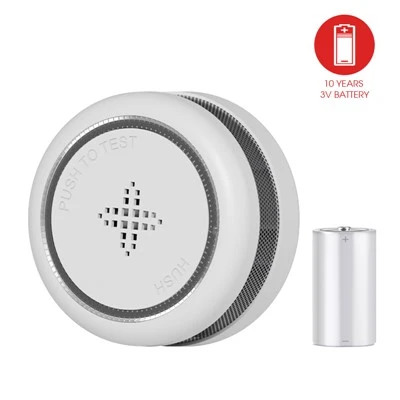
![Built-in 3V Lithium Battery Mini Smoke Alarm]() Built-in 3V Lithium Battery Mini Smoke AlarmModule: TSS303R. Function: Wireless Smoke Detector. MOQ: 500 Pieces. Customization: Customized Logo/Customized Packaging.
Built-in 3V Lithium Battery Mini Smoke AlarmModule: TSS303R. Function: Wireless Smoke Detector. MOQ: 500 Pieces. Customization: Customized Logo/Customized Packaging. -
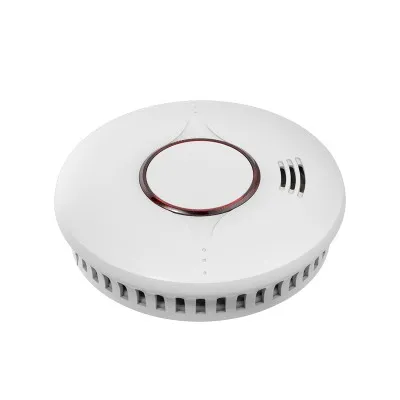
![Interconnected Smoke Alarms]() Interconnected Smoke AlarmsModel number: TSS380D-HR. Dimensions (L x W x H): Φ120 * 38mm. Work voltage: 10 years built-in battery. Product lifetime: 10 years. Warranty time: 3 years. MOQ: Negotiable.
Interconnected Smoke AlarmsModel number: TSS380D-HR. Dimensions (L x W x H): Φ120 * 38mm. Work voltage: 10 years built-in battery. Product lifetime: 10 years. Warranty time: 3 years. MOQ: Negotiable. -
![Wireless Interconnected Smoke Detectors]() Wireless Interconnected Smoke DetectorsModel: TSS380D-HR. Photoelectric smoke detector. Built-in 10 years lithium battery. RF 433MHz wireless module. With EN14604 Q-label,NF certificate quality assurance. Accept customized
Wireless Interconnected Smoke DetectorsModel: TSS380D-HR. Photoelectric smoke detector. Built-in 10 years lithium battery. RF 433MHz wireless module. With EN14604 Q-label,NF certificate quality assurance. Accept customized -
![Interlinked Fire Alarms]() Interlinked Fire AlarmsModel Number: TSS382D-HR. Photoelectric wireless smoke alarm. Non-replaceable 3V lithium battery. With EN14604:2005/AC:2008 certificate quality assurance. Accept customized logo/customized packaging.
Interlinked Fire AlarmsModel Number: TSS382D-HR. Photoelectric wireless smoke alarm. Non-replaceable 3V lithium battery. With EN14604:2005/AC:2008 certificate quality assurance. Accept customized logo/customized packaging. -
![Linked Fire Alarms]() Linked Fire AlarmsModel: TSS895A-HIR. Photoelectric hardwired wireless smoke alarm. Mains power 220-240V power supply with 9V battery backup. With EN14604-2005 BSI certificate quality assurance. With RF 433MHz
Linked Fire AlarmsModel: TSS895A-HIR. Photoelectric hardwired wireless smoke alarm. Mains power 220-240V power supply with 9V battery backup. With EN14604-2005 BSI certificate quality assurance. With RF 433MHz -
![Wired Fire Alarm]() Wired Fire AlarmModel: TSS897A-HIR. Photoelectric hardwired wireless smoke alarm. Mains power 220-240V power supply with 9V battery backup. With EN14604-2005 BSI certificate quality assurance. With RF 433MHz
Wired Fire AlarmModel: TSS897A-HIR. Photoelectric hardwired wireless smoke alarm. Mains power 220-240V power supply with 9V battery backup. With EN14604-2005 BSI certificate quality assurance. With RF 433MHz -
![Wired Smoke Alarm]() Wired Smoke AlarmModel Number: TSS890A-HI. Photoelectric smoke detector. Mains power 220-240V with 9V battery backup. With EN14604 BSI certificate quality assurance. Accept customized logo/customized packaging.
Wired Smoke AlarmModel Number: TSS890A-HI. Photoelectric smoke detector. Mains power 220-240V with 9V battery backup. With EN14604 BSI certificate quality assurance. Accept customized logo/customized packaging. -
![Mains Powered Smoke Alarm]() Mains Powered Smoke AlarmModel Number: TSS893A-HIR. Photoelectric smoke detector. Mains power 220-240V with 9V battery backup. With EN14604 BSI certificate quality assurance. Accept customized logo/customized packaging.
Mains Powered Smoke AlarmModel Number: TSS893A-HIR. Photoelectric smoke detector. Mains power 220-240V with 9V battery backup. With EN14604 BSI certificate quality assurance. Accept customized logo/customized packaging. -
![Wireless Connected Smoke Detectors]() Wireless Connected Smoke DetectorsModel number: TSS380D-HR. Photoelectric wireless smoke detector. Built-in 10 years lithium battery. With EN14604 Q-label,NF certificate quality assurance. Accept customized logo/customized packaging.
Wireless Connected Smoke DetectorsModel number: TSS380D-HR. Photoelectric wireless smoke detector. Built-in 10 years lithium battery. With EN14604 Q-label,NF certificate quality assurance. Accept customized logo/customized packaging. -
![Interlinked Smoke Detectors]() Interlinked Smoke DetectorsModel number: TSS380B-HR. Dimensions (L x W x H): Φ120 * 38mm. Work voltage: 10 years built-in battery. Product lifetime: 10 years. Warranty time: 3 years. MOQ: Negotiable.
Interlinked Smoke DetectorsModel number: TSS380B-HR. Dimensions (L x W x H): Φ120 * 38mm. Work voltage: 10 years built-in battery. Product lifetime: 10 years. Warranty time: 3 years. MOQ: Negotiable. -
![Wireless Linked Smoke Alarms]() Wireless Linked Smoke AlarmsModel number: TSS380B-HR. Dimensions (L x W x H): Φ120 * 38mm. Work voltage: 10 years built-in battery. Product lifetime: 10 years. Warranty time: 3 years. MOQ: Negotiable.
Wireless Linked Smoke AlarmsModel number: TSS380B-HR. Dimensions (L x W x H): Φ120 * 38mm. Work voltage: 10 years built-in battery. Product lifetime: 10 years. Warranty time: 3 years. MOQ: Negotiable. -
![Linked Up Smoke Alarms]() Linked Up Smoke AlarmsModel number: TSS380B-HR. Dimensions (L x W x H): Φ120 * 38mm. Work voltage: 10 years built-in battery. Product lifetime: 10 years. Warranty time: 3 years. MOQ: Negotiable.
Linked Up Smoke AlarmsModel number: TSS380B-HR. Dimensions (L x W x H): Φ120 * 38mm. Work voltage: 10 years built-in battery. Product lifetime: 10 years. Warranty time: 3 years. MOQ: Negotiable. -
![Smoke Alarms For Sale]() Smoke Alarms For SaleModel number:TSS380A-H. Photoelectric smoke detector. Built-in 10 years lithium battery. With EN14604 Q-label,NF certificate quality assurance. Accept customized logo/customized packaging.
Smoke Alarms For SaleModel number:TSS380A-H. Photoelectric smoke detector. Built-in 10 years lithium battery. With EN14604 Q-label,NF certificate quality assurance. Accept customized logo/customized packaging. -
![Rf Smoke Alarms]() Rf Smoke AlarmsModel: TSS893A-HIR. Power supply: AC 220V-240V 50Hz, with DC 9V alkaline battery back up. Conform to EN14604:2005/AC:2008. Alarm volume: ≥85dB at 3m. Big test button for easy weekly testing. Silence
Rf Smoke AlarmsModel: TSS893A-HIR. Power supply: AC 220V-240V 50Hz, with DC 9V alkaline battery back up. Conform to EN14604:2005/AC:2008. Alarm volume: ≥85dB at 3m. Big test button for easy weekly testing. Silence -
![120V Wireless RF Interconnect Smoke Alarm]() 120V Wireless RF Interconnect Smoke AlarmModel: TSS893A-HIR. Power supply: AC 220V-240V 50Hz, with DC 9V alkaline battery back up. Conform to EN14604:2005/AC:2008. Alarm volume: ≥85dB at 3m. Big test button for easy weekly testing. Silence
120V Wireless RF Interconnect Smoke AlarmModel: TSS893A-HIR. Power supply: AC 220V-240V 50Hz, with DC 9V alkaline battery back up. Conform to EN14604:2005/AC:2008. Alarm volume: ≥85dB at 3m. Big test button for easy weekly testing. Silence -
![Smoke Alarm Service]() Smoke Alarm ServiceModel number: TSS380B-HR. Conform to EN14604:2005/AC:2008. RF frequency: 868/433 MHz±50KHz. RF distance: >100 meters in open area. Size: Φ120mm*38mm
Smoke Alarm ServiceModel number: TSS380B-HR. Conform to EN14604:2005/AC:2008. RF frequency: 868/433 MHz±50KHz. RF distance: >100 meters in open area. Size: Φ120mm*38mm -
![Wireless Fire Alarm System]() Wireless Fire Alarm SystemModel: TSS891A-HIR. Power supply: AC 220V-240V 50Hz, with DC 9V alkaline battery back up. Conform to EN14604:2005/AC:2008. Alarm volume: ≥85dB at 3m. Big test button for easy weekly testing. Silence
Wireless Fire Alarm SystemModel: TSS891A-HIR. Power supply: AC 220V-240V 50Hz, with DC 9V alkaline battery back up. Conform to EN14604:2005/AC:2008. Alarm volume: ≥85dB at 3m. Big test button for easy weekly testing. Silence -
![Wireless Smoke Detectors]() Wireless Smoke DetectorsModel: TSS891A-HIR. Power supply: AC 220V-240V 50Hz, with DC 9V alkaline battery back up. Conform to EN14604:2005/AC:2008. Alarm volume: ≥85dB at 3m. Big test button for easy weekly testing. Silence
Wireless Smoke DetectorsModel: TSS891A-HIR. Power supply: AC 220V-240V 50Hz, with DC 9V alkaline battery back up. Conform to EN14604:2005/AC:2008. Alarm volume: ≥85dB at 3m. Big test button for easy weekly testing. Silence


Wireless Smoke Detector manufacturer
Zhejiang Jiaboer electronic technology co., ltd. is mainly engaged in the research and development, production and sales of various fire protection and safety electronic products. Our main products include various types of fire detection alarms, CO alarms, household gas alarms, heat alarms, intelligent wireless alarm systems, home security electronic products, low-voltage electrical products including wall switches, sockets, plugs, lampholders, junction boxes, which are mainly sold to European and Australian markets.
What is a Wireless smoke detector?
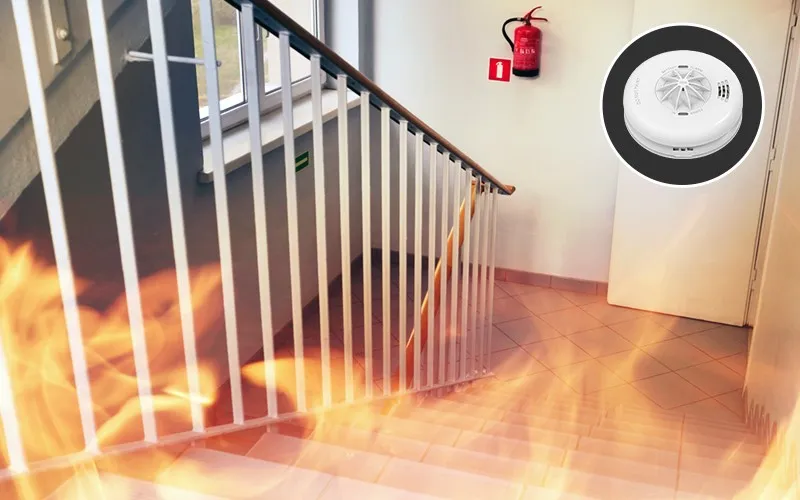
Wireless home smoke detectors offer two layers of protection. Like a traditional smoke detector, they alert you if there’s a fire in your home. They also connect to WiFi, allowing you to control them through an app and receive alerts if they detect smoke — even when you’re not home. But before running out to replace your existing smoke detectors with “Wirelesser” versions, there are some things to know.
We spoke with Ben Kolo, owner of Mr. Electric in central Iowa, about the pros and cons of Wireless smoke alarms and what you should look for if you decide to get one.
The easiest way to understand how Wireless smoke detectors work is to think of them as Wi-Fi smoke detectors. When an alarm is triggered, the Wireless smoke detectors use Wi-Fi or similar communication technology to connect to your Wireless home hub (if you have one) and an app on your Wirelessphone.
If you accidentally burn a batch of peanut butter cookies and trigger a false alarm, you can use the phone app to silence the alarm.
If you have multiple Wireless smoke detectors synced up, all of them should sound alarms even if only one is triggered. Additionally, the notification you receive from your Wireless home hub can help you determine which alarm has been triggered.
If you are away from home and receive a concerning notification, you can notify emergency services quickly and potentially avoid serious damage.

Wireless Smoke Detector Power and Connectivity Concerns
Wireless smoke detectors have workarounds for when the power or internet is out. Even if your Wireless smoke detector is hard-wired into your electrical system, the backup battery system should take over during a power outage.
If there is an internet outage, several Wireless smoke detector models can also use Bluetooth to communicate with your cellphone (if you are home) or with your Wireless home system when an alarm is triggered. As long as your Wireless home hub or system has cellular connection capabilities, it's possible it can use a standard cellular signal to send notifications to you and emergency services.
However, not all Wireless home automation systems feature cellular connectivity and some options may require an additional device and possibly a monthly fee for a cellular connection. If internet or power outages are common in your area, choosing an option that offers cellular connectivity provides peace of mind that may be worth the extra cost.
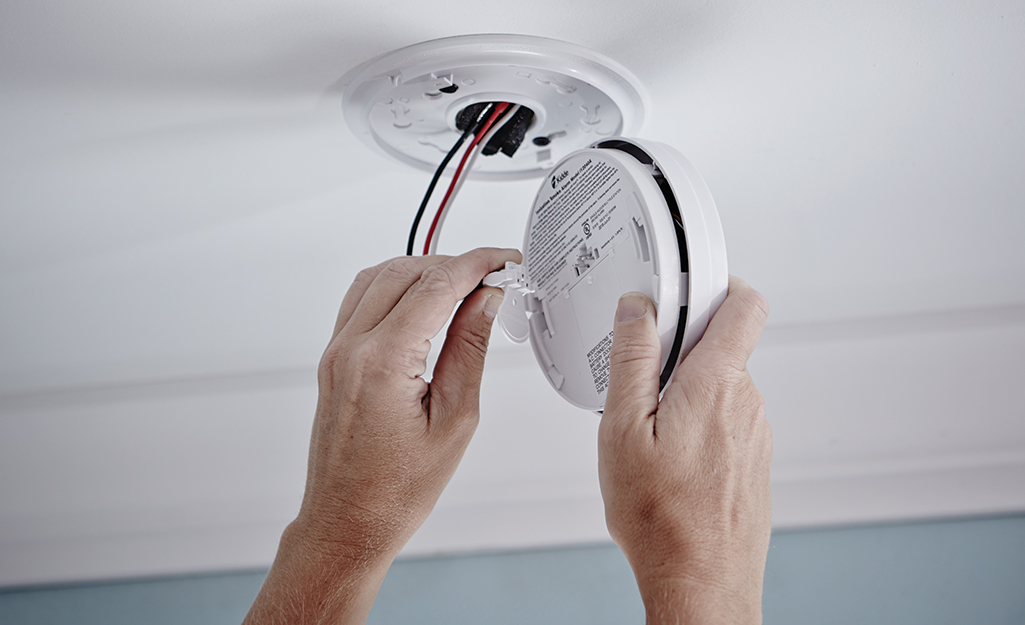
If you are unsure of anything when installing hard-wired Wireless smoke detectors, it's best to get help or hire someone with certified electrical know-how to ensure correct installation.
The typical installation of Wireless smoke detectors depends on whether they are battery-powered or hard-wired. Battery-powered Wireless smoke detectors are the easiest to install, as you can mount them on any wall or ceiling.
If you are installing more than one, it's best to insert the batteries and perform testing and pairing before mounting them on the wall. (For testing and pairing, the devices will come with step-by-step instructions.)
Hard-wired Wireless smoke detectors require you to turn off the power to your home at the breaker box while following the instructions to connect your Wireless detectors.
Why do you need a Wireless smoke alarm?
Regular smoke detectors can also detect smoke, so why would a Wireless smoke alarm be a better choice? That's because it can do a lot of things that regular alarms can't.
A primary benefit of using a Wireless smoke detector is that you can remotely monitor any emergencies in your home, which is useful if you’re away from your home on vacation, at work, or running errands. You can receive instant notifications.
Should you buy a Wireless smoke detector?
A primary benefit of using a Wireless smoke detector is that you can remotely monitor any emergencies in your home, which is useful if you’re away from your home on vacation, at work, or running errands. You can receive instant notifications, and if you are home in the event of a fire, you can shut off the alarm using simple voice commands.
According to the National Fire Protection Association (NFPA), fire research shows that today’s modern furnishings cause home fires to spread more quickly than they did in the past when most furniture was made of natural materials. When a fire starts in a home, those inside may have limited time to make it out safely.
Because Wireless smoke detectors come with better safety features than a basic smoke detector, they give you more peace of mind and protection. Additionally, there have been instances where basic smoke detectors fail to detect smoke.
Before purchasing any smoke detectors for your home, be sure to assess how many you need depending on your home’s size. At a minimum, place one smoke detector on each level of your home—it’s best to put one in each room of your home for optimal safety.
The main benefit of a Wireless smoke detector is that you can set it and forget it. When it is time to replace the batteries, your Wirelessphone app will automatically alert you. Most of them also will tell you that battery power is getting low, so you’ll never go unprotected.

Protect Your Home With a Wireless Smoke Detector
You don’t have to be a big techie to have used Wireless home devices like Amazon Alexa, Google Assistant, Wireless thermostats, or Apple HomeKit. These make life easier in many ways, but did you know Wireless devices can also keep you safe from a fire? Wireless smoke detectors do more than just make a loud noise when there's smoke; they can send messages to your phone to let you know something's wrong, even when you're not at home.
In this article, we'll talk about why having a Wireless smoke detector is important for keeping your home and loved ones safe from house fires. We will go over the best places to put these alarms and the cool features that make Wireless smoke detectors better than old-fashioned ones.
Read on to learn how a Wireless smoke detector can help keep your home and family safe, and why getting one is a Wireless choice for fire safety.
Ceiling vs. wall mounting
Lorem ipsum dolor sit amet, consectetur adipiscing slit. Nunc blandit dui eget ipsum pulvinar tempor. In laoreet elit sodales, finibs lorem nec, rutrum ipsum.
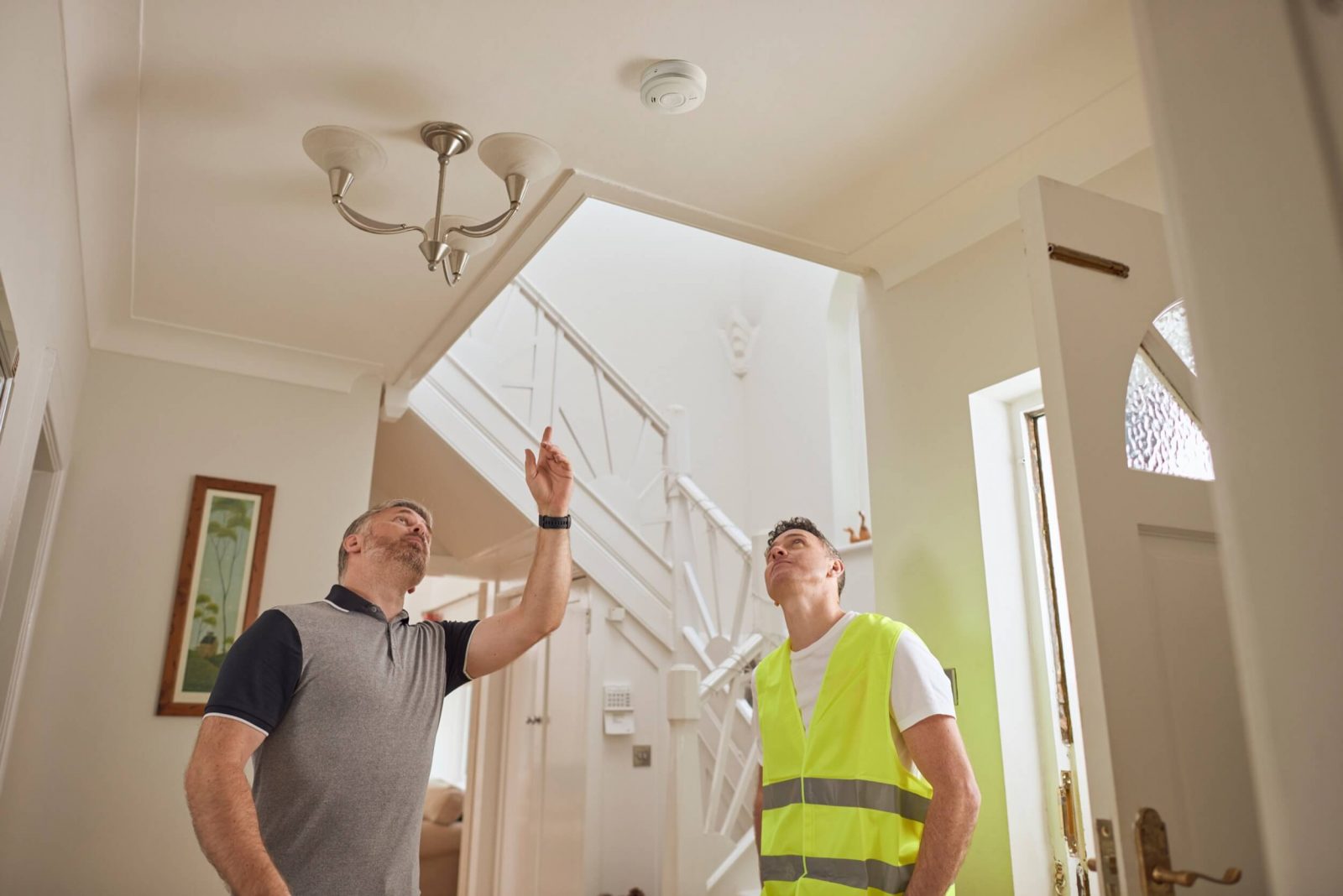
Ceiling
Mounting smoke detectors on the ceiling is typically the better choice, since smoke rises. However, if wall mounting is your only option, place them high on the wall, ideally 4 to 12 inches from the ceiling.
wall mounting
For homes with high or cathedral ceilings, placement gets a bit tricky as smoke may not reach a detector placed at the highest point quickly enough to alert you to a fire in time to respond. In such cases, avoid placing the detector at the apex of the ceiling; instead, install it on the sloped portion at least four inches from the highest point. This placement ensures better smoke detection while maintaining a sleek appearance.

FAQ
Q: 1.Q: Is it worth getting a Wireless smoke detector?
Q: 2.Q: What is a Wireless fire alarm system?
Q: 3.Q: What are the 3 types of smoke detectors?
Q: 4.Q: How many Wireless smoke detectors do I need?
Q: 5.Q: Are Wireless alarms safe?
Q: 6.Q: What is the best technology for smoke detectors?
Q: Q: What Wireless solutions can be taken when a smoke is detected by a sensor?
Q: 8.Q: Why do your mains-powered alarms have batteries?
Q: Q: Do wireless smoke detectors need WiFi?
Q: Q: What is the range of a wireless smoke detector?
Q: 10.Q: How effective are smoke detectors?
Q: 11.Q: Can I add a wireless smoke detector to a wired system?
Q: 12.Q: Can different brands of wireless smoke detectors be interconnected?
Q: 13.Q: Will a hardwired smoke detector work with just a battery?
Q: 14.Q: How important is it to clean my detector?
Q: 15.Q: Where Should Smoke Alarms Be Installed?
Q: 16.Q: When Should I Change The Batteries?
Q: 17.Q: My Smoke Alarm Is Hard Wired, Do I Need The Batteries Too?
Q: 18.Q: Why must I disconnect AC power before changing batteries?
Q: 19.Q: Do 10 year lithium batteries last 10 years?
Q: 20.Q: Do smoke alarms need replacing?
As one of the most professional wireless smoke detector manufacturers and suppliers in China for over 15 years, we're featured by quality products and good service. Please rest assured to buy wireless smoke detector from our factory.
120V Wireless RF Interconnect Smoke Alarm, Nb Iot Wireless Smoke Detector StrobePopular Products