





Products Description
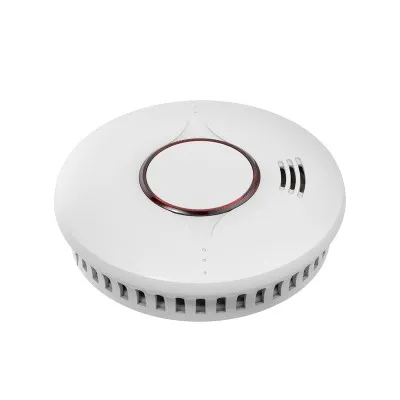
The term "hardwired" refers to any electrical fixture or appliance where the circuit cable runs directly into an electrical connection box on the device rather than using wires that plug into an electrical outlet. From the outside, hardwired smoke detectors look a lot like battery-operated smoke detectors and are located in the same areas of the home. The difference is that hardwired smoke detectors include an invisible cable that connects directly to the back of the smoke detector behind the ceiling or wall. The cable provides power to the smoke detector at all times, except when the power is out. If the power supply fails, the onboard battery will take over and continue to power the smoke detector.
Features:
Power supply: AC 220V-240V 50Hz, with DC 9V alkaline battery back up
Conform to EN14604:2005/AC:2008
Alarm volume: ≥85dB at 3m
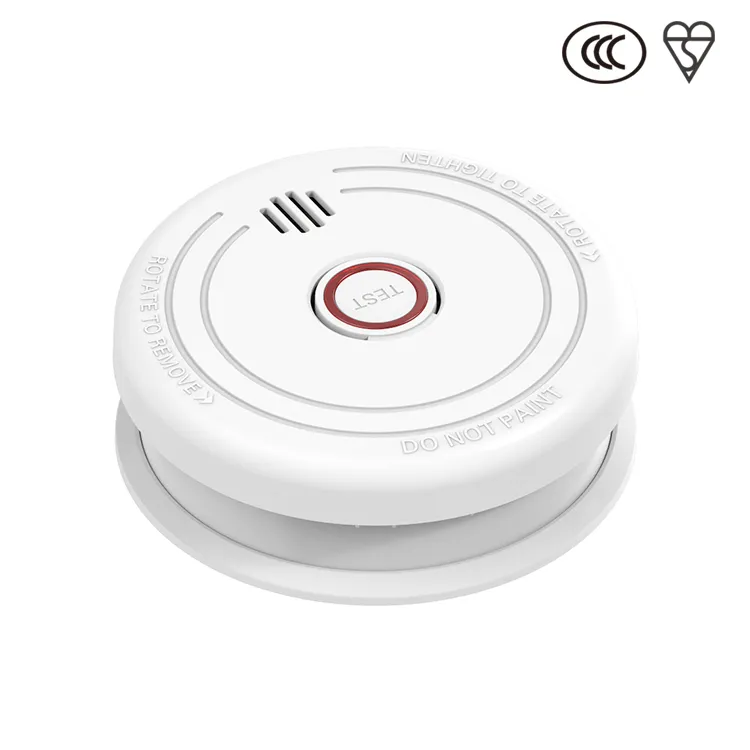
Big test button for easy weekly testing
Silence function: Approx.8 mins
Low battery signal alarm
Product life time > 10 years
Wired interconnection up to 40pcs
Automatic compensation design
Push base for easy installation

Products video
Products detail

alarm volume
Alarm volume is loud and clear, reaching or surpassing 85dB within a 3-meter radius.
time life
Our products have a service life of up to ten years, ensuring long-lasting reliability and peace of mind for our customers.


test button
Easily test your alarm weekly with the convenient test button.
Easy Installation
We offer two installation methods: expansion screws or magnetic strips.

The Importance of Hardwired Smoke Detectors
enhanced reliability
When it comes to fire safety, reliability is crucial. Hardwired smoke detectors connect directly to the building's electrical system, ensuring continuous power. Unlike battery-operated smoke detectors, which can malfunction if the batteries are drained or removed, hardwired detectors provide uninterrupted protection. This reliability is especially important during a power outage, when fire hazards are more prevalent due to the use of candles, portable heaters and alternative power sources.
Interoperability and early warning
Hardwired smoke detectors can be interconnected, meaning when one detector detects smoke or fire, it triggers all detectors in the system simultaneously. This interconnectivity can provide early warning in the event of a fire, regardless of location within the building. Interconnected, hardwired detectors can significantly increase chances of survival by giving occupants more time to evacuate and respond to fire emergencies.
Integrated backup system
While hardwired smoke detectors rely on the electrical system for power, they also come with an integrated backup system. These backup systems usually consist of batteries or capacitors that automatically activate in the event of a power outage. This feature ensures that the detector continues to operate and provides necessary protection even when the power supply is interrupted. It is important to test these backup systems regularly to ensure their functionality.
Integrate with fire alarm system
In larger buildings or commercial spaces, hardwired smoke detectors can integrate seamlessly with comprehensive fire alarm systems. These systems not only sound alarms, but can also trigger sprinklers, emergency lighting and notify the fire department. By combining hardwired smoke detectors with sophisticated fire alarm systems, building owners can create a strong fire safety infrastructure that significantly reduces fire-related risks.
Reduce maintenance
One of the advantages of hardwired smoke detectors is their lower maintenance requirements compared to battery-operated smoke detectors. Battery-operated smoke detectors require regular battery replacement and regular testing to ensure functionality. Hardwired detectors, on the other hand, do not require battery replacement and rely on routine testing to ensure proper operation. Not only does this feature save homeowners time and effort, it also minimizes the risk of the detector not working due to neglecting to replace the batteries.
Comply with building codes and insurance requirements
Many jurisdictions have building codes and insurance requirements that mandate the installation of hardwired smoke detectors in residential and commercial buildings. Complying with these codes and requirements is critical not only for the safety of the occupants, but also for legal and insurance purposes. Failure to install hardwired smoke detectors may result in penalties or difficulty obtaining insurance. By proactively installing these detectors, homeowners can ensure compliance and maintain peace of mind.
Compatibility with modern home automation systems
With the rise of smart home and automation technology, hardwired smoke detectors can be seamlessly integrated into these systems. Homeowners can connect their hardwired detectors to a home automation hub, allowing them to receive instant notifications, remotely monitor their status, and even integrate them with other security features like security cameras. This integration enhances overall home security and provides homeowners with increased control and peace of mind.
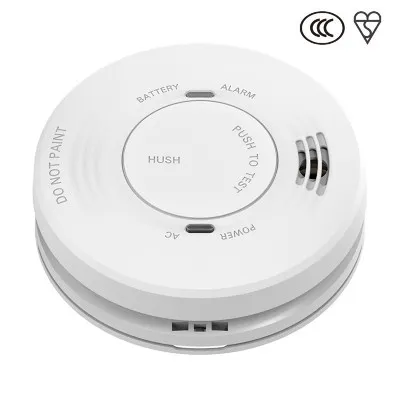
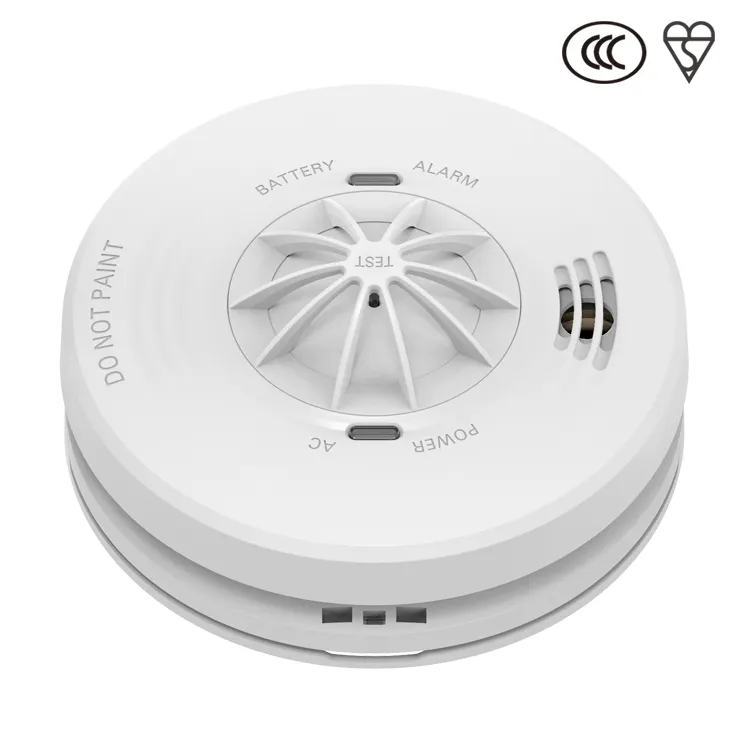
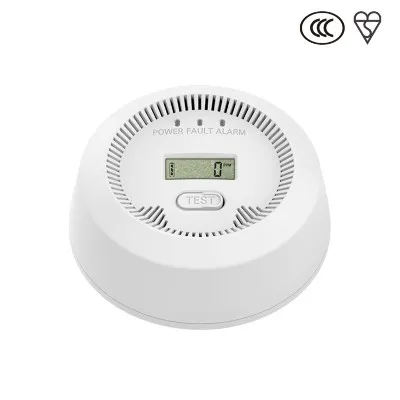
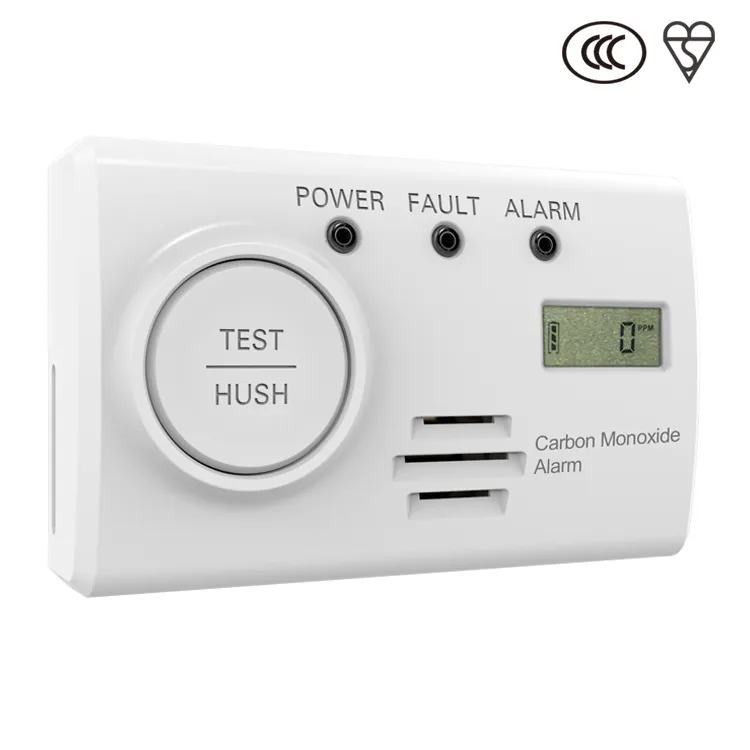
our Factory




Certifications
Certifications

BSCI

Kitemark

Intertek

NF

VdS

CE
Exhibitions

2021
Beijing Exhibition

2022
Hannover Messe in Germany

2023
The 133rd Canton Fair

2023
Spring Hong Kong Exhibition

2023
Autumn Hong Kong Exhibition

2023
London Exhibition

2023
Birmingham Show

2023
Dubai Exhibition
Why install a smoke alarm?
Smoke alarms should also be interconnected so that when one alarm is activated, all smoke alarms will sound. Interconnected smoke alarms are either hardwired or wirelessly interconnected and powered by lithium batteries that last ten years. Hardwired smoke alarms should only be installed by a professional electrician.
It's obvious that fire alarms can give you peace of mind and protect your family and assets from fire. But to ensure you get the most out of your smoke alarm, you must strategically plan where you install it. Read on to learn about the best smoke alarm installations for your home.
FAQ
Q: How long is your delivery time?
A: Generally it is 5-10 days if the goods are in stock, or it is 15-20 days if the goods are not in
Hot Tags: Wired Fire Alarm, China, manufacturers, suppliers, factory, Nb Iot Wireless Smoke Detector Strobe, 120V Wireless RF Interconnect Smoke Alarm


