

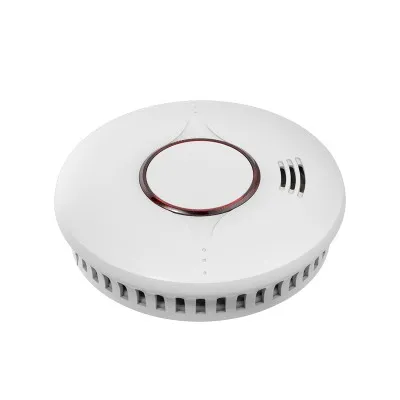


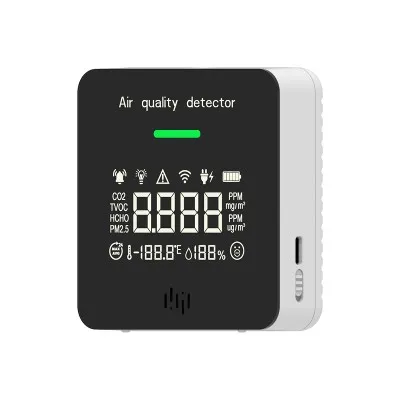


Products Description
Wireless connected smoke detectors are an incredibly valuable home safety tool. These detectors operate on a wireless network, which allows them to communicate with one another. This way, when one detector detects smoke or fire, it will send a signal to all the other connected detectors, alerting you and your loved ones to the danger.

Products video
Products detail
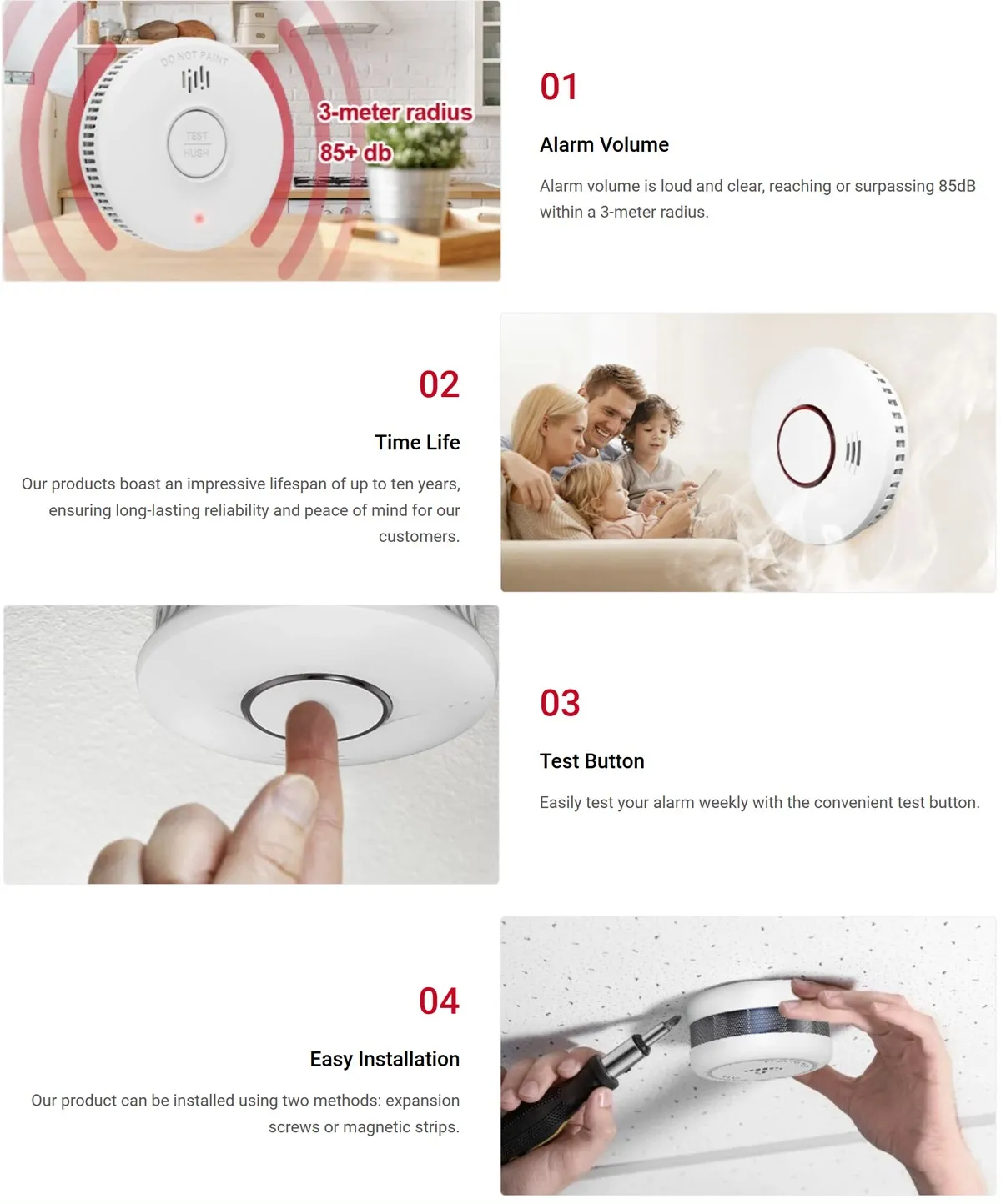
What are the three wires on a smoke detector for?
Smoke detectors typically use 2 or 4 wires for power and connections, but some systems may also use 3 wires.
3-wire smoke detectors typically have two power wires and an interconnecting wire. Two power wires will connect to the mains and provide power to the sensors and alarms, while the third power wire will connect to other detectors in the system.
Note that 3-wire smoke detector systems are less common and may not be as widely used or supported as 2- or 4-wire systems.
If you buy an AC powered smoke alarm today, it will have three wires: black, white, and red. The black one accepts 120 volt AC, the white one is the neutral wire, and the red one is the internal communication wire.
Learn about the benefits of wireless fire alarm systems
Wireless fire alarm systems have revolutionized the way we approach fire safety in buildings. Due to the increased flexibility during installation, these systems offer a range of advantages, making them ideal for both new construction and retrofitting of existing buildings.
Improve flexibility during installation
One of the main advantages of wireless fire alarm systems is the ease and flexibility they offer during installation. Unlike traditional wired systems that require extensive wiring through walls and ceilings, wireless systems eliminate this need. This means that wireless systems can be installed without damaging the structure or aesthetics of the building.
Retrofitting existing buildings with wired systems often involves invasive work that can damage walls or ceilings. However, with wireless fire alarm systems, this worry is a thing of the past. Whether it is an office building or a historic building, wireless systems can be integrated seamlessly without compromising the integrity of the building.
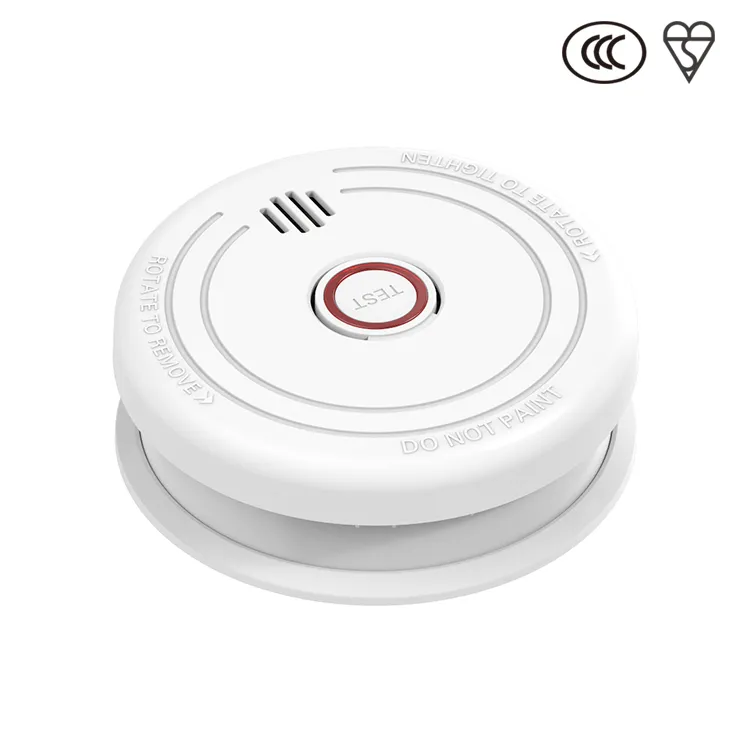
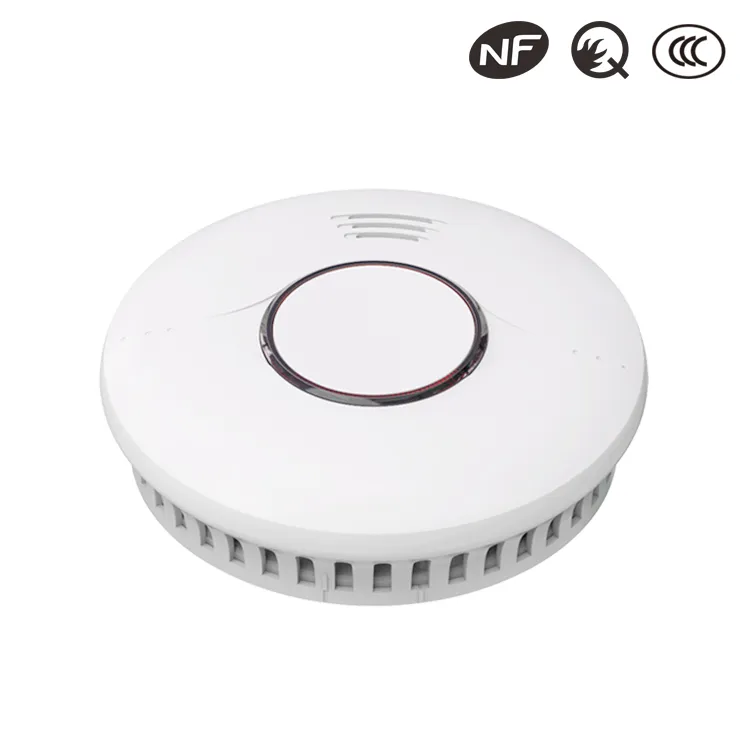
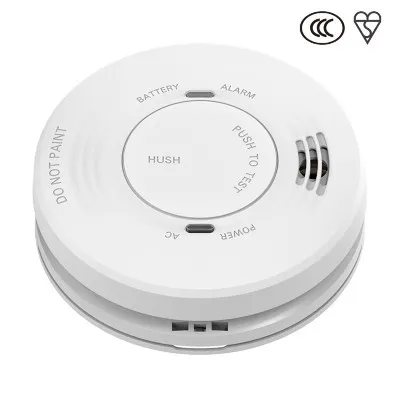
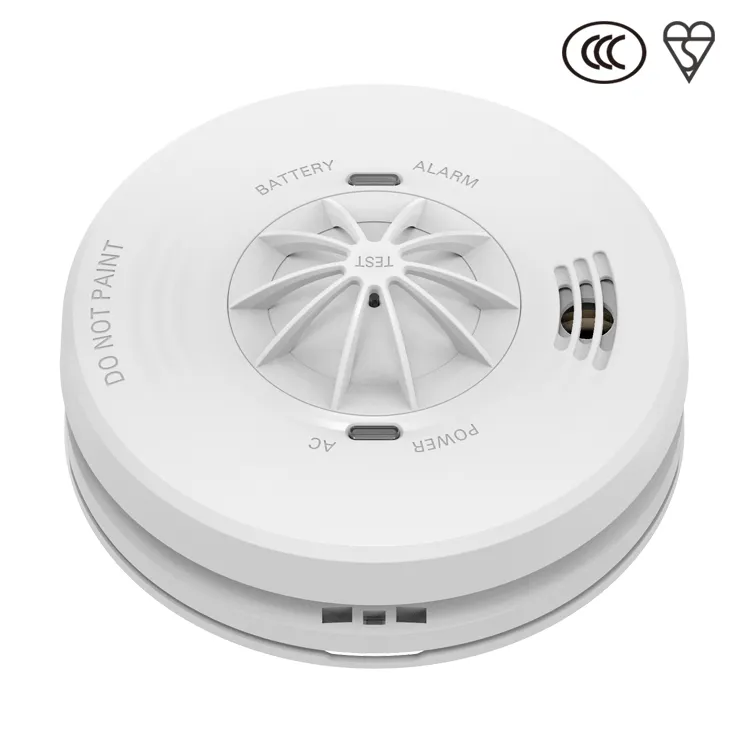
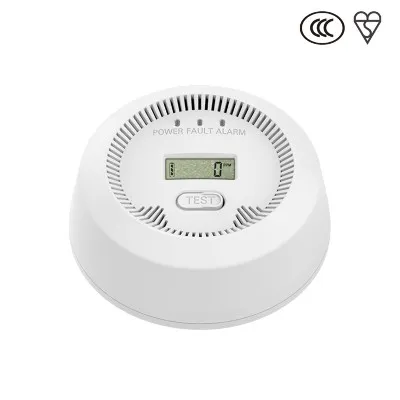
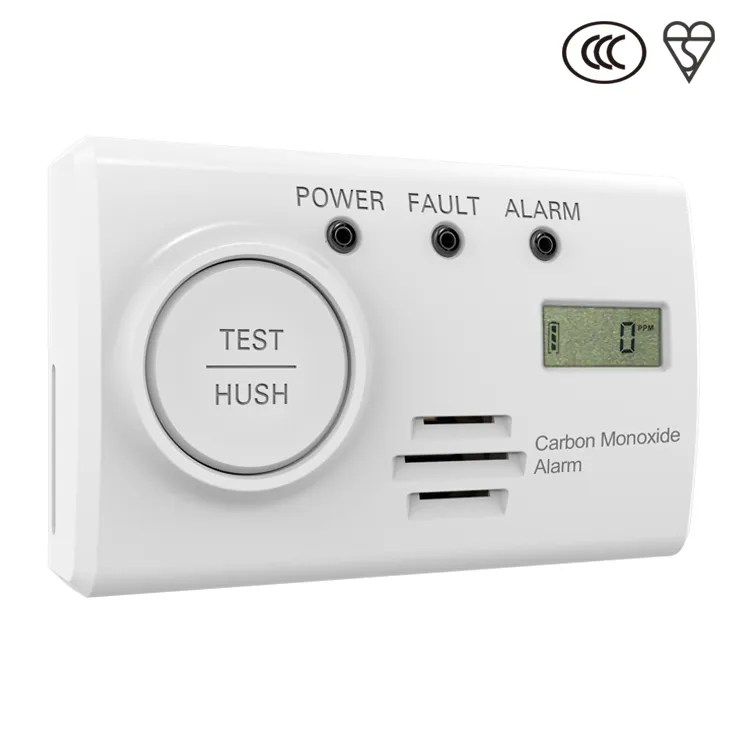
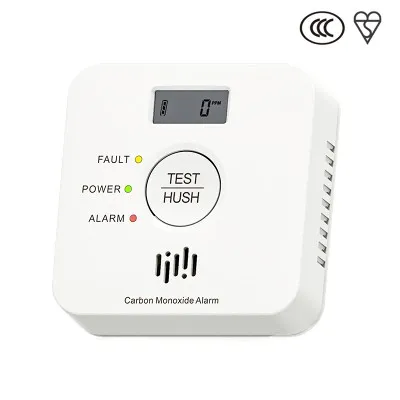
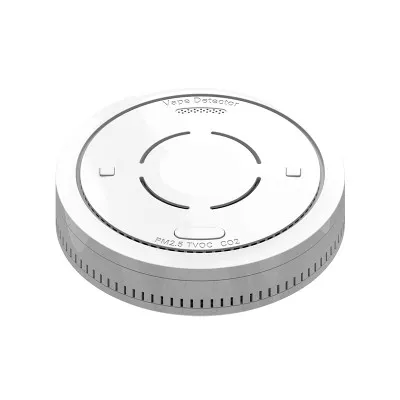
Reasons to buy a wireless smoke alarm
1. Easy to install
One of the biggest advantages of wireless smoke alarms is the simplicity of the installation process. Unlike wired smoke alarms, which require professional help and complicated wiring, wireless smoke alarms can be installed by anyone with basic DIY skills. Just install the alarm in the desired location and start using it.
2. Flexibility
Wireless smoke alarms offer unparalleled flexibility. You can easily move them around your home without rewiring. This means you can adapt to changing needs or rearrange furniture without having to worry about the location of your smoke alarm.
3. Enhance security
When it comes to safety, wireless smoke alarms are second to none. They provide reliable, instantaneous detection of smoke or fire, ensuring early warning and giving you and your family ample time to evacuate. With a wireless alarm clock, you can sleep peacefully knowing you're protected.
4. Interconnection
Wireless smoke alarms can be interconnected to create an alarm network throughout the home. When one alarm detects smoke, all interconnected alarms will sound simultaneously, alerting everyone in the house. This interconnectivity enhances security and ensures no one misses an alert.
5. Compatibility
Wireless smoke alarms are compatible with a variety of smart home systems and devices. You can integrate them with your existing home automation system for seamless control and monitoring. This compatibility adds additional convenience and functionality.
6. Cost-effectiveness
While wireless smoke alarms may cost more upfront compared to wired alarms, they prove to be cost-effective in the long run. Wireless smoke alarms require no professional installation and can be easily moved, saving you money on installation and maintenance costs.
our Factory




Certifications

Exhibitions

Troubleshooting interconnected smoke alarms
Sometimes interconnected smoke alarm systems malfunction for no apparent reason. In this case, you can use the following list as a troubleshooting checklist:
Dead or low battery: Check the battery and remove any dead or low battery.
Low Voltage: If the voltage to your smoke alarm is too low, the alarm may not function properly. Check the circuit breaker or fuse to make sure power is on and flowing properly.
Loose Connections: Sometimes, fixing an electrical problem is just a matter of pushing the cable back a few inches. Check all connection points to make sure they are tight and secure.
Interference: If there is interference from other electronic devices, it may cause the wireless interconnected smoke alarm to malfunction. Place smoke alarms away from other electronic devices to reduce interference.
Dust and Debris: Dust and debris can accumulate inside a smoke alarm, causing it to malfunction. Clean the smoke alarm with a soft brush or vacuum cleaner to remove dust and debris.
Outdated: If smoke alarms are out of date, they may not function properly or be incompatible with new equipment. In this case, consider replacing the alarm.
What circuit does a smoke detector use?
The most common circuit for smoke detectors is the 120 volt AC circuit. This is a standard circuit found in most homes and buildings and is used to power lights, sockets, and other electrical devices. Smoke detectors are connected to this circuit for reliable power.
Another circuit often used by smoke detectors is the low voltage circuit. This type of circuit uses low-voltage wiring to connect smoke detectors together and is often used to interconnect smoke detector systems.
Battery-operated smoke detectors are also available that do not require any electrical circuitry. This type of smoke detector is battery powered and can be installed anywhere there is no electrical circuit.
Hot Tags: Wireless Connected Smoke Detectors, China, manufacturers, suppliers, factory, Nb Iot Wireless Smoke Detector Strobe, 120V Wireless RF Interconnect Smoke Alarm


