

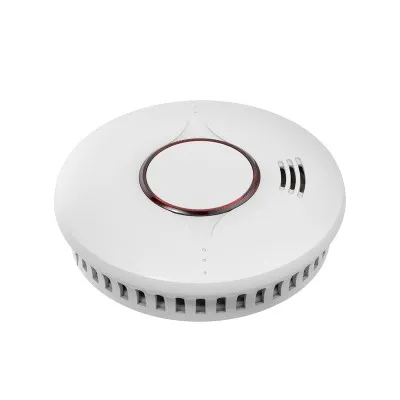


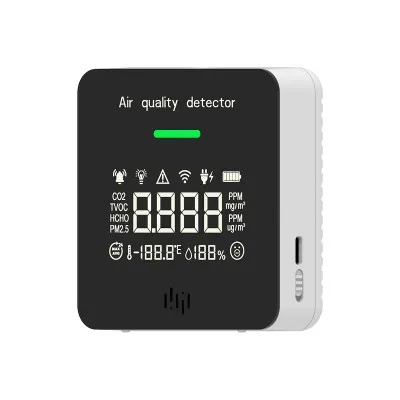


Products Description
a wireless fire alarm system is just what it sounds like: a system that relies on wireless signals to communicate alerts and data between different components (e.g. smoke detectors, control panels, notification devices, etc.). This is in contrast to traditional hardwired systems, which require physical wires to link each component together. Not only does this make wireless systems much easier and faster to install, but it also makes them more flexible, adaptable, and scalable.
One of the biggest advantages of a wireless fire alarm system is that it can be installed with minimal disruption to your property. This is particularly useful for retrofitting existing buildings or adding new fire protection measures to areas that are difficult to access (e.g. high ceilings, walls, or underground spaces). With wireless systems, there's no need to tear out walls or ceilings to run wires, which can be both time-consuming and expensive. Instead, wireless components can be simply mounted where needed and programmed to communicate with each other over the airwaves.
Another advantage of wireless systems is their ability to adapt to changes in your property over time. For example, if you need to add an extra room to your office space or move smoke detectors from one floor to another, you can do so quickly and easily without having to rewire anything. This makes wireless systems much more future-proof than hardwired systems, which can quickly become outdated and inflexible.
Wireless fire alarm systems are also more reliable than traditional systems, as they are less prone to physical damage or wear and tear. Wires can break or corrode over time, which can lead to false alarms or even complete system failures. Wireless signals, on the other hand, are less susceptible to these kinds of issues, meaning your fire protection system will be more consistent and accurate overall.
Finally, wireless fire alarm systems can be much more cost-effective in the long run. While they may have slightly higher upfront costs than traditional systems, the savings in labor and material costs can quickly add up. Additionally, because wireless systems can be more easily installed, maintained, and upgraded, you won't need to spend as much money on ongoing maintenance or replacement costs.
Technical Parameters:

Advantages of Wireless Fire Alarms
As communications systems continue to go wireless, it is only a matter of time before life safety systems follow suit.
Wireless fire alarms are easy to install anywhere – The main advantage of any wireless system is its portability. While traditional wired systems need to be hardwired into place, wireless systems only require a few nuts, bolts, and screws. Therefore, they can be installed anywhere and moved as needed.
Wireless fire alarms are easy to modify - updating your building's layout? Need to move your fire alarm? no problem! Wireless fire alarms can be moved as needed, so no matter what changes happen to your building, you always have the best possible protection.
Wireless fire alarms also work if the power goes out - since wireless systems run on batteries, you don't need to connect the system to the grid. Therefore, if a power outage occurs, your system will continue to operate without a drop in protection.
Products video
Products detail

alarm volume
Alarm volume is loud and clear, reaching or surpassing 85dB within a 3-meter radius.
time life
Our products have a service life of up to ten years, ensuring long-lasting reliability and peace of mind for our customers.


test button
Easily test your alarm weekly with the convenient test button.
Easy Installation
We offer two installation methods: expansion screws or magnetic strips.

Best Selling
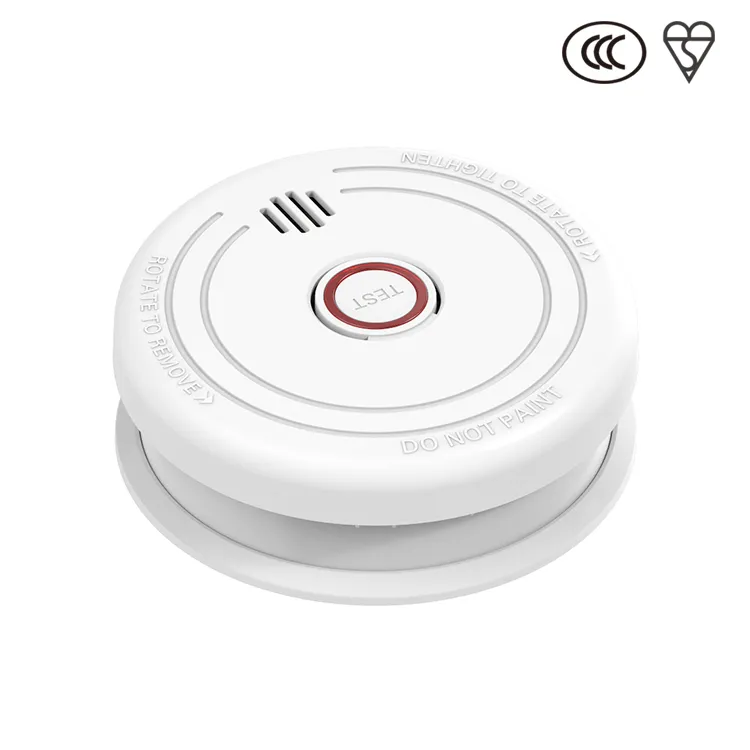
9V Battery Smoke Alarm
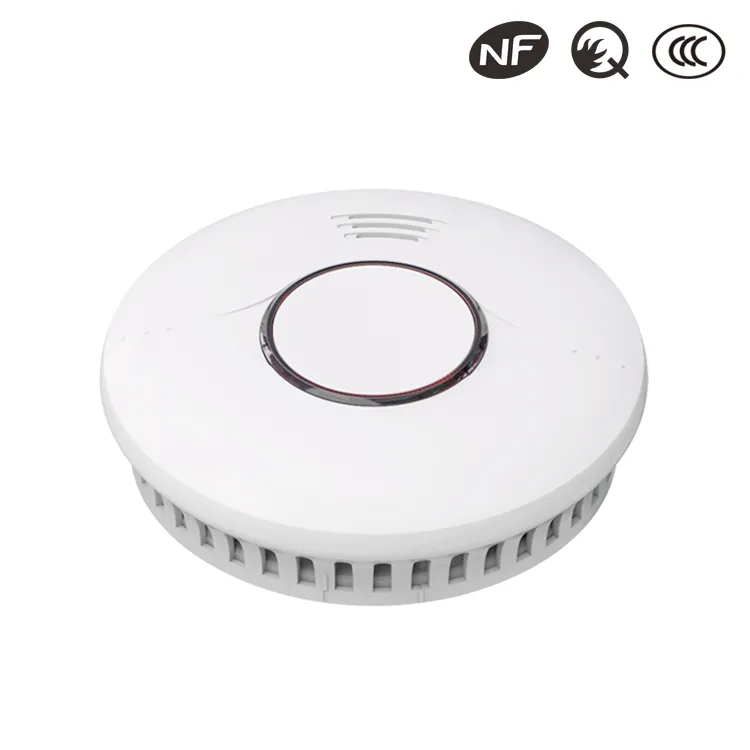
3V Battery Smoke Alarm

Mains Power Smoke Alarm
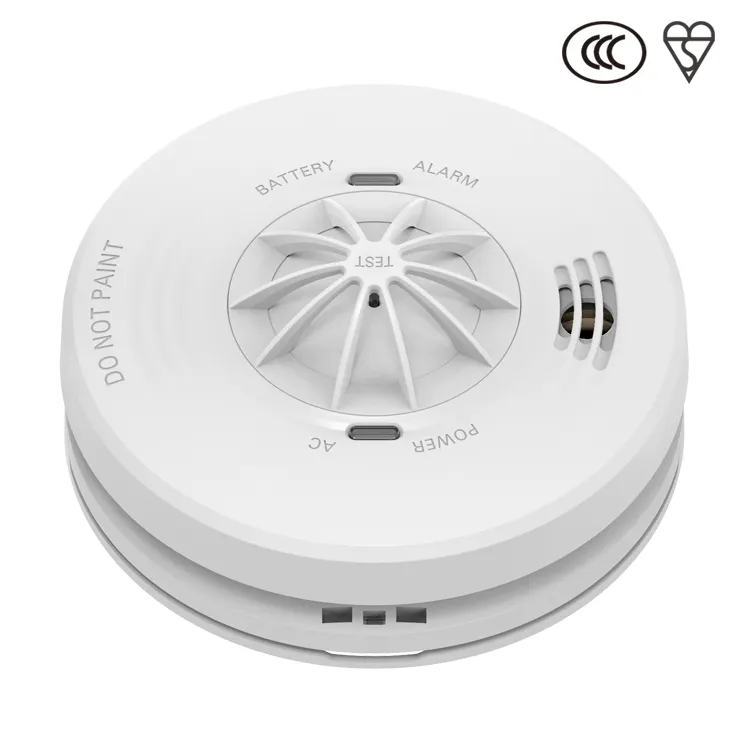
Mains Power Heat Alarm

Standalone Carbon Monoxide Alarm

Standalone Carbon Monoxide Alarm
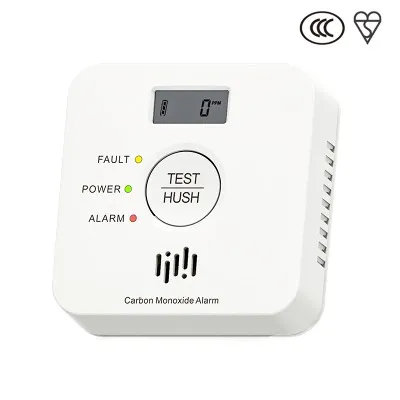
Wireless Carbon Monoxide Alarm

Vaping Detector
How wireless fire alarm systems work
1. Radio frequency signals used for communication
In a wireless fire alarm system, each device acts as a node, sending and receiving signals to other devices within the network. These nodes communicate via radio frequency signals, allowing data to be transferred seamlessly throughout the system. This wireless nature eliminates the need for complex wiring installations, making it easier and more cost-effective to implement such systems in a variety of settings.
2. Alert the control panel
When a device within a wireless fire alarm system detects smoke or heat, it immediately sends an alarm signal to the central control panel. This control panel acts as the brains of the entire system, constantly monitoring incoming signals from all connected devices. Once an alarm is received, the control panel triggers alarms and notifications throughout the premises to warn occupants of potential hazards.
3. Quick response to emergencies
One of the main advantages of wireless fire alarm systems is their ability to facilitate fast and effective communication during emergencies. Traditional wired systems often face limitations due to physical limitations such as walls or ceilings that hinder signal transmission. However, with wireless technology, these obstacles are overcome because signals can easily travel through open spaces, ensuring reliable communications even in large buildings or complex layouts.
our Factory




Certifications
Certifications

BSCI

Kitemark

Intertek

NF

VdS

CE
Exhibitions

2021
Beijing Exhibition

2022
Hannover Messe in Germany

2023
The 133rd Canton Fair

2023
Spring Hong Kong Exhibition

2023
Autumn Hong Kong Exhibition

2023
London Exhibition

2023
Birmingham Show

2023
Dubai Exhibition
Cell / Whatsapp / Wechat:
+86 187 5822 5233
Email:
Lydia@jbe-lifepro.com
Website:
www.jbe-lifepro.com

FAQ
Q: Where is your factory?
A: Our factory is in the city Hangzhou. 2 hours driving from Shanghai, 2 hours driving from Ningbo, and we have the most famous spot West Lake, Welcome to visit us.
Hot Tags: Wireless Fire Alarm System, China, manufacturers, suppliers, factory, Nb Iot Wireless Smoke Detector Strobe, 120V Wireless RF Interconnect Smoke Alarm


