





Products Description

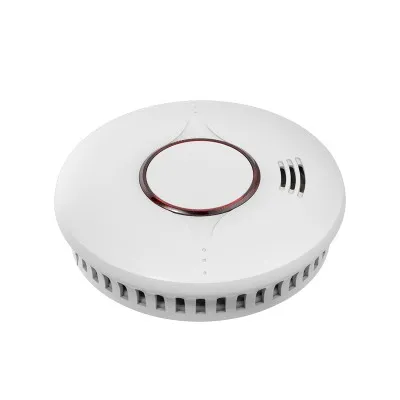
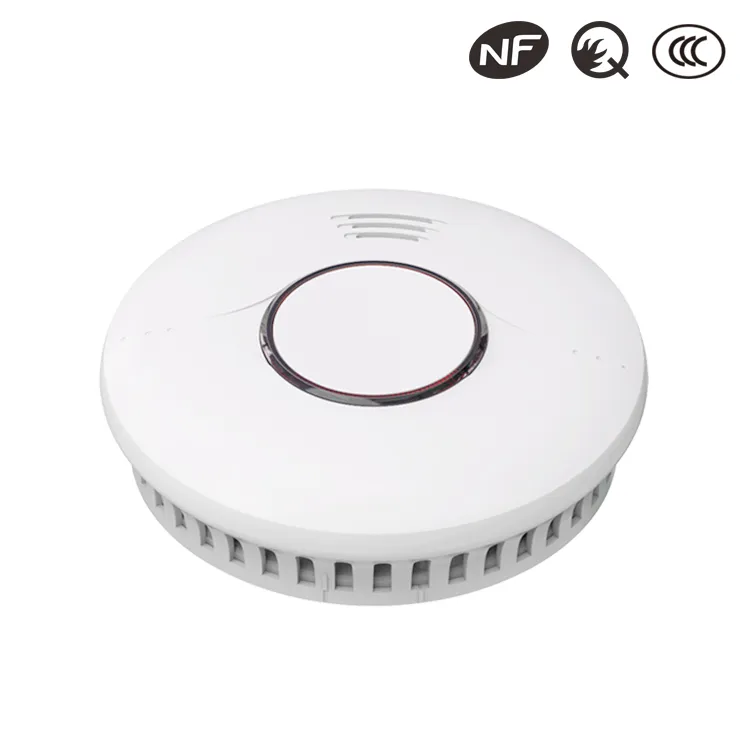
Smoke Detector Intelligent
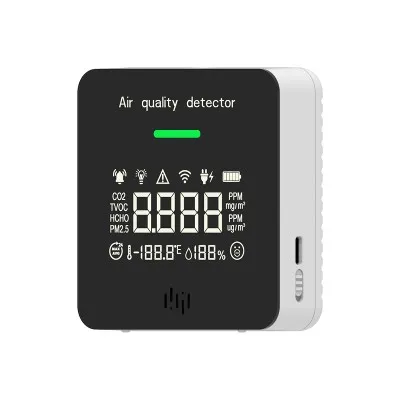
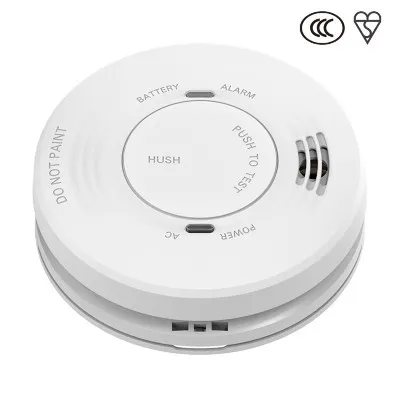
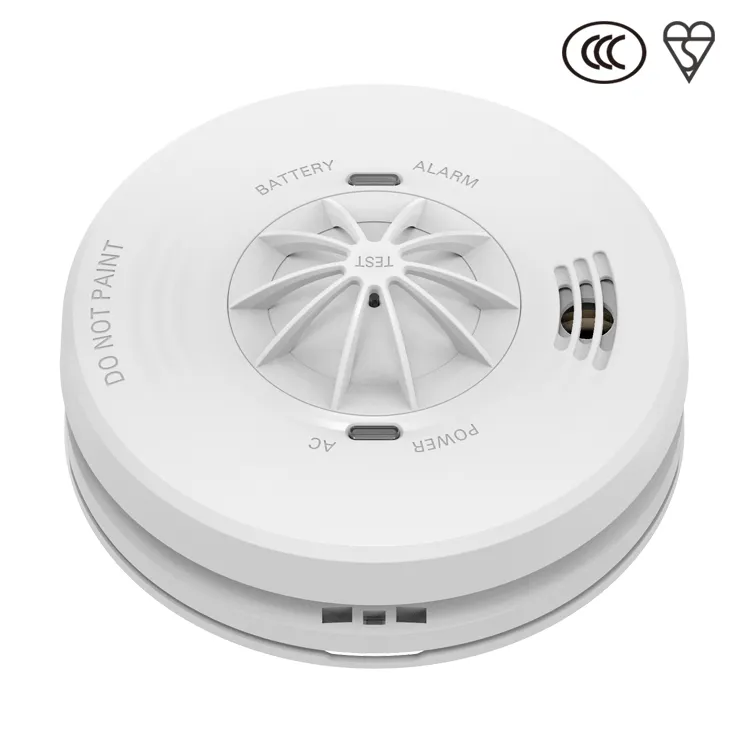
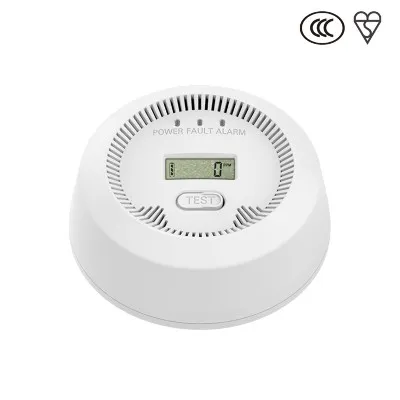
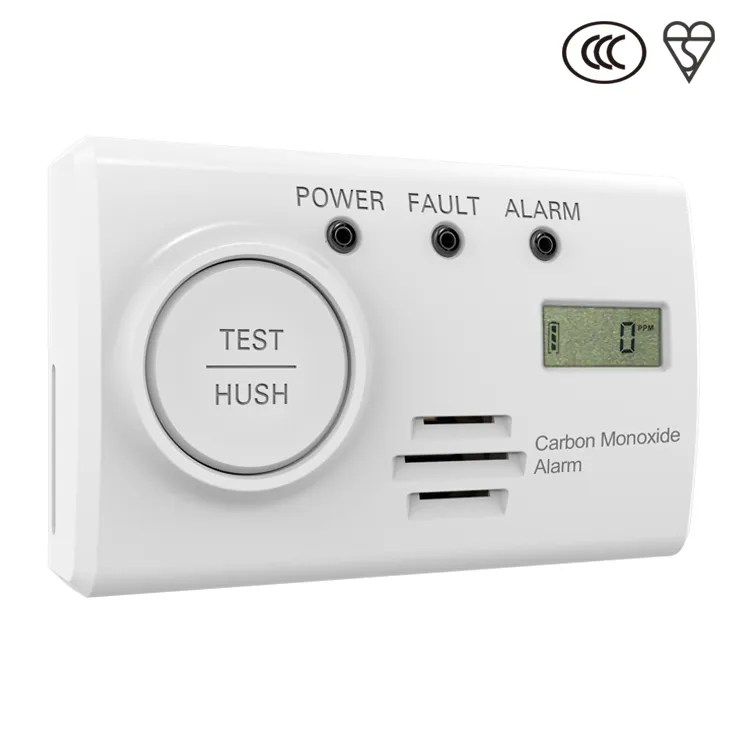
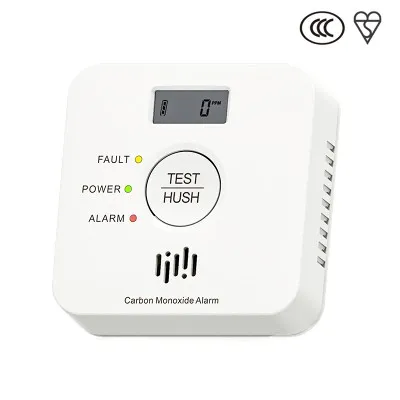
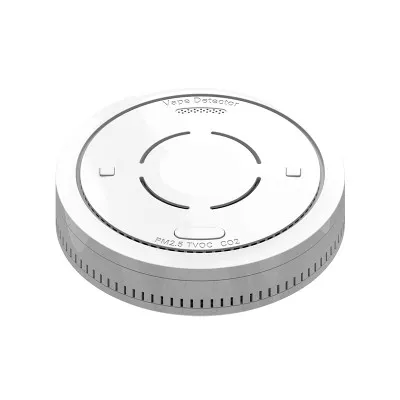
A Smoke Detector Intelligent is a cutting-edge smoke detector that uses advanced technology to detect not only smoke, but also other harmful gases such as carbon monoxide. The device is equipped with smart algorithms that can differentiate between smoke and vapor, preventing false alarms and ensuring you are only alerted if there is a real threat.
Smart smoke detectors can connect to your smartphone or other smart devices. With the help of the app, you can monitor the status of your smoke detectors and receive alerts in real time. Make sure your family and property are protected even when you're not home.

new standard
The new UL standard was originally scheduled to take effect on June 31, 2021, but was pushed back to June 30, 2022, the date when manufacturers must begin producing alarms and detectors that comply with the updated standard. Another important date related to updated standards is January 1, 2022, the day National Fire Protection Association (NFPA) standards begin requiring the listing of smoke alarms or detectors to combat common sources of nuisances in cooking.
Products video
Products detail

alarm volume
Alarm volume is loud and clear, reaching or surpassing 85dB within a 3-meter radius.
time life
Our products have a service life of up to ten years, ensuring long-lasting reliability and peace of mind for our customers.


test button
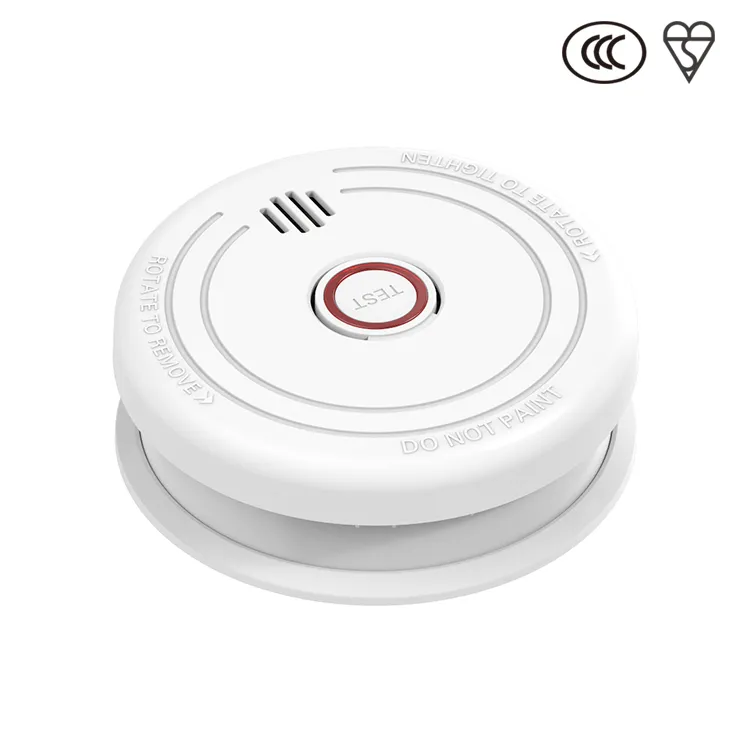
Easily test your alarm weekly with the convenient test button.
Easy Installation
We offer two installation methods: expansion screws or magnetic strips.

Update standards to keep up with construction and furniture trends
Cooking nuisance alarms have been around since smoke alarms and detectors were first installed in homes and offices, and not much has changed since the UL standard was first published in 1976. However, something else has changed: the content of our homes and offices.
Polyurethane foam was originally developed during World War II and is now very common in furniture, flooring, and even appliances. 3 If caught on fire, this oil-based foam will burn faster than wool, cotton and other natural fibers used in furniture and produce large amounts of heat and smoke. Polyurethane foam produces different smoke than other materials.
The new UL standard addresses this discrepancy by requiring smoke alarms and detectors to pass two tests showing that they can effectively sense smoke from a polyurethane foam fire.
our Factory




Certifications

Exhibitions

How to maintain and install smoke alarms
1. Research and choose smoke detectors
If your current detector is more than 10 years old, or your home doesn't have a detector at all, invest in a new one today.
Before purchasing, do some research on the different types of smoke sensor alarms. There are a variety of makes, models, and price points to choose from, so you can choose the detector that best suits your security needs and budget.
2. Purchase detectors for each floor of your home
The layout of your home will determine how many detectors you need, but at least one detector should be installed on each level of the house, at least one inside each bedroom, and at least one outside each sleeping space. When you calculate the amount of equipment you need, don't forget to count the basement and attic as separate floors.
3. Install an alarm in a central location immediately
Install smoke alarms as soon as possible – you don't want to spend any nights without the protection of a detector.
4. Test smoke alarms immediately after installing smoke detectors
After you install a smoke alarm, test the detector with everyone in your home. Press the test button on each device individually to ensure everyone can easily identify the alarm sound. This preliminary test is also a good time to discuss your home evacuation plan as well as routes and external meeting points. The U.S. Fire Administration outlines a variety of exercises that can be added to fire drills so that every member of the family is prepared and has a greater chance of emerging unscathed in the event of a fire.
5. Conduct a power test once a month
Although some smart detectors can test themselves, it's usually a good idea to manually test your detector at least once a month. To test, press the smoke detector's test button to verify that the sensor is operating properly and that the alarm sounds at optimal volume. If you have a fire alarm installed in a hard-to-reach area of your home, take precautions when climbing up to test the alarm. Use a sturdy stepladder (never a chair) and perform these tasks while another family member is home.
6. Replace batteries on non-hardwired detectors once a year
If your detector runs on batteries, don't wait until you find the batteries are dead before replacing them. Instead, set an annual battery replacement date for a special occasion, such as the first day of summer or Memorial Day. Choosing a date that is well known will help you remember the task. When replacing smoke alarm batteries, be sure to refer to the manufacturer's guidelines and follow the instructions.
7. Clean the detector thoroughly at least once a year
Dust and contaminants can affect fire alarm performance, so try to keep the detector as clean as possible. Exterior dust can be easily removed with an occasional gentle wipe with a dry rag, but you'll also need a deeper cleaning every year.
For a thorough cleaning, remove the device from the wall or ceiling, unplug it, and gently remove the case. Carefully remove collected dust using a vacuum attachment, a can of compressed air, or a dry cloth, avoiding the use of liquid sprays or cleaners. Once all the dust is gone, you can reassemble the detector and place it back on the wall or ceiling.
Hot Tags: smoke detector intelligent, China, manufacturers, suppliers, factory, Smart Smoke Alarm WIFI Tuya, Built In Lithium Battery Smoke Alarm, Smart Smoke Detector With Non replaceable Battery


