





Products Description
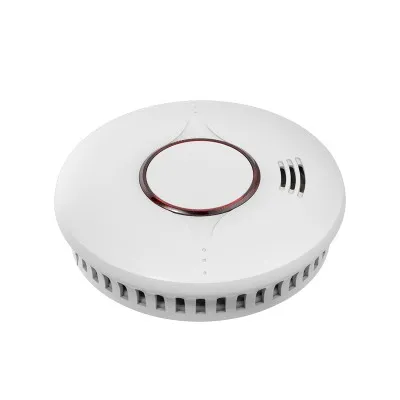
Wirelessly connected smoke alarms use radio frequency technology to detect the presence of a smoke alarm. There are many types of smoke alarms you can purchase to protect your home. For coverage throughout the home, we recommend installing interconnected smoke alarms. This will help avoid purchasing different smoke detectors for different rooms. Therefore, integrated smoke alarms work as an interconnected system rather than independently as we see in standard smoke alarms.

How do wireless smoke alarms work?
As we all know, wireless smoke alarms establish communication through radio frequencies. RF Interconnect Fire Smoke Alarm Detectors all contain built-in radio frequency modules that allow connection between two or more smoke alarms without the need for wiring between them, creating an interconnected audible alarm system. So if a unit is triggered, all interconnected devices will emit a sound to alert you. But it's important to note that all devices should be compatible, so we recommend getting all your alerts from the same manufacturer. If they are incompatible, you will not receive alerts.
The fire detectors in each multipack have independent interconnection networks. Therefore, if you have multiple multipacks, you must add them all to the same interconnected system.
Wireless systems have many advantages over hardwired systems.
1. One-click control of large-scale systems
As connected alarms become more popular, the size of the average home alarm system has also grown. The reason is simple, these features make them easier to control from one location.
Make sure that whichever system you choose, it includes test, mute, and positioning features.
2. Compatibility of radio frequency technology
It also has the advantage of being able to interconnect with disparate devices. Modern fire alarms can be efficiently connected to a variety of equipment, such as sprinkler systems.
A direct connection between a fire alarm system and a sprinkler system can potentially save lives and is a great example of what modern technology has to offer for fire alarms.
Products video
Products detail
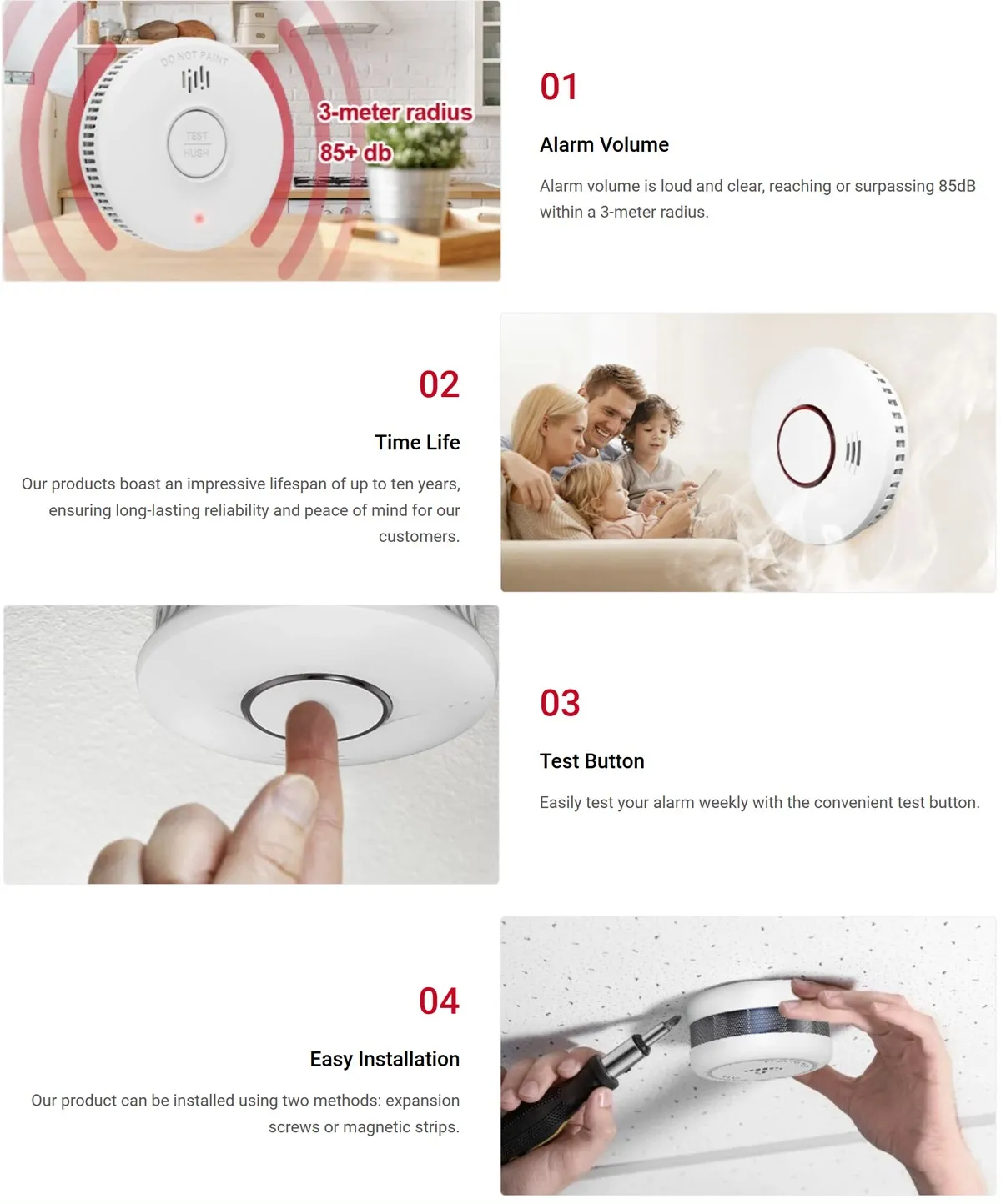
What is a combination smoke and carbon monoxide (CO) alarm?
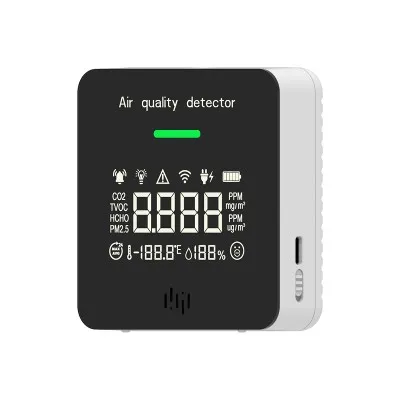
A combination smoke and carbon monoxide alarm is an alarm that has both smoke and carbon monoxide sensors. These alarms may look like smoke alarms and are mounted on the ceiling or on a wall near the ceiling. If your home has a fuel-burning appliance (oil or gas boiler, oil or gas furnace, oil or gas water heater, fireplace, etc.), you will also need a carbon monoxide detector installed in your home.
Advantages of Wirelessly Interconnected Smoke and Carbon Monoxide Detectors
When your alarms are connected, they communicate with each other to create a complete security system for your home. Alarms can be interconnected remotely via wires (design models) or via radio signals (battery-powered models). In either case, if one alarm identifies smoke or carbon monoxide, all interconnected warnings will sound. For example, if a fire breaks out in a cellar, you may not hear a smoke warning immediately. If you use connected alarms, they can sound an alarm immediately when smoke is detected in your home. This makes you aware of dangerous flames more quickly and protects you from harmful rays.
The introduction of this new smoke detector system will help reduce the loss of infrastructure and the many lives lost every year due to fire outbreaks. The system will also reduce the cost and time of installing smoke detectors. However, this new innovation will definitely lead to better results than in the past.
Smoke detector precautions
Here are some important tips to consider when testing alerts:
1. The function of smoke detector:
Consider having a family member present to make it easier to ensure smoke alarms are heard throughout the property.
Maintain your alarm regularly - We recommend cleaning your alarms monthly to ensure they are free of any dirt, dust and debris.
Watch our handy how-to videos for more guidance.
2. Smoke detectors do not have:
Do not use actual smoke or flame to test the alarm. Our technology allows for testing that simulates real smoke.
Avoid climbing on objects to reach any excessively high alarms. If your alarm is out of reach, you might consider installing one of our easy-to-use control switches. Please find an expert installer from our website to discuss this further.
Benefits of interconnected smoke alarms
Let's look at the significant benefits of having connected smoke alarms.
Full Coverage - These alarms help connect all your devices to an integrated system, providing connectivity to your entire home.
Wireless connectivity - RF technology enables you to connect devices without having to go through a network of wires.
Security - The most important benefit is that it provides more protection than a separate fire alarm.
Required for New Homes - Many states now mandate the connection and use of integrated alarms as they offer many advantages.
Best Selling
9V Battery Smoke Alarm
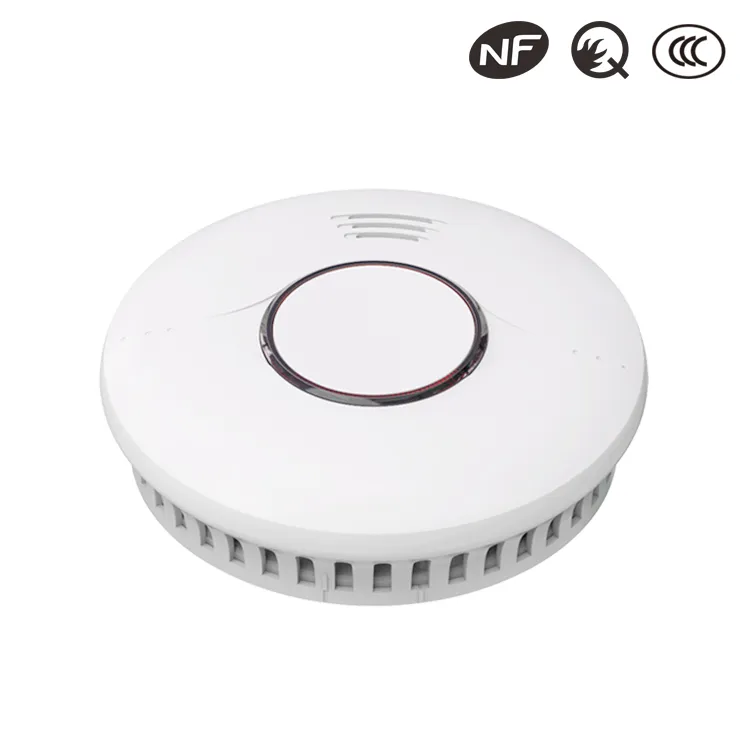
3V Battery Smoke Alarm
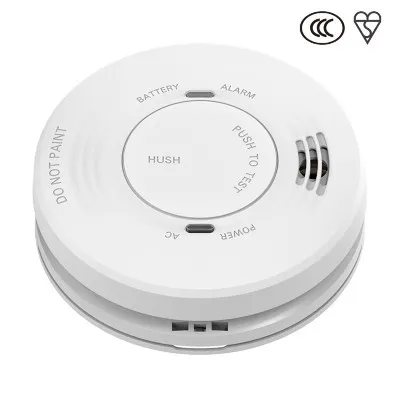
Mains Power Smoke Alarm
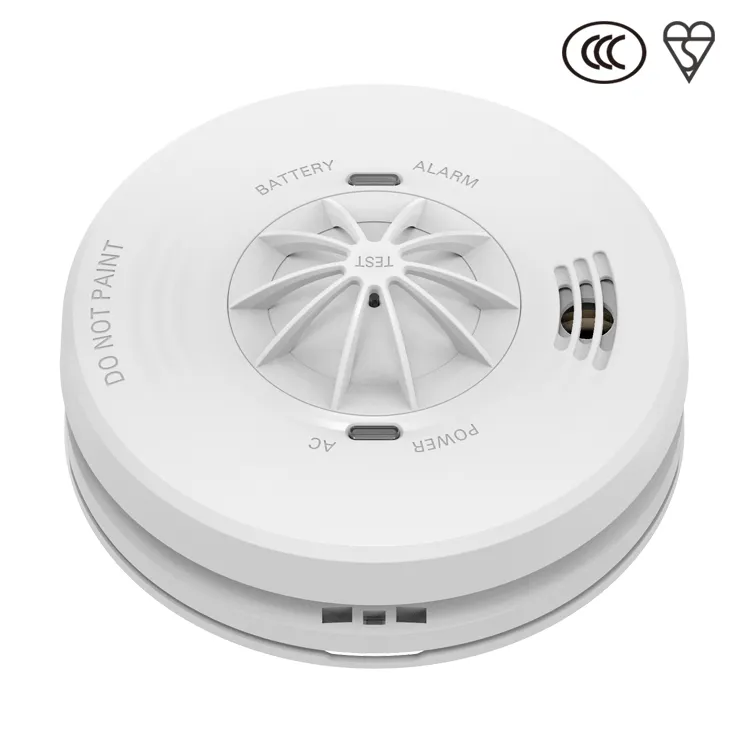
Mains Power Heat Alarm
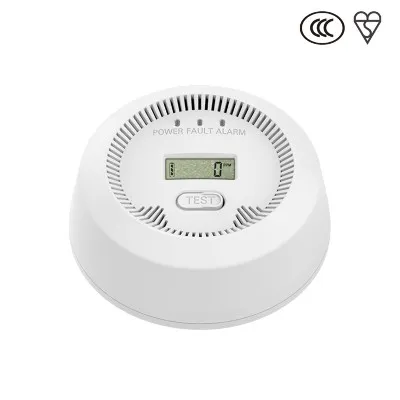
Standalone Carbon Monoxide Alarm
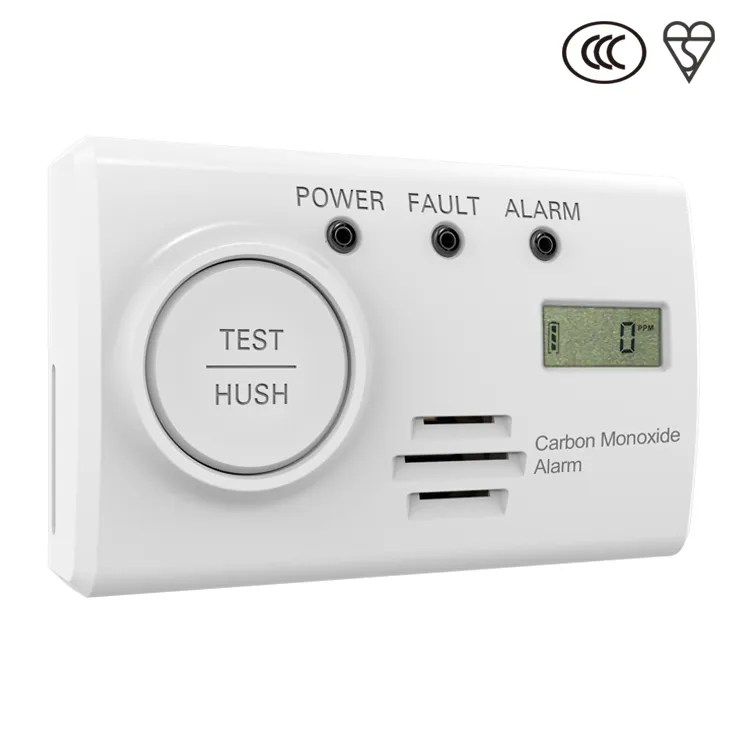
Standalone Carbon Monoxide Alarm
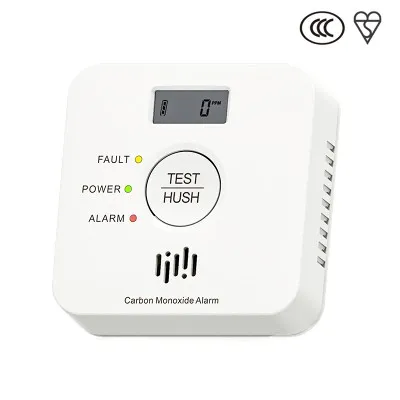
Wireless Carbon Monoxide Alarm
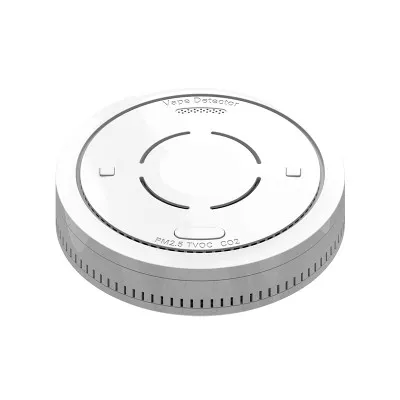
Vaping Detector
Why are wirelessly connected smoke alarms better?
1. Cost-effective installation
Installing wirelessly interconnected smoke alarms typically requires less labor and materials than hardwired systems. This can save costs, especially in buildings where retrofitting or wiring is difficult.
2. Fast, non-disruptive installation
Installing a wireless smoke alarm is usually faster and causes less disruption because it doesn't require a lot of wiring work. This is advantageous for existing structures or buildings where drilling and wiring may be difficult.
3. Continuous monitoring
Some wireless systems provide continuous monitoring and real-time communication between devices. This ensures any issues or faults are quickly identified, helping to create a more reliable security system.
4. Signal range and coverage
Wireless systems can provide excellent signal range and coverage, enabling reliable communications even in larger or more complex building structures.
our Factory




Certifications

Exhibitions

2021
Beijing Exhibition

2022
Hannover Messe in Germany

2023
The 133rd Canton Fair

2023
Spring Hong Kong Exhibition

2023
Autumn Hong Kong Exhibition

2023
London Exhibition

2023
Birmingham Show

2023
Dubai Exhibition
Hot Tags: rf interconnect fire smoke alarm detector, China, manufacturers, suppliers, factory, Nb Iot Wireless Smoke Detector Strobe, 120V Wireless RF Interconnect Smoke Alarm


