

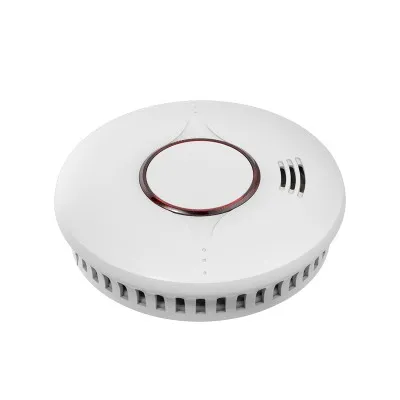




A heat detector with cable is a critical component in fire safety systems, designed to monitor temperature changes and trigger an alarm when a pre - set temperature threshold is reached. As a trusted supplier of heat detectors with cable, I understand the importance of seamless installation for these devices to function effectively. In this blog, I will delve into the essential installation tools required for a heat detector with cable, ensuring that you are well - equipped for a successful installation process.
Screwdriver
A good - quality screwdriver is an absolute must for installing a heat detector with cable. Heat detectors are typically mounted on ceilings or walls using screws. Depending on the mounting bracket and the surface material, you may need different types of screwdrivers. For instance, Phillips - head screwdrivers are commonly used for most standard mounting brackets, while flat - head screwdrivers might be required for certain screw types on older or specialized models. The size of the screwdriver should match the size of the screws precisely to prevent stripping or damaging the screw heads. This tool is fundamental as it ensures the secure attachment of the heat detector to the chosen surface, providing stability and reliability over time.
Wire Strippers
Wire strippers are indispensable when it comes to connecting the cables of the heat detector. The cables need to be properly prepared to establish a good electrical connection. Wire strippers allow you to remove the outer insulation of the cable without damaging the inner conductive wires. This is crucial because a damaged wire can lead to poor electrical conductivity, which may result in malfunctioning of the heat detector. When using wire strippers, make sure to select the appropriate size for the cable you are working with. Different cables have different gauges, and using the wrong size of wire strippers can cause uneven or incomplete stripping.
Electrical Tape
Electrical tape is used to insulate the exposed parts of the wires after they are connected. Once the wires are stripped and connected to the terminals of the heat detector, there is a risk of short - circuits if the exposed conductive parts come into contact with each other or other metal objects. Electrical tape provides a layer of insulation that prevents such short - circuits and ensures the safety and proper functioning of the heat detector. It is important to wrap the electrical tape tightly around the exposed wires, starting from a point where there is still some insulation on the wire and extending over the connection point. This helps to create a secure and reliable insulation barrier.
Voltage Tester
Before starting the installation process, it is essential to ensure that the power supply to the area where you are installing the heat detector is turned off. A voltage tester is used to confirm the absence of electrical current in the wires. This is a safety precaution that protects you from potential electrocution. There are different types of voltage testers available, such as non - contact voltage testers and contact voltage testers. Non - contact voltage testers are convenient as they can detect the presence of voltage without having to make direct contact with the wires. Contact voltage testers, on the other hand, provide a more accurate reading by making direct contact with the wires.
Drill
In some cases, you may need to drill holes in the ceiling or wall to install the mounting bracket for the heat detector. This is especially true if the surface is made of a hard material such as concrete or brick. A drill with the appropriate drill bit is required for this task. The size of the drill bit should match the size of the screws or plugs that will be used for the mounting. When drilling, it is important to use a level to ensure that the holes are straight and the mounting bracket will be installed evenly. This helps to ensure that the heat detector is installed at the correct angle and position for optimal performance.
Ladder
Since heat detectors are often installed on ceilings, a ladder is necessary to reach the installation location safely. The ladder should be of appropriate height and in good condition. It is important to follow safety guidelines when using a ladder, such as placing it on a stable surface, ensuring that it is properly extended, and having someone hold the ladder if necessary. A fall from a ladder can cause serious injuries, so safety should always be a top priority.
Cable Clips and Staples
To keep the cables organized and secure, cable clips and staples are used. They help to prevent the cables from dangling or coming into contact with other objects, which could potentially damage the cables or cause interference with the heat detector's operation. Cable clips are ideal for attaching the cables to walls or ceilings, while staples can be used to secure the cables in place on wooden surfaces. When using cable clips and staples, make sure not to over - tighten them, as this can damage the cables.
Pliers
Pliers can be useful for various tasks during the installation of a heat detector with cable. They can be used to bend or shape wires, grip small components, or tighten nuts and bolts. There are different types of pliers, such as needle - nose pliers, which are ideal for working in tight spaces, and combination pliers, which can be used for a variety of gripping and cutting tasks. Pliers provide extra dexterity and strength when handling wires and small parts, making the installation process more efficient.
Multimeter
A multimeter is a versatile tool that can be used to measure voltage, current, and resistance. During the installation, it can be used to check the continuity of the wires and ensure that the electrical connections are working properly. By measuring the voltage at different points in the circuit, you can determine if there are any issues with the power supply or the wiring. A multimeter is an essential diagnostic tool that can help you troubleshoot problems during and after the installation process.
Conclusion
Installing a heat detector with cable requires a set of specific tools to ensure a safe, secure, and effective installation. As a supplier of heat detectors with cable, I recommend having all these tools on hand before starting the installation process. Additionally, we offer a wide range of heat detectors suitable for different applications, such as Heat Alarm For Kitchen, 240V Heat Detector, Mains Heat Alarm, Linkable Hardwired Heat Detector, and Wireless Heat Alarm.

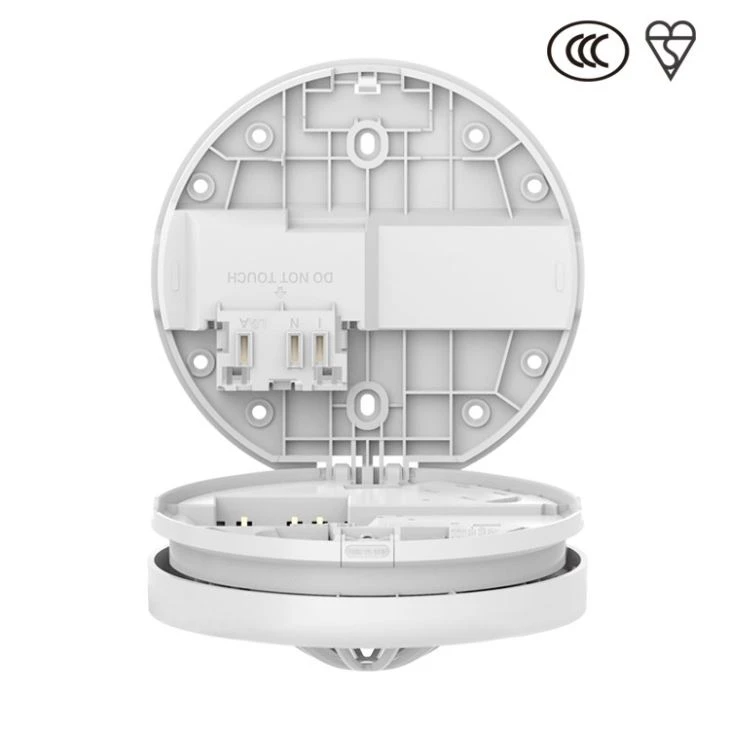
If you are interested in purchasing our heat detectors or have any questions regarding installation or other related matters, please feel free to contact us for procurement discussions. We are committed to providing high - quality products and professional support to meet your fire safety needs.
References
- “Fire Protection Handbook”. National Fire Protection Association.
- “Electrical Installation Guide”. Institution of Engineering and Technology.


