





Temperature accuracy is a crucial factor when it comes to smart heat detectors. As a supplier of smart heat detectors, we understand the significance of this parameter in ensuring the reliable performance of these devices. In this blog post, we will delve into the concept of temperature accuracy in smart heat detectors, exploring what it means, why it matters, and how we ensure high - precision in our products.
What is Temperature Accuracy in a Smart Heat Detector?
Temperature accuracy refers to the degree of closeness between the temperature reading provided by the smart heat detector and the actual temperature in the environment. It is typically expressed as a tolerance range, such as ±X°C or ±X°F. For example, if a smart heat detector has a temperature accuracy of ±1°C, and the actual temperature in the room is 25°C, the detector's reading should fall within the range of 24°C to 26°C.
This accuracy is determined by several factors, including the quality of the temperature sensor used in the detector, the calibration process, and the environmental conditions in which the detector operates. High - quality sensors are more likely to provide accurate readings, as they are designed to be sensitive to temperature changes and have a low margin of error.
Why Temperature Accuracy Matters
The importance of temperature accuracy in smart heat detectors cannot be overstated. In many applications, such as fire detection and environmental monitoring, accurate temperature readings are essential for making informed decisions.
In fire detection scenarios, a smart heat detector with high temperature accuracy can quickly and reliably detect an increase in temperature, which may indicate the presence of a fire. If the detector's temperature readings are inaccurate, it could lead to false alarms or, even worse, a failure to detect a real fire. False alarms can be costly and disruptive, while a missed fire can have catastrophic consequences.
In environmental monitoring, accurate temperature readings are necessary for maintaining optimal conditions in various settings, such as industrial facilities, data centers, and greenhouses. For instance, in a data center, overheating can cause servers to malfunction, leading to data loss and downtime. A smart heat detector with precise temperature accuracy can help prevent such issues by providing timely alerts when the temperature exceeds the acceptable range.
Factors Affecting Temperature Accuracy
Sensor Quality
The temperature sensor is the heart of a smart heat detector. Different types of sensors, such as thermistors, thermocouples, and resistance temperature detectors (RTDs), have varying levels of accuracy and sensitivity. Thermistors are commonly used in smart heat detectors due to their low cost and high sensitivity, but they may have a relatively wide tolerance range. RTDs, on the other hand, are known for their high accuracy and stability, but they are more expensive.
As a supplier, we carefully select the sensors for our smart heat detectors based on the specific requirements of the application. We use high - quality sensors that are calibrated to provide accurate readings within a narrow tolerance range.
Calibration
Calibration is the process of adjusting a smart heat detector to ensure that its temperature readings are accurate. During calibration, the detector is compared to a known temperature standard, and any discrepancies are corrected. Regular calibration is necessary to maintain the accuracy of the detector over time, as sensors can drift due to factors such as aging and environmental exposure.
We perform thorough calibration procedures on all our smart heat detectors before they leave the factory. Our calibration process adheres to strict industry standards, ensuring that our detectors provide accurate temperature readings in a wide range of conditions.
Environmental Conditions
The environment in which a smart heat detector operates can also affect its temperature accuracy. Factors such as humidity, air flow, and electromagnetic interference can all introduce errors in the temperature readings. For example, high humidity can cause condensation on the sensor, which can affect its performance. Air flow can create temperature gradients around the detector, leading to inaccurate readings.
To mitigate the impact of environmental conditions, our smart heat detectors are designed with advanced features, such as humidity compensation and anti - interference shielding. These features help ensure that the detectors provide accurate temperature readings even in challenging environments.
Our Smart Heat Detector Range
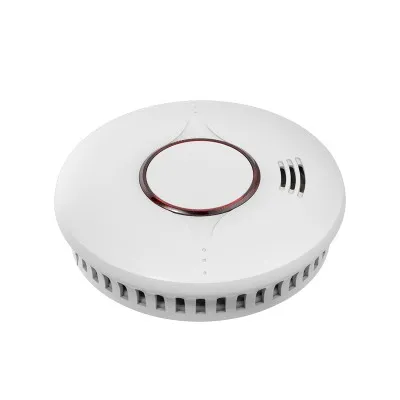
We offer a wide range of smart heat detectors to meet the diverse needs of our customers. Our product line includes Mains Power Heat Detector With Battery, Hard Wired Heat Alarms, and Wireless Heat Detector.


Our mains power heat detectors with battery backup provide reliable operation even in the event of a power outage. They are equipped with high - quality sensors and advanced calibration technology to ensure accurate temperature readings.
The hard - wired heat alarms are designed for permanent installation in commercial and industrial settings. They offer a high level of accuracy and are suitable for applications where continuous monitoring is required.
Our wireless heat detectors provide flexibility and ease of installation. They can be easily integrated into existing security systems and are ideal for retrofit applications.
Ensuring High Temperature Accuracy in Our Products
We are committed to providing our customers with smart heat detectors that offer the highest level of temperature accuracy. To achieve this, we follow a rigorous quality control process throughout the manufacturing process.
First, we source the highest - quality components, including temperature sensors, from trusted suppliers. Our sensors are carefully tested to ensure that they meet our strict quality standards.
During the manufacturing process, we use advanced calibration equipment to calibrate each detector to a high level of accuracy. Our calibration procedures are traceable to national and international standards, ensuring the reliability of our products.
We also conduct extensive testing on our smart heat detectors in various environmental conditions to ensure that they perform well in real - world applications. This includes testing for temperature accuracy, humidity resistance, and electromagnetic compatibility.
Contact Us for Your Smart Heat Detector Needs
If you are looking for a reliable smart heat detector with high temperature accuracy, we are here to help. Our team of experts can provide you with detailed information about our products and help you choose the right solution for your specific requirements.
Whether you need a detector for fire detection, environmental monitoring, or any other application, we have the expertise and products to meet your needs. Contact us today to start a discussion about your smart heat detector requirements and explore how our products can benefit your business.
References
- "Fire Detection and Alarm Systems Handbook" by John D. Custer
- "Temperature Measurement" by John P. Schooley
- Industry standards and guidelines related to smart heat detectors


