

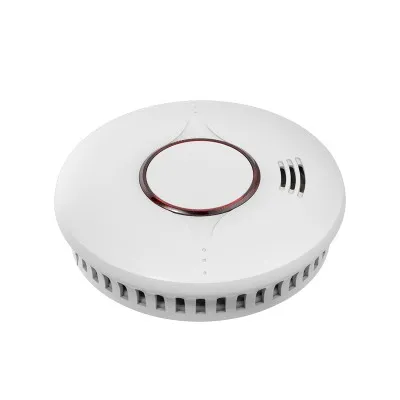




Carbon monoxide (CO) is an odorless, colorless, and tasteless gas that can be extremely dangerous to human health. Even at low levels, prolonged exposure to carbon monoxide can cause headaches, dizziness, nausea, and fatigue. At high levels, it can lead to unconsciousness, brain damage, and even death. Given its stealthy nature, having a reliable carbon monoxide detector is crucial for every household and workplace. As a carbon monoxide detector supplier, I often get asked, "How quickly does a carbon monoxide detector alert when there is a high level of carbon monoxide?"
Understanding the Mechanisms of Carbon Monoxide Detectors
Before delving into response times, it's essential to understand how carbon monoxide detectors work. There are primarily two types of sensors commonly used in CO detectors: biomimetic sensors and electrochemical sensors.
Biomimetic sensors contain a gel that changes color when exposed to carbon monoxide. The detector measures the change in the gel's color and triggers an alarm when the CO concentration reaches a certain level. These sensors are relatively inexpensive and have a long lifespan.
On the other hand, electrochemical sensors are more sensitive and accurate. They work by producing an electric current when carbon monoxide molecules react with a chemical inside the sensor. The strength of the current is proportional to the concentration of carbon monoxide in the air. Electrochemical sensors are commonly found in higher-end Carbon Monoxide Gas Detector.
Factors Affecting the Response Time of Carbon Monoxide Detectors
The response time of a carbon monoxide detector is influenced by several factors, including the type of sensor, the concentration of carbon monoxide in the air, and the location of the detector.
Type of Sensor
As mentioned earlier, electrochemical sensors are generally faster and more sensitive than biomimetic sensors. They can detect lower levels of carbon monoxide and provide a quicker response. In high-concentration scenarios, an electrochemical sensor may trigger an alarm within minutes, while a biomimetic sensor might take a bit longer.
Concentration of Carbon Monoxide
The higher the concentration of carbon monoxide in the air, the faster the detector will alert. Most detectors are designed to follow the standards set by organizations such as the Underwriters Laboratories (UL). According to UL 2034 standards, a carbon monoxide detector should alarm within 90 minutes when exposed to 70 parts per million (ppm) of CO, within 35 minutes at 150 ppm, and within 15 minutes at 400 ppm.
Let's take a more in-depth look at these numbers. At 70 ppm, a concentration that can cause mild headaches and nausea after several hours of exposure, the detector still has a relatively long response time. This is because at this level, the health effects are not immediate, but prolonged exposure can be harmful. As the concentration increases to 150 ppm, which can lead to more severe symptoms like dizziness and confusion, the detector is required to respond within 35 minutes. At a dangerous 400 ppm, where unconsciousness and death can occur within a couple of hours, the detector must alarm within 15 minutes.
Location of the Detector
The placement of the carbon monoxide detector also plays a significant role in its response time. Carbon monoxide is slightly lighter than air and can spread quickly throughout a room. However, for optimal performance, detectors should be installed near sleeping areas and on every level of the home or building. Placing a detector too far from the source of carbon monoxide or in an area with poor air circulation can delay the alarm.
Real-World Scenarios and Response Times
In real-world situations, the response time of a carbon monoxide detector can vary depending on the source of the CO. For example, a malfunctioning gas furnace can produce a steady stream of carbon monoxide. If the detector is installed nearby and the concentration of CO reaches a dangerous level, it may trigger an alarm within a few minutes.
On the other hand, a small, smoldering fire in a hidden area may produce lower levels of carbon monoxide over a more extended period. In this case, the detector may take longer to reach the alarm threshold. However, it's important to note that even a slow - rising concentration of CO can be dangerous, and a good quality detector will eventually alert the occupants.
The Importance of High - Quality Detectors
As a supplier, I always emphasize the importance of choosing a high - quality carbon monoxide detector. Top Rated Carbon Monoxide Detector not only have faster response times but also provide accurate readings. They are often equipped with additional features such as digital displays that show the current CO concentration, test buttons to ensure proper functionality, and low - battery indicators.
A reliable detector can provide peace of mind, knowing that you and your family are protected from the silent threat of carbon monoxide. High - end detectors are also more likely to be compliant with industry standards, which means they have undergone rigorous testing to ensure their performance in real - world situations.
The Role of LCD Display in Carbon Monoxide Detectors
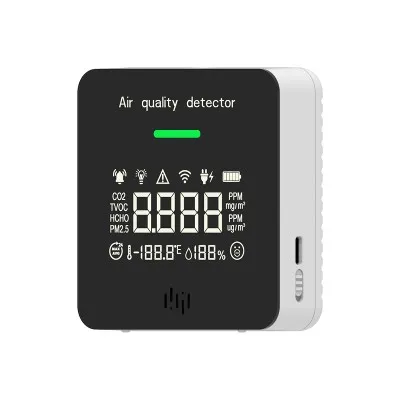
Many modern carbon monoxide detectors come with an LCD display, like the Carbon Monoxide Sensor With LCD Display. This feature allows users to easily monitor the current carbon monoxide levels in the air. It provides real - time information, which can be valuable in assessing the severity of the situation.
For example, if the display shows a low but steadily increasing CO level, it may indicate a minor problem that needs to be addressed before it becomes a major threat. On the other hand, a sudden spike in the reading can signal an immediate danger, prompting the occupants to evacuate the premises and seek help.
Choosing the Right Carbon Monoxide Detector
When choosing a carbon monoxide detector, it's important to consider your specific needs. If you have a large home or a complex ventilation system, you may need multiple detectors to ensure comprehensive coverage. Look for detectors with a proven track record of reliability and fast response times.
It's also a good idea to choose a detector with additional safety features, such as a long - life battery or a backup power source. This ensures that the detector will continue to function even during a power outage, which can be a common cause of carbon monoxide leaks if generators are used incorrectly.
Encouraging Contact for Procurement
If you're in the market for high - quality carbon monoxide detectors, we can offer a wide range of products to meet your needs. Our detectors are designed with the latest technology to provide fast and accurate alerts. Whether you're a homeowner looking to protect your family or a business owner responsible for the safety of your employees and customers, we have the solutions you need.
Contact us to discuss your requirements and explore our product range. We're committed to providing the best carbon monoxide detection solutions to keep you safe from this invisible threat.


References
- Underwriters Laboratories. UL 2034 Standard for Single and Multiple - Station Carbon Monoxide Alarms.
- Centers for Disease Control and Prevention (CDC). Carbon Monoxide Poisoning.
- National Fire Protection Association (NFPA). NFPA 72 National Fire Alarm and Signaling Code.


