

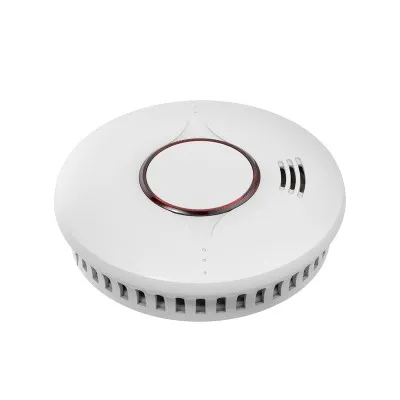




When it comes to fire safety, heat detectors with cables play a crucial role in providing early warnings. As a supplier of heat detectors with cable, I understand the importance of proper installation to ensure their effectiveness. In this blog, we will explore the installation location limitations for a heat detector with cable, providing valuable insights for both professionals and homeowners.
Understanding Heat Detectors with Cable
Before delving into the installation location limitations, let's briefly understand what a heat detector with cable is. A heat detector with cable is a device that senses changes in temperature and triggers an alarm when a pre - set temperature threshold is reached. The cable is an essential component as it allows for a more extensive area of detection, making it suitable for large spaces or areas with unique shapes.
General Installation Considerations
Avoiding Areas with High - Temperature Fluctuations
Heat detectors with cable should not be installed in areas where there are frequent and extreme temperature fluctuations. For example, near industrial ovens, furnaces, or in direct sunlight. These areas can cause false alarms as the detector may misinterpret normal temperature variations as a fire. In industrial settings, it is important to place the detector at a safe distance from heat - generating equipment. If a heat detector is installed too close to a large industrial heater, the constant high - temperature environment can lead to false alarms, rendering the detector ineffective for its intended purpose.
Keeping Away from Ventilation Systems
Ventilation systems can also pose challenges for heat detector installation. Airflow from ventilation ducts can disperse heat, preventing the detector from accurately sensing a fire. The detector should be installed at least 3 feet away from supply and return vents. In a commercial building, if a heat detector is placed too close to a ventilation duct, the airflow can carry the heat away from the detector, delaying the alarm and potentially putting the building at risk.
Avoiding Areas with High Humidity
High - humidity areas can also affect the performance of heat detectors with cable. Moisture can cause corrosion of the cable and the detector components, leading to malfunctions. Areas such as bathrooms, kitchens, and basements with poor ventilation should be avoided. For instance, in a bathroom with a steam shower, the high humidity can cause the detector to malfunction over time, reducing its reliability.
Specific Installation Location Limitations
Ceiling Installation
Ceiling installation is a common method for heat detectors with cable. However, there are limitations. The detector should be installed at least 4 inches from the wall to ensure proper air circulation around the detector. This allows the detector to sense heat effectively. In a large warehouse with a high ceiling, if the detector is installed too close to the wall, the heat may not reach the detector evenly, leading to a delayed alarm.
Wall Installation
When installing the heat detector on a wall, it should be placed at a height of 4 - 6 feet above the floor. This height is optimal for detecting heat as heat rises and is likely to be detected at this level. In a residential setting, if the heat detector is installed too low on the wall, it may not detect the rising heat from a fire in a timely manner.
Outdoor Installation
Outdoor installation of heat detectors with cable requires special considerations. The detector should be protected from the elements, such as rain, snow, and direct sunlight. A weather - proof housing should be used to ensure the detector's longevity. Additionally, outdoor detectors should be installed away from areas where there are frequent temperature changes due to weather conditions. For example, near a large body of water where the temperature can fluctuate significantly.
Impact of Building Structure on Installation
Open - Plan Spaces
In open - plan spaces, such as warehouses or large offices, the heat detector with cable can be installed in a grid pattern to ensure comprehensive coverage. However, the distance between detectors should be carefully calculated based on the detector's specifications. If the detectors are placed too far apart, there may be areas where a fire could go undetected.
Compartmentalized Spaces
In compartmentalized spaces, such as individual offices or rooms, each space should have its own heat detector. This ensures that a fire in one room can be detected independently. For example, in an office building, each office should have a heat detector to prevent the spread of fire to other areas.


Importance of Complying with Standards
It is essential to comply with national and local fire safety standards when installing heat detectors with cable. These standards are designed to ensure the safety of the building and its occupants. For example, in the United States, the National Fire Protection Association (NFPA) provides guidelines on the installation of fire detection systems. Non - compliance can not only put lives at risk but also result in legal consequences.
Conclusion
In conclusion, understanding the installation location limitations for a heat detector with cable is crucial for its proper functioning. By avoiding areas with high - temperature fluctuations, ventilation systems, and high humidity, and by following the specific installation guidelines for ceiling, wall, and outdoor installation, we can ensure that the heat detector provides reliable fire detection. As a supplier of heat detectors with cable, we are committed to providing high - quality products and assisting our customers in proper installation.
If you are interested in purchasing our heat detectors with cable, or if you have any questions regarding installation or other aspects, please feel free to reach out to us for further discussions. We are here to help you make the right choice for your fire safety needs.
References
- National Fire Protection Association (NFPA) standards on fire detection systems.
- Manufacturer's installation manuals for heat detectors with cable.


