

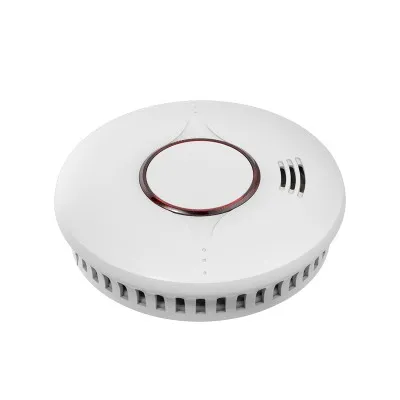


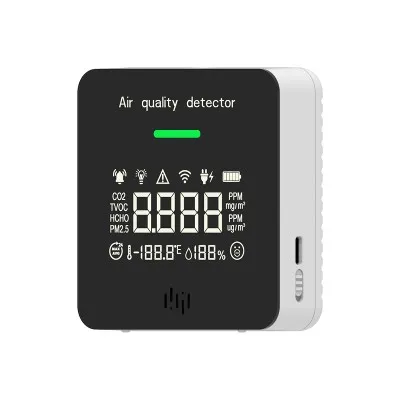


Hey there! As a supplier of Hardwired Heat Detectors, I get a ton of questions about whether these devices can be integrated with smart home systems. So, let's dive right into it and figure out if a hardwired heat detector can become a part of that fancy smart home setup you've got in mind.
Understanding Hardwired Heat Detectors
First off, let's talk a bit about what hardwired heat detectors are. A Wired Heat Detector is a type of heat - sensing device that's directly connected to your home's electrical system. This means it relies on a continuous power supply from your mains, and sometimes has a backup battery just in case the electricity goes out.
These detectors work by monitoring the ambient temperature in a given area. When the temperature rises above a pre - set threshold, they trigger an alarm. They're super reliable because they're constantly powered, and they're often used in commercial buildings as well as homes, especially in areas where a high level of fire safety is required.
Smart Home Systems: What Are They?
Smart home systems have become a huge thing in recent years. They're basically a collection of devices that can be controlled remotely through a smartphone app, a voice - controlled assistant like Amazon Alexa or Google Assistant, or a central hub. These systems can manage everything from your lights and thermostats to your security cameras.
The cool thing about smart home systems is the convenience and the ability to monitor your home from anywhere in the world. You can turn off the lights you forgot to switch off before leaving home or see what's going on inside your house while you're on vacation.
Can They Work Together?
Now, the big question: Can a hardwired heat detector be integrated with smart home systems? The short answer is yes, in many cases. But it's not always straightforward.
Compatibility Considerations
One of the main challenges is compatibility. Different smart home systems use different communication protocols. Some use ZigBee, others use Z - Wave, and then there are also Wi - Fi - enabled devices. Your hardwired heat detector needs to support the same protocol as your smart home system to be able to communicate with it.
For example, if your smart home hub uses ZigBee and your hardwired heat detector is designed to work with a different protocol, you'll need some kind of bridge device to translate the signals.
Available Options
There are heat detectors on the market that are specifically designed to be smart - home friendly. These detectors often come with built - in wireless connectivity, allowing them to integrate seamlessly with popular smart home platforms.
If you're thinking about getting a wireless option, you might want to check out the Wireless Heat Alarm. It's designed to be easy to connect to your smart home system and can send alerts directly to your phone when a heat event is detected.
Benefits of Integration
If you manage to integrate your hardwired heat detector with your smart home system, there are some awesome benefits. First of all, you'll get real - time notifications on your phone. So, even if you're not at home, you'll know right away if there's a potential fire hazard.
Secondly, you can set up automations. For example, you can program your smart home system to turn on all the lights and unlock the doors if the heat detector goes off. This can be a huge help in an emergency situation, as it can make it easier for you and any other occupants to evacuate the building.
Factors to Consider When Integrating
Installation
Integrating a hardwired heat detector with a smart home system can be a bit of a DIY project, but it's not for everyone. If you're not comfortable working with electrical wiring, it's best to hire a professional electrician.
The installation process might involve connecting the heat detector to the smart home hub and setting up the communication between the two devices. It's also important to make sure that the installation meets all local electrical and safety codes.
Cost
There's also the cost to consider. In addition to the price of the hardwired heat detector itself, you might need to buy a compatible smart home hub if you don't already have one. And if you need a bridge device to connect the detector to your system, that's an extra expense.
However, if you think about the long - term benefits in terms of safety and convenience, the cost might be well worth it.
Maintenance
Once you've got everything set up, you need to think about maintenance. Hardwired heat detectors usually have a long lifespan, but they still need to be tested regularly. With a smart home - integrated detector, you might be able to get alerts when it's time for maintenance or if the device malfunctions.
Different Types of Hardwired Heat Detectors and Smart Home Integration
240V Heat Alarm
The 240V heat alarm is a common type of hardwired heat detector. These alarms are directly connected to the 240V mains supply. Integrating them with a smart home system might require a bit more work compared to some wireless options, but it's definitely doable. You'll likely need a smart relay or a module that can translate the electrical signals from the heat alarm into a format that the smart home system can understand.
BSI Wireless Heat Alarm
The BSI wireless heat alarm is designed to be more easily integrated with smart home systems. It uses wireless technology to communicate with other devices, which means you can connect it to your smart home hub without having to deal with a lot of wiring. This type of alarm can be a great option if you're looking for a hassle - free integration.


Wired Heat Alarm
A wired heat alarm, similar to the 240V heat alarm, is connected to your home's electrical system. Integrating it with a smart home system will depend on the specific model and the smart home platform you're using. Some wired heat alarms can be retrofitted with a smart module to enable communication with the smart home system.
Making the Decision
So, if you're thinking about integrating a hardwired heat detector with your smart home system, there are a few things you need to ask yourself. Do you have the technical skills to install and set up the integration? If not, are you willing to pay a professional to do it? What's your budget? And how much value do you place on the real - time notifications and automations that come with a smart - integrated heat detector?
Why Choose Our Hardwired Heat Detectors
We're a leading supplier of hardwired heat detectors. Our products are designed with quality and reliability in mind. We have a range of models that are either already smart - home compatible or can be made compatible with the right accessories.
Whether you're a homeowner looking to upgrade your home's fire safety or a business owner in need of a reliable heat detection system, we've got you covered. Our team of experts is always ready to help you find the right solution for your specific needs.
Contact Us for More Information
If you're interested in learning more about our hardwired heat detectors and how they can be integrated with your smart home system, don't hesitate to reach out. We can provide you with detailed product information, answer your questions, and even help you with the integration process if needed.
References
- "Fire Safety Handbook" - A comprehensive guide on fire safety devices and systems.
- Manufacturer's manuals for hardwired heat detectors and smart home hubs.


