

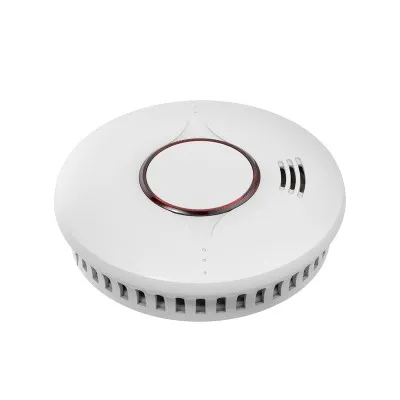


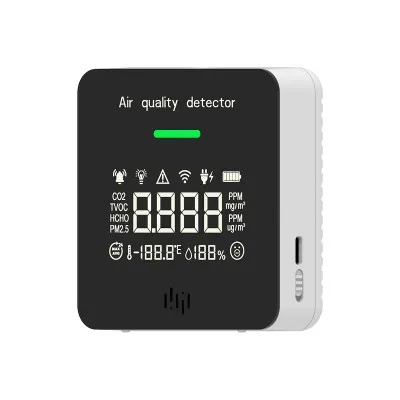


When it comes to ensuring safety in various environments, the reliability of data collected by a Portable Heat Detector is of utmost importance. As a supplier of Portable Heat Detectors, I understand the critical role these devices play in detecting potential fire hazards and providing early warnings. In this blog post, I will delve into the factors that contribute to the reliability of the data collected by these detectors and why they are a valuable addition to any safety protocol.
How Portable Heat Detectors Work
Portable Heat Detectors are designed to monitor the temperature in a given area. They are equipped with sensors that can detect changes in heat levels. When the temperature exceeds a pre - set threshold, the detector is triggered, and an alarm is sounded. These detectors are often used in situations where a fixed, mains - powered heat detector may not be practical, such as in temporary work sites, mobile structures, or areas where electrical wiring is not readily available.


Factors Affecting the Reliability of Data
Sensor Quality
The quality of the sensor is a fundamental factor in determining the reliability of the data collected by a Portable Heat Detector. High - quality sensors are more accurate in detecting temperature changes. They have a wider range of sensitivity and can provide more precise readings. For example, a well - calibrated sensor can accurately detect small increases in temperature, which may indicate the early stages of a fire. On the other hand, a low - quality sensor may give false readings or fail to detect a significant temperature change, leading to a delay in the alarm.
Environmental Conditions
The environment in which the Portable Heat Detector is used can also impact the reliability of the data. Extreme temperatures, humidity, and dust can all affect the performance of the detector. In very cold environments, the sensor may become less sensitive, while in hot and humid conditions, the detector may be more prone to false alarms. Additionally, dust and debris can accumulate on the sensor, interfering with its ability to accurately detect temperature changes. To mitigate these issues, it is important to choose a Portable Heat Detector that is designed to withstand the specific environmental conditions of the intended use.
Battery Life
Portable Heat Detectors are typically battery - operated. The battery life is crucial for the continuous operation of the detector and the reliability of the data it collects. A detector with a short battery life may stop working before it can detect a potential fire hazard, leading to a significant safety risk. It is important to choose a detector with a long - lasting battery and to regularly check and replace the batteries to ensure optimal performance.
Calibration
Regular calibration is essential for maintaining the accuracy of the data collected by a Portable Heat Detector. Over time, the sensor may drift, leading to inaccurate temperature readings. Calibration ensures that the detector is providing reliable data. It is recommended to calibrate the detector at regular intervals, as specified by the manufacturer.
Comparing Portable Heat Detectors with Other Types of Heat Detectors
Mains Heat Detector
A Mains Heat Detector is a fixed - installed device that is powered by the electrical mains. These detectors are often used in permanent structures such as buildings and factories. While they offer a high level of reliability due to their continuous power supply, they lack the portability of a Portable Heat Detector. Portable Heat Detectors, on the other hand, can be easily moved from one location to another, making them suitable for a variety of applications.
Battery Operated Heat Alarm
A Battery Operated Heat Alarm is similar to a Portable Heat Detector in that it is battery - powered. However, a heat alarm is typically a simpler device that is mainly designed to sound an alarm when a certain temperature threshold is reached. A Portable Heat Detector, on the other hand, can provide more detailed data about the temperature changes in the area, which can be useful for further analysis and decision - making.
Real - World Applications and Case Studies
In many industries, Portable Heat Detectors have proven to be reliable tools for detecting potential fire hazards. For example, in the construction industry, where work sites are often temporary and constantly changing, Portable Heat Detectors can be easily moved to different areas to monitor for heat sources. In the event of a fire, these detectors can provide early warnings, allowing workers to evacuate safely and minimizing the damage to the property.
Another example is in the transportation industry. Portable Heat Detectors can be used in vehicles, such as trucks and trains, to monitor the temperature of critical components. This can help prevent overheating and potential fires, ensuring the safety of the vehicle and its passengers.
The Importance of Regular Maintenance
Regular maintenance is key to ensuring the reliability of a Portable Heat Detector. This includes cleaning the detector to remove dust and debris, checking the battery life, and performing regular calibration. By following the manufacturer's maintenance guidelines, you can ensure that the detector is functioning properly and providing accurate data.
Conclusion
The reliability of the data collected by a Portable Heat Detector depends on several factors, including sensor quality, environmental conditions, battery life, and calibration. While there are some challenges associated with using these detectors, such as environmental interference and battery management, they offer a high level of portability and flexibility that makes them a valuable tool for many applications.
If you are in the market for a reliable Portable Heat Detector, we are here to help. Our Portable Heat Detectors are designed with high - quality sensors, long - lasting batteries, and are built to withstand a variety of environmental conditions. We are committed to providing our customers with the best products and services to ensure their safety. If you are interested in learning more about our Portable Heat Detectors or would like to discuss your specific needs, please feel free to reach out to us for a purchase negotiation.
References
- National Fire Protection Association. (2020). NFPA 72: National Fire Alarm and Signaling Code.
- International Electrotechnical Commission. (2019). IEC 62304: Medical device software - Software life cycle processes.
- Manufacturer's manuals for Portable Heat Detectors.


