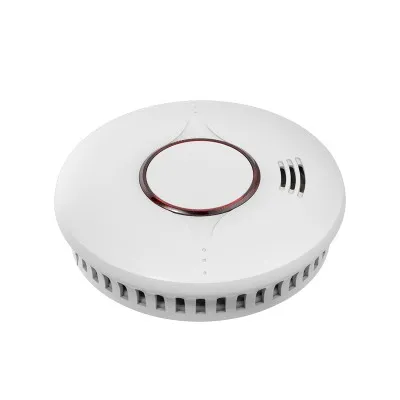




A thermal detector is a device used to detect fires. It triggers an alarm by sensing temperature changes. However, during use, thermal detectors may experience various failures. The following will combine the search results to analyze the common causes of thermal detector failure in detail.
1. Poor contact
Poor contact is one of the common causes of thermal detector failure. Due to factors such as metal oxidation and dust accumulation at the line connection, poor contact may occur, which in turn affects the normal operation of the detector. In order to reduce the occurrence of this situation, it is necessary to regularly check the equipment connection to ensure reliable contact.
2. Poor heat dissipation
Poor heat dissipation of electrical equipment is also an important cause of thermal detector failure. Poor heat dissipation can cause the internal temperature of the equipment to be too high, thereby affecting the normal operation of the equipment. Therefore, it is necessary to strengthen the heat dissipation of the equipment, ensure good air circulation around the equipment, and avoid overheating of the equipment.
3. Internal failure
The internal failure of the thermal detector mainly includes circuit failure, deterioration of the insulating medium and other problems. These problems may cause the equipment to fail to work properly or even cause safety accidents. In order to prevent internal failures, it is necessary to conduct preventive tests on the equipment regularly to detect and deal with potential problems in a timely manner.
4. External failure
External failure mainly refers to the failure of the equipment connection point. Due to long-term exposure to the air, the equipment connection point may have problems such as excessive resistance value and poor contact, causing the equipment to heat up. In order to reduce the occurrence of external failures, it is necessary to regularly check the equipment connection points, clean dust and dirt in time, and ensure the cleanliness and reliability of the connection points.
5. Improper use and maintenance
Improper use and maintenance may also cause thermal detector failure. For example, using the equipment for a long time without cleaning and maintenance may cause excessive dust accumulation inside the equipment, affecting the normal operation of the equipment. In addition, incorrect operation and use methods may also cause equipment damage. Therefore, it is necessary to strictly follow the requirements of the equipment manual for use and maintenance to avoid equipment failure caused by human factors.
6. Environmental factors
Environmental factors are also one of the important reasons for thermal detector failure. For example, harsh environmental conditions such as high temperature, humidity, and corrosive gases may have an adverse effect on the normal operation of the equipment. In order to reduce the impact of environmental factors on the equipment, it is necessary to select a suitable installation location to avoid exposing the equipment to harsh environments. At the same time, it is also necessary to regularly check the operating status of the equipment to detect and deal with problems in a timely manner.
Summary
Common causes of thermal detector failure include poor contact, poor heat dissipation, internal failure, external failure, improper use and maintenance, and environmental factors. In order to reduce the occurrence of equipment failure, it is necessary to regularly inspect and maintain the equipment to promptly detect and deal with potential problems. At the same time, it is also necessary to strictly follow the requirements of the equipment manual for use and maintenance to avoid equipment failure caused by human factors. I hope this article can help you better understand the common causes and preventive measures of thermal detector failures and provide a reference for the safe operation of your equipment.