



Carbon monoxide (CO) is a potentially hazardous gas found in the home. Known as the "silent killer," CO gas is colorless, odorless, tasteless and non-irritating, however it can cause unconsciousness, brain damage or death. As a result, more than 400 people die as a result of carbon monoxide poisoning each year, a steeper fatality rate compared to any other type of poisoning.
While the weather gets colder, you insulate your home for the winter and rely on heating appliances to remain warm. This is where the threat of carbon monoxide exposure is highest. Fortunately you can defend your family from carbon monoxide in several ways. One of the most efficient methods is to install CO detectors in your home. Try this guide to better understand where carbon monoxide comes from and how to reap the benefits of your CO sensors.
What produces carbon monoxide in a house?
Carbon monoxide is a byproduct whenever something combusts. Therefore, this gas can appear anytime a fuel source burns, like natural gas, propane, oil, charcoal, gasoline, woo, and more. Common causes of carbon monoxide in a house consist of:
Clogged clothes dryer vent
Faulty water heater
Furnace or boiler with a damaged heat exchanger
Closed fireplace flue while a fire is lit
Poorly vented gas or wood stove
Vehicle idling in the garage
Portable generator, grill, power tool or lawn equipment operating in the garage
Do smoke detectors detect carbon monoxide?
No, smoke detectors do not detect carbon monoxide. Instead, they start an alarm when they sense a certain amount of smoke caused by a fire. Having dependable smoke detectors reduces the risk of dying in a house fire by about 55 percent.
Smoke detectors are available in two basic forms-ionization detectors and photoelectric detectors. Ionization detection is ideal with fast-growing fires that generate large flames, while photoelectric models are more suited for smoldering, smoky fires. The newest smoke detectors incorporate both kinds of alarms in a single unit to maximize the chance of sensing a fire, no matter how it burns.
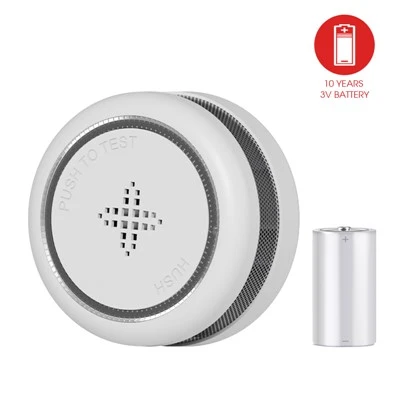
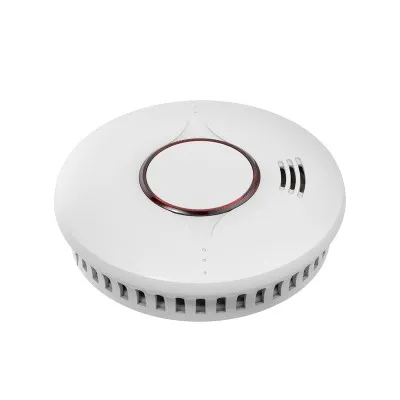
Obviously, smoke detectors and CO alarms are equally beneficial home safety devices. If you inspect the ceiling and see an alarm of some kind, you may not realize whether it's a smoke detector or a carbon monoxide alarm. The visual discrepancy depends on the brand and model you have. Here are some factors to keep in mind:
Quality devices are visibly labeled. If not, try to find a brand and model number on the back of the detector and find it online. You should also find a manufacture date. If the device is more than a decade old, replace it at the earliest opportunity.
Plug-in devices that use power from an outlet are typically carbon monoxide is supposed to be labeled saying as much.
Some alarms will be two-in-one, offering protection against both smoke and carbon monoxide with a separate indicator light for each. Still, it can be hard to tell if there's no label on the front, so checking the manufacturing details on the back is smart.
How Many Carbon Monoxide Detectors Will I Want In My Home?
The number of CO alarms you require is dependent on your home's size, number of floors and the number of bedrooms. Follow these guidelines to ensure thorough coverage:
Install carbon monoxide detectors near wherever people sleep
CO gas poisoning is most likely at night when furnaces have to run constantly to keep your home comfortable. For that reason, all bedrooms should have a carbon monoxide detector installed around 15 feet of the door. If two bedroom doors are less than 30 feet apart, a single alarm is adequate.
Add detectors on all floors
Concentrated carbon monoxide buildup can become stuck on a single floor of your home, so do your best to have at least one CO detector on every level.
Put in detectors within 10 feet of the internal garage door
A surprising number of people accidentally leave their cars idling in the garage, leading to dangerous carbon monoxide buildup, even while the large garage door is completely open. A CO alarm immediately inside the door-and in the room up above the garage-alerts you of heightened carbon monoxide levels within your home.
Install detectors at the correct height
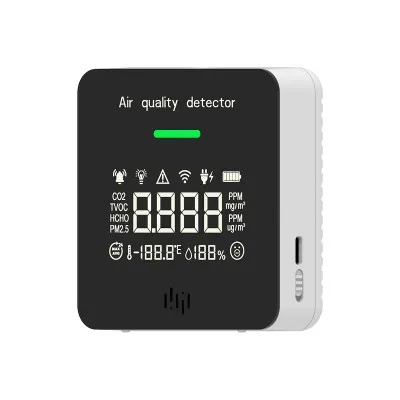
Carbon monoxide features a weight similar to air, but it's frequently pushed up by the hot air produced by combustion appliances. Installing detectors near the ceiling is a good way to catch this rising air. Models that come with digital readouts are best placed at eye level to make them easier to read.
Install detectors around 15 feet from combustion appliances
Certain fuel-burning machines produce a tiny, non-toxic amount of carbon monoxide when they start. This dissipates quickly, but if a CO detector is positioned too close, it might trigger false alarms.
Have detectors away from extreme heat and humidity
Carbon monoxide detectors have certain tolerances for heat and humidity. To minimize false alarms, try not to install them in bathrooms, in harsh sunlight, next to air vents, or close to heat-generating appliances.
How do I test/troubleshoot a carbon monoxide sensor?
Depending on the model, the manufacturer might suggest monthly testing and resetting to ensure proper functionality. Also, swap out the batteries in battery-powered units twice a year. For hardwired units, replace the backup battery once a year or when the alarm is chirping, whichever starts first. Then, replace the CO detector completely every 10 years or in line with the manufacturer's instructions.
How to test your carbon monoxide alarm
All it takes is a minute to test your CO alarm. Review the instruction manual for directions unique to your unit, with the knowledge that testing practices this general procedure:
Press and hold the Test button. It might take 5 to 20 seconds for the alarm to start.
Loud beeping signifies the detector is functioning correctly.
Release the Test button and wait for two quick beeps, a flash or both. If the device keeps beeping when you release the button, press and hold it again for five seconds to stop it.
Replace the batteries if the unit fails to perform as expected during the test. If replacement batteries don't make a difference, replace the detector immediately.
How to reset your carbon monoxide alarm
You're only required to reset your unit after the alarm goes off, after testing the device or after swapping the batteries. A few models automatically reset themselves in under 10 minutes of these events, while other alarms require a manual reset. The instruction manual will note which function you should use.
Use these steps to reset your CO detector manually:
Press and hold the Reset button for 5 to 10 seconds.
Release the button and wait for a beep, a flash or both.
If you don't get a beep or see a flash, attempt the reset again or replace the batteries. If nothing happens, troubleshoot your carbon monoxide alarm with assistance from the manufacturer, or install a new detector.
What do I do if a carbon monoxide alarm goes off?
Follow these steps to take care of your home and family:
Do not disregard the alarm. You might not be able to identify unsafe levels of carbon monoxide until it's too late, so assume the alarm is working properly when it goes off.
Evacuate all people and pets as quickly as possible. If you're able to, open windows and doors on your way out to help thin out the concentration of CO gas.
Call 911 or the local fire department and inform them that the carbon monoxide alarm has triggered.
Do not assume it's safe to reenter your home when the alarm is no longer beeping. Opening windows and doors may help air it out, but the root cause may still be creating carbon monoxide.
When emergency responders come, they will enter your home, evaluate carbon monoxide levels, check for the source of the CO leak and figure out if it's safe to go back inside. Depending on the cause, you may need to request repair services to keep the problem from recurring.
Seek Support from Service Experts Heating, Air Conditioning & Plumbing
With the proper precautions, there's no need to fear carbon monoxide exposure in your home. Along with installing CO alarms, it's worthwhile to maintain your fuel-burning appliances, namely as winter arrives.
The team at Service Experts Heating, Air Conditioning & Plumbing is qualified to inspect, clean, diagnose and repair malfunctions with furnaces, boilers, water heaters and other combustion appliances. We recognize which signs indicate a possible carbon monoxide leak- such as increased soot, rusted flue pipes and a yellow, flickering burner flame-along with the necessary repairs to avoid them.