





When it comes to fire safety, having the right detection systems in place can make a crucial difference in preventing loss of life and property damage. Two common types of fire detectors are heat detectors and smoke detectors. While both serve the purpose of alerting occupants to the presence of fire, they operate on different principles and are suited for different environments. This article aims to clarify the differences between heat detectors and smoke detectors, helping you make an informed decision about which type of detector is best for your needs.
How Heat Detectors Work
Heat detectors are designed to detect fires by sensing the rise in temperature. They typically contain a heat-sensitive element that triggers an alarm when the temperature exceeds a certain threshold or when there is a rapid increase in temperature. There are two main types of heat detectors:
1. Fixed Temperature Detectors: These detectors activate when the ambient temperature rises above a predetermined level, usually around 135°F (57°C) or 194°F (90°C). They are simple and reliable but may not respond quickly to fast-moving fires.
2. Rate-of-Rise Detectors: These detectors trigger an alarm when the temperature rises at a rate faster than a specified limit, typically around 15°F (8.3°C) per minute. They are more responsive to rapidly growing fires but can be prone to false alarms if there are sudden changes in temperature.
How Smoke Detectors Work
Smoke detectors, on the other hand, are designed to detect the presence of smoke before a fire has fully developed. They use various technologies to sense the particles produced by combustion. The two most common types of smoke detectors are:
1. Ionization Smoke Detectors: These detectors contain a small amount of radioactive material that ionizes the air inside a sensing chamber. When smoke enters the chamber, it disrupts the ionization process, triggering an alarm. Ionization detectors are particularly sensitive to small smoke particles, such as those produced by flaming fires.
2. Photoelectric Smoke Detectors: These detectors use a light source and a photosensor to detect smoke. When smoke enters the sensing chamber, it scatters the light, causing some of it to hit the photosensor and trigger an alarm. Photoelectric detectors are more responsive to larger smoke particles, such as those produced by smoldering fires.
Choosing the Right Detector
Both heat detectors and smoke detectors have their advantages and disadvantages, and the choice between them depends on the specific environment and potential fire hazards. Here are some factors to consider:
1. Environment: Heat detectors are generally more suitable for areas with high ambient temperatures, such as kitchens or garages, where smoke detectors might be prone to false alarms. Smoke detectors are better for living spaces, bedrooms, and hallways, where early detection of smoke is critical.
2. Fire Type: Smoke detectors are more effective at detecting smoldering fires, which produce large amounts of smoke but little heat. Heat detectors are better at detecting fast-moving fires, which produce more heat than smoke.
3. Installation Location: Smoke detectors should be installed on ceilings or high on walls, as smoke rises. Heat detectors can be installed on ceilings or walls, but they should be placed closer to potential heat sources.
4. Maintenance: Both types of detectors require regular maintenance, including testing and cleaning. However, smoke detectors may need more frequent cleaning, especially in dusty environments, to prevent false alarms.
Conclusion
While heat detectors and smoke detectors share the common goal of providing early warning of fire, they operate on different principles and are suited for different applications. By understanding the differences between these two types of detectors, you can make a more informed decision about which type of detector is best for your home or business. Remember, the key to effective fire safety is having a combination of detection systems that provide comprehensive coverage and early warning, giving you precious time to evacuate or extinguish the fire before it spreads.
Heat Detectors vs. Smoke Detectors: Understanding the Differences
Popular Products

Stand Alone Smoke Detector
Model Number: TSS915A. Photoelectric smoke detector. 9V replaceable battery. With EN14604 BSI certificate quality

Hardwired Smoke Detector
Model Number: TSS890A-HI. Photoelectric smoke detector. Mains power 220-240V with 9V battery backup. With EN14604 BSI

Domestic Fire Alarm
Model number:TSS380A-H. Photoelectric smoke detector. Built-in 10 years lithium battery. With EN14604 Q-label,NF

Wireless Heat Detector
Model Number: THS898A-HIR. Hardwired heat detector. Mains power 220-240V power supply with 9V battery backup. With

Wireless Heat Alarms With 10 Years Battery
Module: THS385D-HR. Function: RF Heat Detector. MOQ: 500 Pieces. Customization: Customized Logo/Customized Packaging.
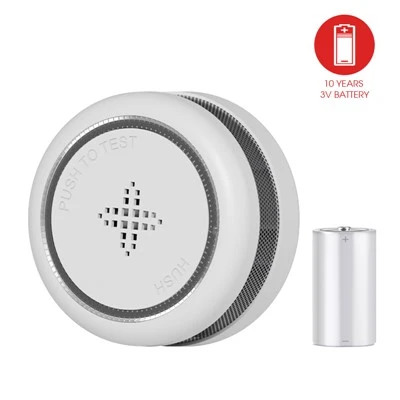
Built-in 3V Lithium Battery Mini Smoke Alarm
Module: TSS303R. Function: Wireless Smoke Detector. MOQ: 500 Pieces. Customization: Customized Logo/Customized

WiFi Plug
* Model: TOO0102W* Operating voltage: AC 100-240V* APP remote control* Timer function* Power Memory* Overload

WiFi Carbon Monoxide Alarm
Model: TCS0102WPower: 2*AA replaceable batteriesSize: 93*93*30mmMOQ: 1000Pcs