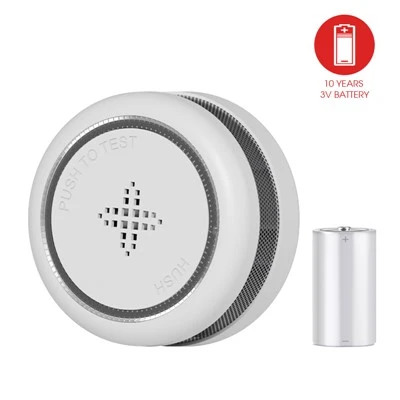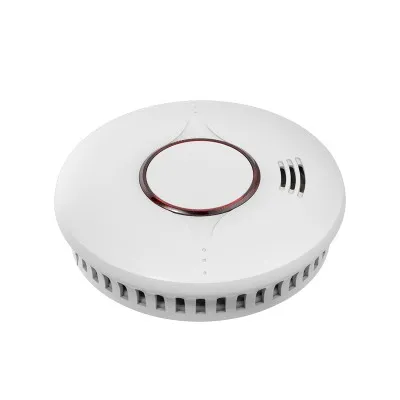


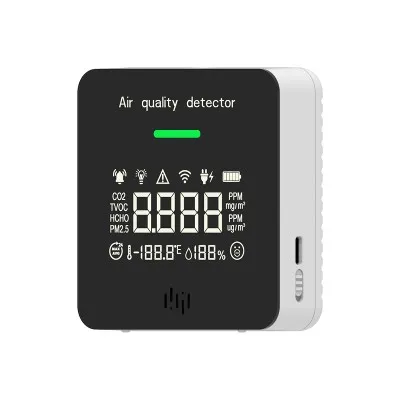


You can't see it, smell it or taste it. And in abundance, it can kill within minutes. Carbon monoxide, sometimes called the invisible killer, is a gaseous byproduct of incomplete combustion that can seep from broken or misused heating systems at hazardous levels. Faulty stoves or furnaces and vehicles or portable generators operated indoors are all potential culprits of carbon monoxide poisoning, which kills hundreds of people and hospitalizes tens of thousands every year in the U.S.
Fortunately, we have carbon monoxide detectors to warn us before we're in danger.
These detectors are designed to measure the concentration of carbon monoxide in the air (in parts per million, or ppm) and sound an alarm if enough of the chemical is around long enough to become a problem. If detected over the course of a few hours, carbon monoxide at 70 ppm will trigger an alarm. At the other end of the spectrum, dangerous concentrations above 400 ppm will do the same after just a few minutes.

Carbon Monoxide Detectors manufacturer
Because carbon monoxide is slightly lighter than air and also because it may be found with warm, rising air, detectors should be placed on a wall about 5 feet above the floor. The detector may be placed on the ceiling. Do not place the detector right next to or over a fireplace or flame-producing appliance. Keep the detector out of the way of pets and children. Each floor needs a separate detector. If you are getting a single carbon monoxide detector, place it near the sleeping area and make certain the alarm is loud enough to wake you up.
In any case, the alarms should provide enough notice so that people nearby can escape before symptoms, such as nausea, headache or loss of consciousness, take hold. And safety standards exist to ensure that detectors reliably sound their alarms at the right time.
There are several types of detector available, each employing a different method to gauge carbon monoxide levels. But how exactly can these devices detect an invisible killer?
The most common type of detector gets the job done through electrochemical sensors composed of electrodes submerged in an electrically conductive solution called an electrolyte. When carbon monoxide enters the gas-permeable compartment that houses the sensor, a chemical reaction occurs that causes the electrical current passing through the electrolyte to surge. The specific amount by which the current increases tells the detector the concentration of the carbon monoxide molecules.
Metal oxide sensors operate along similar lines, but instead of a chemical solution these sensors rely on circuitry. As carbon monoxide meets a sensor's chip, it lowers the material's resistance to the flow of electricity to a degree that depends on the concentration of the chemical present in the air.
A different approach takes inspiration from hemoglobin, a protein found in blood cells that delivers oxygen to your tissues (but can be easily hijacked by carbon monoxide). When oxygen or carbon dioxide chemically attaches to hemoglobin in your lungs, the protein's color brightens noticeably, causing your blood to shift from a dark to cherry red color. Some carbon monoxide detectors mimic this effect with a gel that changes color as it soaks up the deadly chemical. A light sensor tracks the gel's color, which indicates the level of carbon monoxide nearby.
While there are several kinds of technologies to choose from, any functioning detector could greatly cut down on the risk of carbon monoxide poisoning. The National Fire Protection Association (NFPA) recommends installing detectors per the manufacturer's instructions in a central location outside each room where people sleep and on every floor of the home. Local laws, codes or standards may have additional requirements to look out for as well.
All sensors have a limited lifetime, which will vary between manufactures. Carbon monoxide detectors that meet the newest standards in the U.S. will signal when they have reached the end of their useful life and need to be replaced.
Attacking the problem at the source could go a long way in staving off carbon monoxide too. Vehicle engines should not be run in a closed garage or in any indoor space. And portable generators, which can expel more than a hundred times more carbon monoxide than a car exhaust, should be run outdoors and as far away from windows and doors as possible, even in times of weather emergencies.