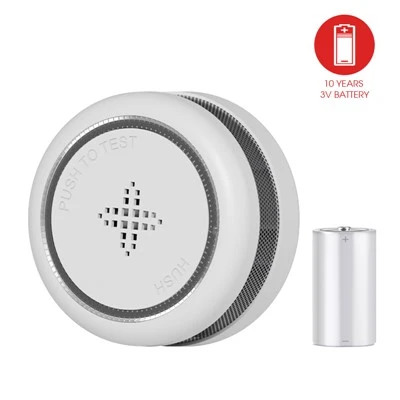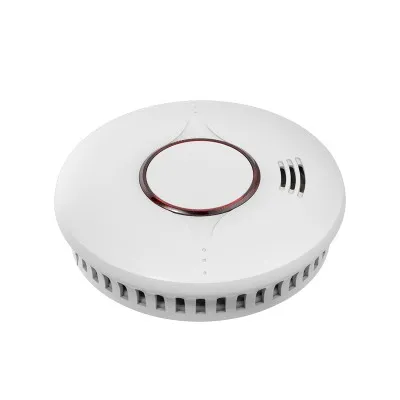


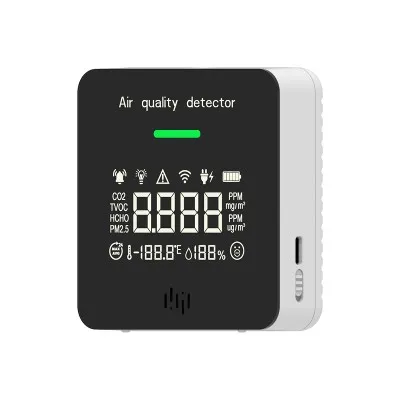


Combustible gas detectors are essential for ensuring the safety of the site. To ensure their normal operation and accurate detection, the following maintenance points need to be done:
Daily inspection
- Appearance inspection: Perform an appearance inspection once a week to check whether the connection parts are loose, whether the movable parts can move normally, whether the display parts are damaged, whether the display is clear and accurate, and whether the control knob can be operated normally. For detectors installed at high places, the inspection cycle can be appropriately extended, but normal operation must still be guaranteed. At the same time, check whether the air inlet of the detector is well ventilated and whether it is blocked by dust or debris.
- Operation status inspection: Press the alarm self-test test system button once a week to check the operation status of the indicator system and check whether the alarm function is normal. If the alarm light is not on or the display is abnormal, the cause should be promptly investigated and handled.
Cleaning and maintenance
- Regular cleaning: Clean the combustible gas detection alarm at least once a year. Use a vacuum cleaner to remove dust from the alarm to prevent dust from affecting air movement and thus affecting the normal use of the gas alarm. If there is dirt on the surface of the instrument after long-term use, wipe it gently with a clean soft cloth dipped in water. Do not use corrosive solvents and hard objects to wipe it to prevent scratches or damage to the instrument surface.
- Avoid pollution: Combustible gas detectors must not be stored or used in environments containing highly corrosive gases, nor should they be used and stored in other harsh environments (including too high or too low temperatures, high humidity, electromagnetic fields, and strong sunlight). Avoid using substances with pungent odors near combustible gas alarms as much as possible, such as pesticides, paints, and large amounts of alcohol, so as to prevent these irritating gases from causing false alarms in combustible gas alarms.
Calibration and verification
- Regular calibration: The inspection and calibration of combustible gas detectors should be checked at least once every 3 months. Use standard gas to calibrate the detector, observe the alarm situation and stable value, and keep test records. Zero calibration is also very important. When the combustible gas detector host is powered on, if there is no combustible gas content in the air around the installation site of the probe, the display value of the probe should be 0%LEL, and the output signal should be 4mA. If it does not meet the requirements, it should be adjusted.
- Professional calibration: The combustible gas detector must be recalibrated and tested at the local metrology institute every other year, or returned to the manufacturer for inspection to ensure the accuracy and reliability of its detection.
Grounding detection
Regularly check the grounding situation. If the grounding does not meet the standard requirements or is not grounded at all, the combustible gas detector will be susceptible to electromagnetic interference and cause failures. Ensuring good grounding can effectively improve the stability and anti-interference ability of the detector.
Component replacement
From the perspective of reliability, practice has proved that the system with a service life of more than 10 years of combustible gas detectors has an increasing tendency to cause failures caused by component aging. Therefore, if the service life exceeds the requirements of the use regulations, it should be replaced in time. In addition, if the sensor loses sensitivity after regular calibration, when the calibration value does not reach the standard gas value, the sensor also needs to be replaced in time.