



Facts and figures about smoke alarms:
1.In 2012-2016, smoke alarms sounded in more than half (53%) of the home fires reported to U.S. fire departments.
2.Almost three of every five home fire deaths resulted from fires in homes with no smoke alarms (40%) or no working smoke alarms (17%).
3.No smoke alarms were present in two out of every five (40%) home fire deaths.
4.The death rate per 1,000 reported home fires was more than twice as high in homes that did not have any working smoke alarms compared to the rate in homes with working smoke alarms (12.3 deaths vs. 5.7 deaths per 1,000 fires).
5.In fires in which the smoke alarms were present but did not operate, more than two of every five (43%) of the smoke alarms had missing or disconnected batteries.
6.Dead batteries caused one-quarter (25%) of the smoke alarm failures.Facts and figures about smoke alarms
Some suggestions for checking smoke alarms:
With their proven ability to double your family’s chance of surviving a residential fire, smoke detectors are one of the most valuable fire safety tools on the market… yet we tend to take them for granted. Smoke alarms are such a common presence in our homes that it’s easy to just expect them to work every time. But like many other devices and appliances around the house, smoke detectors require regular cleaning and maintenance to function effectively. To ensure the best smoke detection possible, follow our easy tips for keeping household smoke alarms tuned up, properly powered, and ready for action.
Airborne dust and contaminants can interfere with a smoke alarm’s ability to detect smoke, so make it a point to clean all detectors in your home at least twice a year. Use your vacuum cleaner’s long upholstery wand to clear away any dust or cobwebs that have settled around the detectors, and – if possible – vacuum out the smoke alarms’ interior compartments as well(in accordance with the manufacturer’s instructions).
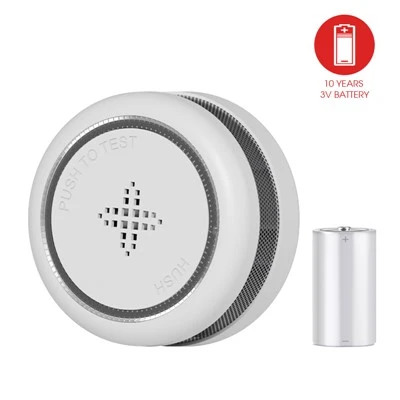
Don’t wait for that high-pitched chirp to annoy you into changing smoke detector batteries; instead, keep a standing annual date with yourself for replacing the battery in each of your home’s smoke alarms. Just so you don’t forget this important task, choose an easy-to-remember date that has personal significance. Don’t feel like changing smoke alarm batteries on your birthday? Many fire and home safety agencies suggest that you take care of smoke detector maintenance on the same day you turn your clocks back from Daylight Savings Time.
Even with regular cleaning and battery changes, smoke detectors don’t last forever. Outdated smoke alarms can randomly fail, so it’s important to stay on the safe side and replace all household smoke detectors every 10 years. If you’ve lived in your home for less than 10 years but aren’t sure how old the existing smoke alarms are, don’t take any chances with your safety – switch them out for new units immediately.
If you notice that a particular smoke alarm is going off frequently even when there isn’t any smoke in the air, don’t disable it – instead, investigate the cause of the false alarms. More often than not you’ll find that the smoke detector is located too close to the kitchen or bathroom, where cooking fumes and steam can trick it into setting off its alarm even when there’s no danger. Simply relocate the detector a little further away from the kitchen or bathroom, and the problem should be resolved; however, if the false alarms keep occurring, you could be dealing with faulty smoke alarm, in which case it should just be replaced.