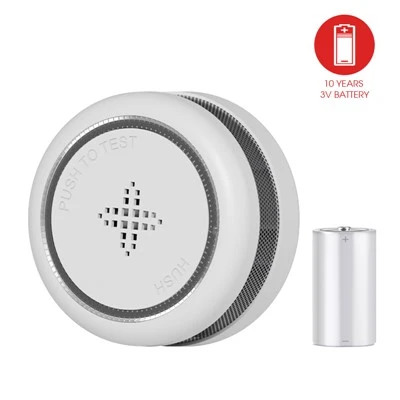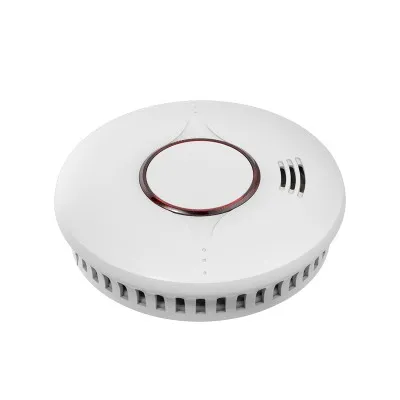


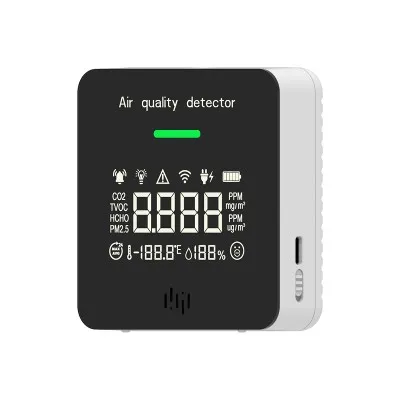


regulations is not just a legal requirement-it's a critical factor in product success, consumer trust, and market access. Smoke detectors and fire alarm systems must meet strict standards for safety, performance, and labeling, and non-compliant products risk being banned, recalled, or penalized. As a leading Smoke Detector manufacturer with over 15 years of experience supplying European and Australian markets, Zhejiang Jiaboer Electronic Technology Co., Ltd. (JBE) understands the complexities of regional regulations. In this article, we break down the key regulatory requirements for Smoke Detectors, Smoke Alarms, Heat Detectors, and related products, explain how JBE ensures compliance, and provide guidance for B2B buyers looking to navigate these markets successfully.
Key Regulatory Standards for European Markets
Europe has one of the most stringent fire safety regulatory frameworks in the world, with standards designed to ensure consistent product performance and protect consumers. B2B buyers must ensure that the smoke detectors they distribute comply with the following core regulations:
1. EN14604: The European Standard for Smoke Detectors
EN14604 is the primary standard for smoke detectors sold in the European Union (EU) and European Economic Area (EEA). It specifies requirements for design, performance, testing, and labeling of smoke detectors for residential and commercial use. Key requirements under EN14604 include:
Sensitivity: Detectors must respond to smoke particles within specified thresholds, with no false alarms from common household contaminants (e.g., cooking fumes, dust).
Durability: Products must withstand temperature variations (-10°C to +55°C), humidity, and mechanical stress (e.g., installation, transportation).
Battery Life: Battery-powered Smoke Detectors must have a minimum lifespan of 5 years, with 10-year batteries recommended for low-maintenance models.
Labeling: Products must display the CE mark, EN14604 certification number, manufacturer's name, and production date.
JBE's entire range of Smoke Detectors-including Photoelectric Smoke Alarms, Wired Smoke Detectors, Wireless Smoke Detectors, and Smart Smoke Detectors-complies with EN14604. Our products undergo rigorous testing in German LORENZ and British AWT smoke testing cases to ensure they meet sensitivity and performance requirements, and we provide full documentation to B2B buyers for customs and regulatory purposes.
2. CE Marking: Mandatory for EU Market Access
The CE mark indicates that a product meets all EU health, safety, and environmental requirements. To obtain the CE mark for smoke detectors, manufacturers must:
Conduct a risk assessment of the product.
Test the product to relevant standards (e.g., EN14604).
Prepare a Technical File documenting compliance.
Issue a Declaration of Conformity.
JBE's products carry the CE mark, and we provide B2B buyers with all necessary documentation to demonstrate compliance. This simplifies the import process and ensures that products can be sold freely within the EU and EEA.
3. Additional European Certifications
While EN14604 and CE marking are mandatory, additional certifications can enhance product credibility and marketability:
BSI Certification: Issued by the British Standards Institution, BSI certification is highly respected in the UK and across Europe, validating product quality and safety.
VDS Certification: A German certification for fire safety products, VDS is recognized for its rigorous testing and is often required for commercial building projects.
BSCI Certification: Ensures that manufacturing processes meet ethical and social responsibility standards, which is increasingly important for retailers and corporate buyers.
JBE holds all these certifications, giving B2B buyers a competitive advantage in European markets by demonstrating a commitment to quality, safety, and ethical manufacturing.
Key Regulatory Standards for Australian Markets
Australia has its own set of fire safety regulations, with standards designed to address local fire risks (e.g., bushfires, high temperatures) and building practices. B2B buyers targeting Australia must comply with the following requirements:
1. AS3786: The Australian Standard for Smoke Alarms
AS3786 specifies the performance requirements for smoke alarms installed in residential and commercial buildings in Australia. Key requirements include:
Sensitivity: Detectors must respond to both smoldering and fast-flaming fires, with photoelectric technology preferred for residential use (due to lower false alarm rates).
Power Supply: Hard Wired Smoke Alarms must be connected to the building's electrical system and include a backup battery with a minimum 6-month lifespan. Battery Smoke Detectors must use long-life lithium batteries.
Installation: Detectors must be designed for easy installation on ceilings or walls, with clear instructions for end users.
Labeling: Products must display the AS3786 mark, manufacturer's details, and battery replacement reminders.
JBE's Australian-compliant products-including Mains Smoke Alarms, Battery Smoke Detectors, and Wireless Smoke Detectors-are engineered to meet AS3786 standards. Our photoelectric Smoke Alarms are optimized for Australian fire conditions, and our Hard Wired Smoke Alarms include backup batteries that meet local power supply requirements.
2. State-Specific Regulations
In addition to national standards, Australian states and territories have their own regulations governing smoke detector installation and maintenance. For example:
New South Wales (NSW): Requires residential buildings to have interconnected smoke alarms on every level and in bedrooms.
Victoria: Mandates that all smoke alarms in residential buildings be photoelectric and comply with AS3786.
Queensland: Requires smoke alarms to be installed in all bedrooms, hallways, and living areas, with hardwired models preferred for new constructions.
JBE works closely with B2B buyers to ensure our products meet state-specific requirements, providing guidance on product selection and installation. For example, our Wireless Fire Alarms are ideal for retrofits in older buildings, as they can be interconnected without wiring, meeting NSW and Queensland requirements.
3. Product Registration
Some Australian states require smoke detectors to be registered with local authorities. JBE provides product documentation that simplifies registration, ensuring B2B buyers can quickly bring products to market.
How JBE Supports B2B Buyers in Navigating Regulations
Complying with European and Australian regulations can be complex, but JBE's expertise and resources make it easier for B2B buyers to succeed. Here's how we support our partners:
1. Pre-Compliant Products
JBE's entire product line is designed to meet European and Australian standards, eliminating the need for buyers to modify products or navigate certification processes independently. We continuously monitor regulatory changes and update our products to ensure ongoing compliance-for example, adapting to new battery life requirements or sensor sensitivity standards.
2. Comprehensive Documentation
We provide B2B buyers with all necessary regulatory documentation, including:
Certificates of compliance (EN14604, AS3786, CE, BSI, VDS).
Technical Files for CE marking.
Installation and maintenance guides in multiple languages (English, German, French, Spanish, etc.).
Declaration of Conformity for customs clearance.
This documentation streamlines the import process, reduces delays, and ensures that buyers can demonstrate compliance to retailers, authorities, and end consumers.
3. Regulatory Expertise
Our team of regulatory specialists is available to answer questions and provide guidance on regional requirements. Whether a buyer needs help understanding state-specific installation rules in Australia or navigating CE marking for the EU, we offer personalized support to ensure success.
4. Customization for Regional Needs
JBE's ODM/OEM services allow us to customize products to meet specific regional requirements. For example, we can modify the voltage of Mains Smoke Alarms for European (230V) or Australian (240V) electrical systems, or adjust sensor sensitivity to comply with state-specific standards in Australia. This flexibility ensures that buyers can offer products that are perfectly tailored to their target markets.
JBE's Compliant Product Range for Europe & Australia
JBE offers a wide range of regulatory-compliant products for B2B buyers in Europe and Australia, including:
1. European-Compliant Products
Photoelectric Smoke Alarms: EN14604-certified, with CE and BSI marks.
Wired Smoke Detectors: Hardwired models with backup batteries, suitable for commercial buildings.
Wireless Smoke Detectors: Interconnected via radio frequency, ideal for retrofits.
Smart Smoke Alarms: Wifi-enabled with mobile app connectivity, meeting EU IoT standards.
Heat Detectors: EN14604-compliant, designed for high-risk environments.
2. Australian-Compliant Products
Mains Smoke Alarms: AS3786-certified, hardwired with backup batteries.
Battery Smoke Detectors: Long-life lithium battery models, meeting Australian power requirements.
Optical Smoke Alarms: Photoelectric technology preferred for residential use.
Wireless Fire Alarms: Interconnected systems for compliance with state installation rules.
Home Fire Alarms: Combination smoke, CO, and heat detectors, suitable for Australian homes.
Why B2B Buyers Choose JBE for Regulatory Compliance
For B2B buyers, partnering with a manufacturer that understands regional regulations reduces risk, saves time, and ensures market access. JBE's commitment to compliance, combined with our technical expertise and customer support, makes us the preferred choice for buyers targeting Europe and Australia. Here are the key reasons our partners trust us:
Proven Compliance: Our products have been successfully distributed in Europe and Australia for over 15 years, with no regulatory violations or recalls.
Regulatory Agility: We adapt quickly to new standards, ensuring buyers can continue to sell products without disruption.
End-to-End Support: From documentation to customization, we provide everything buyers need to navigate regulations and succeed in their markets.
Quality Assurance: Compliance is paired with strict quality control, ensuring products not only meet regulatory requirements but also perform reliably.
Conclusion
Navigating European and Australian smoke detector regulations is a complex task, but B2B buyers can simplify the process by partnering with a manufacturer that prioritizes compliance. JBE's regulatory expertise, pre-compliant products, and comprehensive support make us the ideal partner for buyers looking to enter or expand in these markets. Whether you need EN14604-compliant products for Europe, AS3786-certified solutions for Australia, or custom ODM/OEM products tailored to regional needs, we have the resources and expertise to help you succeed.
To discuss your regulatory requirements, request compliance documentation, or learn more about our European and Australian product lines, contact us today:
Browse our products: https://www.jbe-electronics.com/smoke-detector/
Learn about our company: https://www.jbe-electronics.com/about-us
Send an inquiry via our website for a response within 12 hours.
Partner with JBE and confidently bring compliant, reliable fire safety solutions to European and Australian markets-building trust with your customers and growing your business.