



Often you hear people using the terms smoke and smoke detectors interchangeably. However, there is a difference between the two.What's the difference?

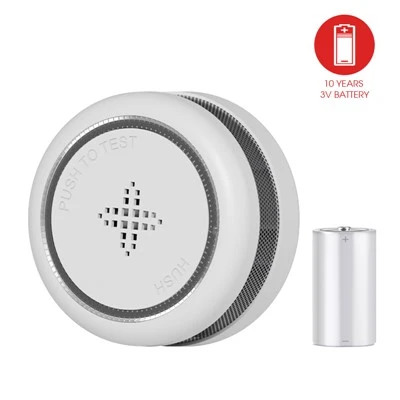
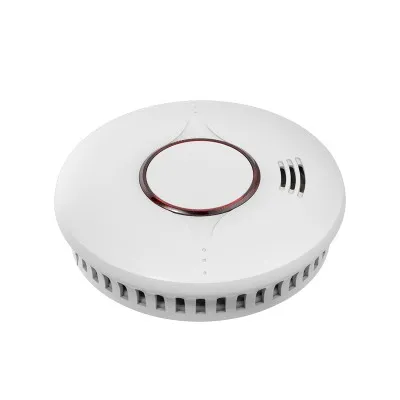
A smoke alarm is an all-in-one, self-contained device, with a detector, which senses the products of combustion (smoke) and sounds an audible, and sometimes visual warning or alarm. Smoke alarms are widely used in residential settings. Put simply, a smoke alarm detects smoke and sounds an alarm.
A smoke detector is strictly a sensing device only, which senses the products of combustion (smoke) and sends a signal to a building's fire alarm system to activate an audible, and sometimes visual warning or alarm. Smoke detectors must be connected to a building's fire alarm system and are NOT a stand-alone unit. Put simply, a smoke detector senses smoke only and must be connected to a fire alarm system control panel. Smoke detectors are a detection device only – not an alarm.

Learn why interconnected smoke alarms are better than standalone smoke alarms
When smoke and carbon monoxide (CO) alarms are interconnected, each alarm can now tell you when there's smoke or carbon monoxide in any room that has a smoke/CO alarm. A traditional alarm can alert you to the presence of smoke, fire or carbon monoxide, but it can only detect the area around it.
Interconnected alarms are safer
Interconnected smoke alarms are safer than standalone smoke alarms, because they let you know about an emergency sooner. Even if you're in the house, you may not be close to the area where the fire started. If you're in the basement, you may not hear an alarm in the bedroom. According to the National Fire Protection Association (NFPA), the majority of fatalities from US home fires were located in a different room than where the fire started.
Required for new home constructions
Because of their many benefits, including safety and early warning, many states now require interconnected smoke alarms for new home construction.
Wireless Interconnect
In the past, interconnection had to be hard wired between smoke/carbon monoxide alarms. Now smoke/CO alarms can be interconnected wirelessly, without requiring expensive retrofits. With wireless interconnect, you can easily retrofit existing homes and get them up to code.
Benefits of Interconnected Smoke Alarms
Whole Home Coverage
In the event of a home fire, time is of the essence, with only a couple minutes to escape from a house fire. If a fire starts on the top floor of your home and you are in the basement, there's a chance you may not be able to hear the alarm going off. If you have an interconnected smoke alarm system in your home, the basement smoke alarm will sound when the top floor alarm goes off. You will be able hear the alarm regardless of where you are, compared to where the initial alarm is. In fact, according to the National Fire Protection Association (NFPA), the majority of fatalities stemming from home fires in the United States were located in a different room than where the fire started. An interconnected smoke alarm system will help give you and your family peace of mind knowing your entire house is fully protected.
Wireless Connection
Past interconnected smoke alarm systems were hardwired to each other through your home's electrical system in order to work properly. Thanks to new technology, you have the option to install wireless interconnected smoke alarm systems in your home. These alarms are easy to install and are battery operated, so your family is still protected in the event of a power outage. First Alert's wireless model also offers voice and location alerts, which tells you the type of emergency and where danger is located, allowing you to choose the safest evacuation route.