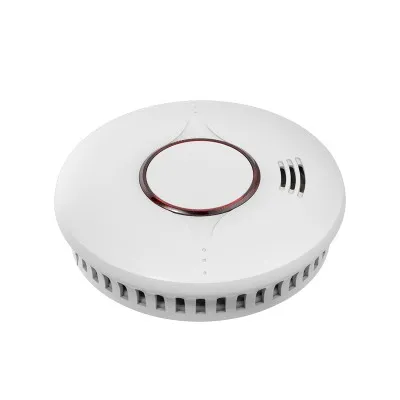


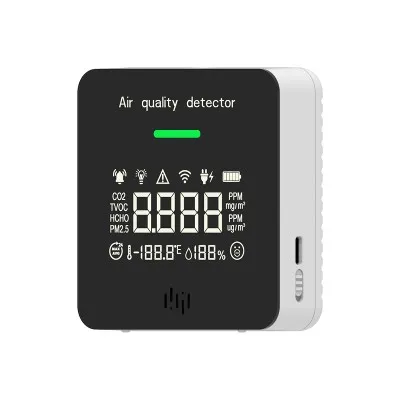


Wireless sensor network can be regarded as a data acquisition network, data distribution network and control management center three parts. Its main components are the nodes integrated with sensors, data processing units and communication modules, each node by protocol to form a distributed network, and then the collected data through optimization by radio waves transmitted to the information processing center.
Because the number of nodes is huge and it is in a constantly changing environment, it has a unique "personality" that is different from that of a common sensor network. The first is the uncentered and self-organizing feature. In the wireless sensor network, all nodes are equal status, there is no pre-designated center, each node through distributed algorithms to coordinate with each other, in the case of unattended, the node can automatically organize a measurement network. Because there is no center, the network is not compromised by the disengagement of a single node.
The second is the dynamic variability of the network topology. The nodes in the network are in a changing environment, and their state is changing accordingly, and the network topology is constantly changing due to the instability of the wireless communication channel, which no one can accurately predict.
The third is the limited transmission capacity. Wireless sensor networks transmit data through radio waves, and while the trouble with wiring is eliminated, low bandwidth is a natural flaw relative to wired networks. At the same time, there are signals that interfere with each other, and the signal itself is constantly decaying, and so on. However, because the amount of data transferred by a single node is not very large, this disadvantage can still be tolerated.
The fourth is the limit of energy. In order to measure the specific values of the real world, the nodes of the wireless signal amplifier are densely distributed in the area to be measured, and the method of artificial energy replenishment is no longer applicable. Each node reserves energy that can be used for a long time, or draws energy (solar energy) from the outside.
The fifth is the issue of security. Wireless channels, limited energy, and distributed control all make wireless sensor networks more vulnerable to attack. Passive eavesdropping, active intrusion, and denial of service are common ways to attack. Therefore, security is critical in the design of the network.