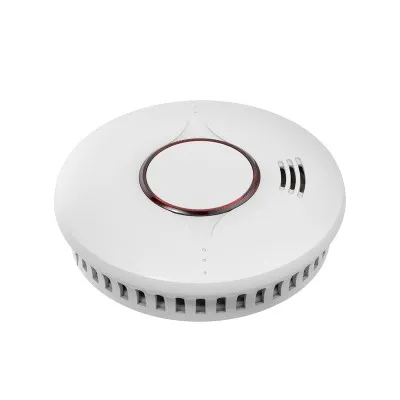


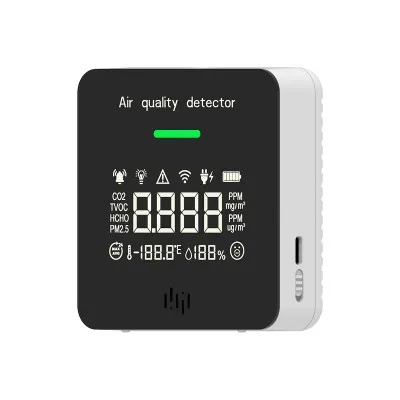


Tips for adjusting the sensitivity of thermal detectors are as follows:
1. Temperature compensation: Thermal detectors are often affected by changes in ambient temperature, so temperature compensation is required. This can be achieved with built-in temperature sensors and automatic adjustment systems to ensure that the sensitivity of the detector remains stable at different temperatures.
2. Adjust the gain of the detector: Gain refers to the detector's ability to amplify the signal. By adjusting the gain, the sensitivity of the detector can be controlled. Higher gain leads to higher sensitivity, but may also increase the risk of false alarms. Therefore, the gain needs to be adjusted according to the specific application scenario and needs.
3. Use filters: Filters can help remove noise and interfering signals, thereby increasing the sensitivity of the detector. Commonly used filters include low-pass filters, high-pass filters, and band-pass filters.
4. Calibrate the detector: It is very important to calibrate the detector regularly. Calibration ensures that the sensitivity of the detector remains within the expected range and reduces the possibility of false alarms. Calibration usually requires the use of a known standard source to test and adjust the detector.
5. Adjust the working mode of the detector: Some thermal detectors have different working modes, such as high sensitivity mode and low sensitivity mode. According to the specific application requirements, the appropriate working mode can be selected to adjust the sensitivity of the detector.
6. Adjust the detector threshold: Detectors usually have a threshold that triggers an alarm only when the signal strength exceeds this threshold. By adjusting the threshold, the sensitivity of the detector can be controlled. A higher threshold results in lower sensitivity, but it can also reduce the occurrence of false alarms.
7. Regular maintenance and cleaning: Regular maintenance and cleaning of the detector can ensure its proper operation and reduce the possibility of false alarms. Cleaning the detector's lens and sensor can remove dust and dirt, thereby increasing the sensitivity of the detector.
In short, the sensitivity adjustment of the thermal detector needs to be carried out according to the specific application scenario and needs. Through reasonable adjustment techniques, the sensitivity of the detector can be increased while reducing the occurrence of false alarms.