





The local oscillator provides a "scan" frequency to the mixer, each scan in the mixer output provides a different frequency and its corresponding value. The resolution filter is set to a user-selectable frequency range, the resolution bandwidth (RBW). The narrower the filter bandwidth, the higher the resolution of the measuring instrument, and the better the elimination of instrument noise. The RBW filter is followed by a detector to measure the frequency power size of each frequency value in a moment. Because this approach provides a high dynamic range, its main advantage is that it can calculate the amplitude value of a frequency point at a point in time. If the RBW filter is designed to be too narrow, it takes a long time to complete a scan of the RF input, so that some changes in the input RF signal cannot be detected. Scanning in a frequency domain or several passbands can take considerable time, and the test ingress is based on the assumption that there will be no significant change in the signal during the test time during which multiple scans are performed, so a relatively stable, constant input signal is required. If the signal changes frequently, it may not be possible to produce results.
Wireless Signal Amplifier Principle
Popular Products

Stand Alone Smoke Detector
Model Number: TSS915A. Photoelectric smoke detector. 9V replaceable battery. With EN14604 BSI certificate quality

Hardwired Smoke Detector
Model Number: TSS890A-HI. Photoelectric smoke detector. Mains power 220-240V with 9V battery backup. With EN14604 BSI

Domestic Fire Alarm
Model number:TSS380A-H. Photoelectric smoke detector. Built-in 10 years lithium battery. With EN14604 Q-label,NF

Wireless Heat Detector
Model Number: THS898A-HIR. Hardwired heat detector. Mains power 220-240V power supply with 9V battery backup. With

Wireless Heat Alarms With 10 Years Battery
Module: THS385D-HR. Function: RF Heat Detector. MOQ: 500 Pieces. Customization: Customized Logo/Customized Packaging.
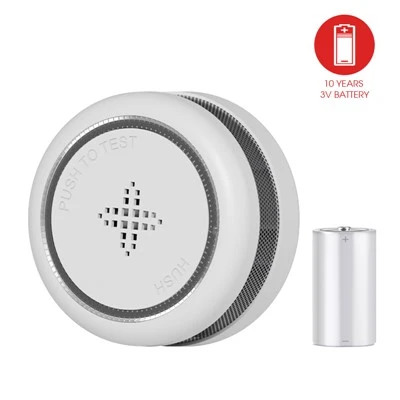
Built-in 3V Lithium Battery Mini Smoke Alarm
Module: TSS303R. Function: Wireless Smoke Detector. MOQ: 500 Pieces. Customization: Customized Logo/Customized

WiFi Plug
* Model: TOO0102W* Operating voltage: AC 100-240V* APP remote control* Timer function* Power Memory* Overload

WiFi Carbon Monoxide Alarm
Model: TCS0102WPower: 2*AA replaceable batteriesSize: 93*93*30mmMOQ: 1000Pcs