





As a supplier of hardwired heat detectors, I often encounter inquiries from customers regarding the regulations governing their use. In this blog post, I will delve into the various regulations that pertain to hardwired heat detectors, providing you with a comprehensive understanding of the legal framework and safety standards that ensure their proper installation and operation.
National and International Standards
The use of hardwired heat detectors is subject to a multitude of national and international standards, which are designed to safeguard lives and property by ensuring the reliable performance of these devices. One of the most widely recognized standards is the National Fire Protection Association (NFPA) 72, which sets forth the requirements for fire alarm systems in the United States. NFPA 72 mandates that heat detectors be installed in accordance with the manufacturer's instructions and that they meet specific performance criteria, such as response time and sensitivity.
In addition to NFPA 72, there are several other national and international standards that govern the use of hardwired heat detectors. For example, the European Standard EN 54-5 specifies the requirements for heat detectors used in fire alarm systems in Europe. This standard covers aspects such as the design, testing, and installation of heat detectors, ensuring that they meet the highest levels of safety and reliability.
Local Building Codes
In addition to national and international standards, the use of hardwired heat detectors is also regulated by local building codes. These codes vary from jurisdiction to jurisdiction, but they generally require that heat detectors be installed in specific areas of a building, such as stairwells, hallways, and kitchens. Local building codes may also specify the type of heat detector that must be used, as well as the installation requirements, such as the spacing between detectors and the height at which they should be mounted.
It is important to note that local building codes can be complex and may change over time. As a supplier of hardwired heat detectors, I recommend that you consult with a qualified fire protection professional or local building department to ensure that you are in compliance with all applicable regulations.
Installation and Maintenance Requirements
In addition to meeting national and international standards and local building codes, hardwired heat detectors must also be installed and maintained properly to ensure their reliable performance. The installation of heat detectors should be carried out by a qualified electrician or fire protection professional, who has the knowledge and experience to install the detectors in accordance with the manufacturer's instructions and all applicable regulations.
Once installed, hardwired heat detectors must be regularly maintained to ensure that they are functioning properly. This includes testing the detectors on a regular basis to ensure that they are responding to heat sources as expected, as well as cleaning the detectors to remove any dust or debris that may accumulate over time. It is also important to replace the batteries in battery-powered heat detectors on a regular basis to ensure that they are always operational.
The Importance of Compliance
Compliance with regulations regarding the use of hardwired heat detectors is not only important for legal reasons but also for the safety of your building and its occupants. By ensuring that your heat detectors are installed and maintained properly, you can help to prevent fires from occurring and minimize the damage and loss of life that can result from a fire.
In addition to protecting lives and property, compliance with regulations can also help to avoid costly fines and legal liabilities. If you fail to comply with applicable regulations, you may be subject to fines, penalties, and legal action, which can have a significant impact on your business or organization.
Our Product Offerings
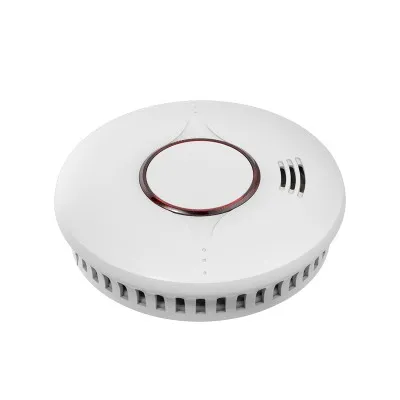
As a leading supplier of hardwired heat detectors, we offer a wide range of high-quality products that are designed to meet the needs of various applications. Our Thermal Fire Alarm is a reliable and cost-effective solution for detecting heat in commercial and industrial settings. This detector is designed to respond quickly to changes in temperature, providing early warning of a potential fire.
Our Heat Fire Detector is another popular product that is suitable for use in a variety of applications. This detector uses advanced optical technology to detect heat, providing a high level of sensitivity and reliability.
Finally, our AC Power Heat Detector is a powerful and durable detector that is designed to operate on AC power. This detector is ideal for use in large commercial and industrial buildings, where a reliable and continuous power supply is essential.
Contact Us for Procurement
If you are interested in purchasing hardwired heat detectors for your building or organization, we encourage you to contact us for more information. Our team of experts can help you select the right products for your specific needs and provide you with guidance on installation and maintenance. We are committed to providing our customers with the highest level of service and support, and we look forward to working with you to ensure the safety of your building and its occupants.


References
- National Fire Protection Association (NFPA) 72
- European Standard EN 54-5
- Local Building Codes


