

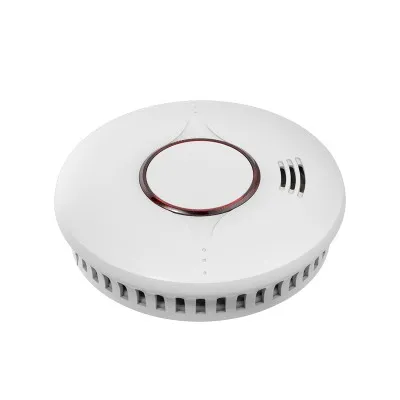




Hey there! As a supplier of Hardwired Heat Detectors, I often get asked if these bad boys can be used in basements. Well, let's dive right into it and find out.
First off, what exactly is a hardwired heat detector? It's a device that's directly connected to your electrical system. Unlike battery - operated detectors, it doesn't rely on batteries that can run out. This means it's always powered and ready to go, providing continuous protection. There are different types of heat detectors, but most work by sensing an increase in temperature. When the temperature reaches a certain threshold, they'll trigger an alarm, letting you know there might be a fire brewing.


Now, basements are a unique environment. They're usually cooler than the rest of the house because they're underground. Also, they tend to be more humid, and there can be all sorts of storage items down there. So, can a hardwired heat detector work in this kind of place?
One of the main advantages of using a hardwired heat detector in a basement is the constant power supply. Basements can sometimes be forgotten about, and if you're using a battery - operated detector, there's a risk that the batteries will die without you noticing. With a hardwired detector, you don't have to worry about that. It'll keep an eye on the temperature 24/7, whether you're down there every day or just once in a blue moon.
Another point to consider is the response time. In a basement, fires can start from various sources like old electrical wiring, stored chemicals, or even a forgotten candle. A hardwired heat detector can quickly sense the rise in temperature and alert you. This early warning can be crucial in preventing a small fire from turning into a big, dangerous blaze.
But it's not all sunshine and rainbows. There are some challenges when using a hardwired heat detector in a basement. The high humidity levels can be a problem. Moisture can cause corrosion in the detector's components over time, which might affect its performance. Also, the cool temperatures in basements can sometimes lead to false alarms. If the detector is set to a very low temperature threshold, normal temperature fluctuations in the basement might trigger it.
So, how do you choose the right hardwired heat detector for your basement? Well, you need to look for one that's designed to handle the unique conditions of a basement. For example, some detectors are built with moisture - resistant materials. These can withstand the dampness in the basement without getting damaged.
Let me tell you about some of the products we offer. We have the Heat Fire Detector. This detector uses advanced optical technology to sense heat. It's very reliable and can be a great option for basements. It's also hardwired, so you don't have to worry about power issues.
Then there's the BSI Wireless Heat Detector. Even though it's called wireless, it can still be hardwired if you want. It's a versatile option that can work well in basements. It has a good range and can communicate with other detectors in your home if you have a network set up.
And if you're looking for something with a specific power requirement, our 240V Heat Alarm might be the one for you. It's designed to work with a 240V electrical system, providing a stable power source for your basement protection.
When installing a hardwired heat detector in your basement, there are a few things to keep in mind. First, make sure you follow the manufacturer's instructions carefully. You need to mount the detector at the right height and in the right location. Usually, it's best to place it near the ceiling because heat rises. Also, make sure there's no obstruction around the detector that could block the airflow and affect its ability to sense heat.
After installation, you should test the detector regularly. Just press the test button to make sure it's working properly. And don't forget to clean it from time to time. Dust and dirt can accumulate on the detector, which might also affect its performance.
In conclusion, a hardwired heat detector can definitely be used in a basement. It offers many benefits like continuous power and fast response time. However, you need to be aware of the challenges such as humidity and potential false alarms. By choosing the right detector and following proper installation and maintenance procedures, you can ensure that your basement is well - protected from fires.
If you're interested in learning more about our hardwired heat detectors or are thinking about making a purchase, don't hesitate to reach out. We're here to help you find the best solution for your basement and your home. We can answer all your questions and guide you through the selection process. Whether you're a homeowner looking to protect your property or a contractor working on a new build, we've got the products and the expertise to meet your needs.
References
- Fire Protection Handbook, National Fire Protection Association
- Building Safety Codes related to heat detectors


