





As a supplier of smart home systems, I often get asked one burning question: "Is a smart home system secure?" It's a valid concern, considering that these systems are essentially a network of connected devices that can control various aspects of your home, from the lights and thermostats to the security cameras. In this blog post, I'll share my insights on the security of smart home systems, based on my experience in the industry.
Let's start by understanding how smart home systems work. At their core, these systems rely on a combination of hardware, software, and connectivity to function. The hardware includes devices like sensors, cameras, smart plugs, and hubs, which are all connected to your home's Wi-Fi network. The software, on the other hand, is the brain behind the system, allowing you to control and manage your devices through a mobile app or a voice assistant. And of course, the connectivity is what enables all these devices to communicate with each other and with the cloud.
Now, when it comes to security, there are a few potential risks associated with smart home systems. One of the biggest concerns is the vulnerability of the devices themselves. Since many smart home devices are connected to the internet, they can be targeted by hackers who are looking to gain access to your personal information or control your devices. For example, a hacker could potentially break into your smart camera and watch your every move, or they could take over your smart locks and gain entry to your home.
Another risk is the security of the network that your smart home devices are connected to. If your Wi-Fi network is not properly secured, hackers could easily intercept the data that is being transmitted between your devices and the cloud. This could include sensitive information like your passwords, credit card numbers, and even the video feeds from your security cameras.
So, how can you ensure that your smart home system is secure? Here are a few tips that I recommend:
1. Choose a reputable brand
When it comes to smart home devices, not all brands are created equal. Some brands have a better track record when it comes to security than others. Do your research and choose a brand that has a reputation for producing high-quality, secure devices.
2. Keep your devices up to date
Just like your computer and smartphone, your smart home devices need to be updated regularly to ensure that they have the latest security patches. Make sure to check for updates regularly and install them as soon as they become available.
3. Use strong passwords
One of the simplest ways to protect your smart home system is to use strong passwords for all your devices and accounts. Avoid using common passwords like "123456" or "password," and make sure to use a combination of letters, numbers, and symbols.


4. Secure your Wi-Fi network
Your Wi-Fi network is the gateway to your smart home system, so it's important to make sure that it is properly secured. Use a strong password for your Wi-Fi network, and enable features like WPA2 or WPA3 encryption to protect your data.
5. Be careful what you share
When using your smart home system, be careful what information you share with others. Avoid sharing your passwords or access codes with anyone, and make sure to only use trusted apps and services.
At our company, we take the security of our smart home systems very seriously. We use the latest encryption technologies to protect your data, and we regularly test our devices for vulnerabilities. We also offer a range of security features, such as two-factor authentication and remote access controls, to give you peace of mind.
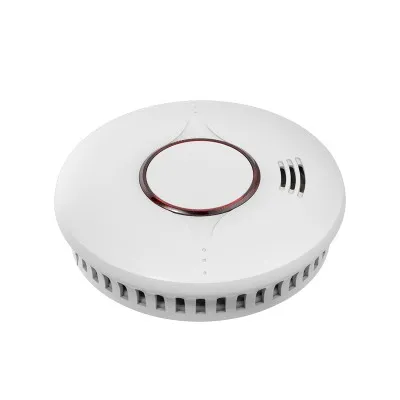
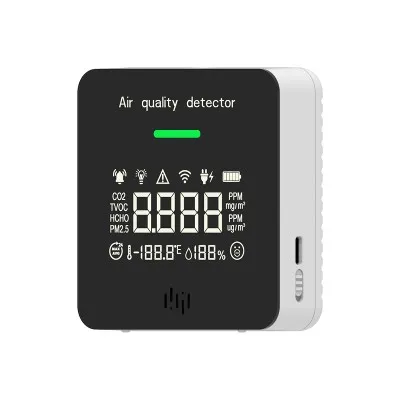
In addition to these security measures, we also offer a wide range of smart home devices that are designed to enhance the security of your home. For example, our Wifi Door Sensor can detect when a door or window is opened or closed, and send you an alert on your smartphone. Our Smart Home Wifi PIR Motion Sensor can detect motion in your home, and trigger your security cameras or lights. And our Smart Home Carbon Dioxide Alarm can detect high levels of carbon dioxide in your home, and alert you if there is a potential danger.
In conclusion, while there are some potential risks associated with smart home systems, these risks can be mitigated by taking the appropriate security measures. By choosing a reputable brand, keeping your devices up to date, using strong passwords, securing your Wi-Fi network, and being careful what you share, you can ensure that your smart home system is secure. And if you're looking for a reliable and secure smart home system, look no further than our company. We offer a wide range of high-quality smart home devices that are designed to meet your needs and protect your home.
If you're interested in learning more about our smart home systems or would like to discuss a potential purchase, please don't hesitate to reach out. Our team is here to answer any questions you may have and help you find the perfect solution for your home.
References:
- Various industry reports and studies on smart home security
- Personal experience and knowledge gained from working in the smart home system supply industry


