





Can a Smart Heat Detector be used in a bathroom?
As a supplier of smart heat detectors, I often receive inquiries from customers about the suitability of using these devices in various environments, and one common question is whether a smart heat detector can be used in a bathroom. In this blog post, I will delve into this topic, exploring the technical aspects, potential challenges, and benefits of using smart heat detectors in bathrooms.
Understanding Smart Heat Detectors
Before discussing their use in bathrooms, let's first understand what smart heat detectors are. Smart heat detectors are advanced safety devices designed to detect abnormal increases in temperature, which could indicate the presence of a fire. They are equipped with sensors that can monitor the ambient temperature continuously. When the temperature rises above a pre - set threshold, the detector triggers an alarm to alert occupants of the potential danger.
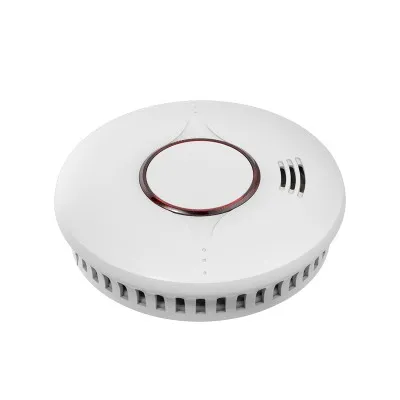
There are different types of smart heat detectors available in the market, each with its own features and power sources. For instance, we offer a Wireless Heat Detector that provides flexibility in installation as it does not require extensive wiring. It communicates wirelessly with other devices in a smart home system, allowing for easy integration and remote monitoring.
Another option is the Mains Power Heat Detector With Battery. This type of detector is powered by the mains electricity but also has a backup battery. This ensures continuous operation even during power outages, providing reliable protection at all times.


We also have Hard Wired Heat Alarms, which are directly connected to the electrical system of a building. These alarms are known for their stability and long - term performance.
Challenges of Using Smart Heat Detectors in Bathrooms
Bathrooms present a unique set of challenges when it comes to installing smart heat detectors. The most significant challenge is the high humidity levels typically found in bathrooms. Steam from hot showers and baths can cause moisture to accumulate on the detector's sensors. This moisture can interfere with the proper functioning of the sensors, leading to false alarms or even damage to the device over time.
In addition, the temperature in a bathroom can fluctuate rapidly during normal use. For example, when taking a hot shower, the temperature can rise significantly within a short period. These normal temperature fluctuations may be misinterpreted by the heat detector as a sign of a fire, triggering unnecessary alarms.
Another concern is the presence of water splashes. In a bathroom, there is a risk of water splashing onto the heat detector, especially if it is installed in a location close to the shower or bathtub. Water can cause short - circuits in the electrical components of the detector, rendering it inoperable.
Solutions to Overcome Challenges
Despite these challenges, there are ways to use smart heat detectors effectively in bathrooms. Firstly, it is crucial to choose a heat detector that is specifically designed to withstand high humidity. Some smart heat detectors come with moisture - resistant coatings or enclosures that protect the internal components from moisture damage. These detectors are built to operate reliably in humid environments without being affected by steam or water splashes.
Proper installation is also key. The heat detector should be installed at a suitable height and location in the bathroom. It is recommended to install the detector away from direct sources of steam, such as the showerhead or bathtub. A good rule of thumb is to install the detector at least 3 feet (about 0.9 meters) away from the shower or bathtub. Mounting the detector on the ceiling rather than on the wall can also help reduce the risk of water splashes and ensure better air circulation around the device.
In addition, modern smart heat detectors often come with advanced algorithms that can distinguish between normal temperature fluctuations in a bathroom and the rapid temperature rise associated with a fire. These algorithms analyze the rate of temperature change over time, allowing the detector to ignore minor temperature variations caused by normal bathroom use while still detecting real fire threats accurately.
Benefits of Using Smart Heat Detectors in Bathrooms
Despite the challenges, there are several compelling reasons to use smart heat detectors in bathrooms. Safety is the most obvious benefit. Bathrooms are areas where people are often vulnerable, especially when they are alone or in a state of relaxation. A fire in a bathroom can spread quickly, and having a reliable heat detector can provide early warning, giving occupants more time to evacuate safely.
Smart heat detectors can also be integrated with other smart home devices. For example, when the heat detector is triggered, it can send a notification to the homeowner's smartphone, regardless of their location. This allows the homeowner to take immediate action, such as calling the fire department or checking on the situation remotely.
Furthermore, some smart heat detectors can be connected to a home automation system. When a fire is detected, the system can automatically turn off the power supply to the bathroom, reducing the risk of electrical fires spreading. It can also open windows or activate ventilation fans to remove smoke, improving the overall safety of the environment.
Conclusion
In conclusion, while there are challenges associated with using smart heat detectors in bathrooms, with the right choice of device and proper installation, it is entirely possible to use them effectively. By selecting a moisture - resistant detector, installing it in a suitable location, and taking advantage of advanced algorithms, homeowners can enjoy the benefits of enhanced safety in their bathrooms.
If you are considering installing a smart heat detector in your bathroom or any other area of your home, we are here to help. Our team of experts can provide you with professional advice on the best type of detector for your needs and ensure proper installation. Contact us to discuss your requirements and start protecting your home and loved ones today.
References
- National Fire Protection Association (NFPA). NFPA 72: National Fire Alarm and Signaling Code.
- Underwriters Laboratories (UL). UL 521: Standard for Heat Detectors for Fire - Alarm Systems.


