

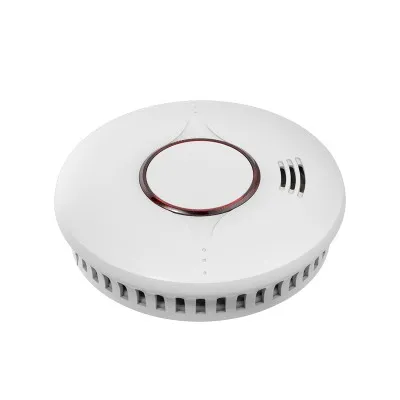


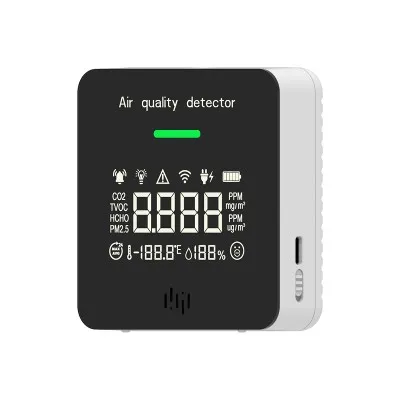


Hey there! As a carbon monoxide detector supplier, I get a ton of questions about how these life - saving devices work, especially when it comes to multi - station carbon monoxide detectors and how they communicate with each other. So, let's dive right in and break it down.
First off, why do we even need multi - station carbon monoxide detectors? Well, carbon monoxide (CO) is a silent killer. It's an odorless, colorless gas that can be produced by faulty furnaces, gas stoves, or even a blocked chimney. Having multiple detectors in different areas of a building, like in the link text: Carbon Monoxide Detector In Kitchen, living room, and bedrooms, increases the chances of detecting CO quickly. But if one detector goes off, it's crucial that all the others do too to ensure everyone in the house is alerted.
Wired Communication
One of the most common ways multi - station carbon monoxide detectors communicate is through a wired connection. In a hard - wired system, the detectors are physically connected to each other using electrical wires. This is similar to how other systems in a building, like the lighting, are connected.
When a detector senses elevated levels of carbon monoxide, it sends an electrical signal through the wires to the other connected detectors. This signal triggers an alarm in all the detectors in the network. Wired systems are incredibly reliable because the signal transfer is direct and not affected by things like interference from other wireless devices. However, they do require professional installation, which can be a bit of a hassle and more expensive upfront.
The advantage of using wired communication between the detectors becomes clear in large buildings. For instance, in an office complex, a wired multi - station system can cover multiple floors and numerous rooms. The detectors can be connected in a daisy - chain pattern. That means each detector passes the signal along to the next one in the line until all the detectors in the system are activated. This way, even if you're on the far end of a long hallway or on a different floor, you'll still be alerted if there's a CO leak somewhere in the building.
Wireless Communication
Wireless communication is another popular option for multi - station carbon monoxide detectors. There are a few different ways this can work, but the most common is through radio frequency (RF) technology.
Each detector in a wireless multi - station system has a built - in RF transceiver. When a detector detects high levels of CO, it sends out a radio signal on a specific frequency. The other detectors in the system are tuned to listen for this signal. Once they receive it, they sound their alarms.
Wireless systems are great because they're easy to install. You don't need to run wires through walls and ceilings, which saves time and money. You can place the detectors wherever you need them without having to worry about running wires across long distances. For example, if you want to add a detector in a shed or a garage that's separate from the main house, a wireless detector can be easily installed without the need for complex wiring.
However, wireless systems do have some drawbacks. They can be affected by interference from other electronic devices that operate on similar frequencies. Things like Wi - Fi routers, cordless phones, and baby monitors can sometimes disrupt the signal between the detectors. Also, the range of the RF signal can be limited. If the detectors are too far apart or there are too many obstacles between them, the signal might not be able to reach all the detectors in the system.
ZigBee and Z - Wave Technologies
Some advanced multi - station carbon monoxide detectors use ZigBee or Z - Wave technologies for communication. These are low - power, wireless mesh networking protocols.
In a ZigBee or Z - Wave system, the detectors form a network where each device can act as a router. This means that if one detector senses CO and sends a signal, it can be relayed through multiple other detectors in the network until it reaches all the devices. This mesh network approach is really useful because it can overcome some of the range limitations of traditional RF wireless systems. Even if there are walls or other obstacles between the detectors, the signal can find a way through the network.
These technologies are also energy - efficient. The detectors can use very little power to communicate, which is great for battery - operated models like our link text: EN50291 CO Detector and link text: CO Detector Stand On Table. This means longer battery life and less frequent battery changes.
Interoperability and Standards
When it comes to multi - station carbon monoxide detectors, interoperability is a big deal. You want all the detectors in your system to be able to communicate with each other, regardless of the brand or model. That's where standards come in.
There are industry standards that ensure detectors can work together. For example, in Europe, the EN50291 standard covers the requirements for carbon monoxide detectors and their communication capabilities. Our link text: EN50291 CO Detector meets these standards, which means it can be integrated into a multi - station system with other EN50291 - compliant detectors. This gives you the flexibility to choose the detectors that best fit your needs and still have them work together seamlessly.
The Importance of Testing and Maintenance
No matter how your multi - station carbon monoxide detectors communicate, it's crucial to test and maintain them regularly. You should test the alarms on each detector at least once a month to make sure they're working properly. If you have a wired system, check the wiring periodically for any signs of damage. For wireless systems, make sure the batteries are fresh and the signal strength is good. Some detectors have self - diagnostic features that can help you identify any issues quickly.
In addition to regular testing, you might also want to consider having a professional inspection done every few years. A professional can check the overall performance of your multi - station system and ensure that all the detectors are communicating as they should.
Conclusion
In conclusion, multi - station carbon monoxide detectors are an essential safety feature for any building. Whether they communicate through wired connections, wireless RF, ZigBee, or Z - Wave, the goal is the same: to quickly and effectively alert everyone in the building if there's a carbon monoxide leak.
If you're in the market for carbon monoxide detectors for your home or business, we've got a wide range of options to choose from. Our products are designed to be reliable, easy to install, and compliant with industry standards. Whether you need a link text: Carbon Monoxide Detector In Kitchen or a detector for your office, we've got you covered.
If you have any questions or you're interested in purchasing our products, don't hesitate to reach out. We're here to help you make the right choice for your safety.
References

- National Fire Protection Association. (Year). Carbon monoxide safety guidelines.
- European Committee for Standardization. (Year). EN50291: Requirements for carbon monoxide detectors.


