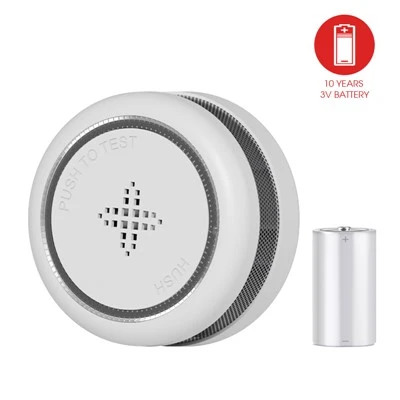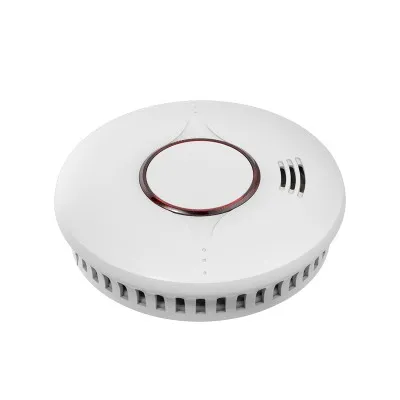




Wireless or not? That is the question. This means that for an average home like yours, you need to install fully interconnected photoelectric smoke alarms in bedrooms, hallways, and living areas. The good news is that if you want wireless smoke alarms, the new regulations will not be a problem.
So, whether it is wireless smoke alarms or wired smoke alarms, the important thing is that they are both using cutting-edge photoelectric technology and each smoke alarm communicates with all other smoke alarms, so if one of them detects a fire, all smoke alarms will trigger at the same time. In the case of wireless smoke alarms, the communication method between all smoke alarms is through radio frequency signals, while wired interconnected systems use the home electrical system to connect.

Wirelessly connected smoke alarms – Pros and Cons
Which way should you choose to connect your smoke alarm: wireless or wired? Let's take a closer look:
Pros 1: Installation
Forget running wires through walls, ceilings and floors – because knowing how to install a wireless smoke alarm is simple and easy. Simply:
Choose the best location
Make sure the smoke alarm is fully wirelessly integrated into the connected network
Mount the bracket
Follow the connection instructions for your smoke alarm.
Pros 2: Flexible placement
Just make sure to comply with the new Queensland laws and place your wireless smoke alarms anywhere you like! There's no need to wire them to your home's electrical system or place them near sockets or wires. As long as the law allows, choose your location!
Pros 3: Fully connected
Just like fully wired smoke alarms, wireless versions are fully able to interconnect with other wireless smoke alarms. Instead of using a wired connection, they use radio frequency signals to communicate with each other, so when smoke triggers one of them, all of them start screaming in unison. Even better, some wireless smoke alarms can even send alerts to smart home systems or smartphones, so you can know if a smoke problem is brewing even when you're not home.
Pros 4: Low maintenance
While Queensland's new laws do mention hardwiring to the home mains, the alternative is a non-removable 10-year lithium battery. This means that once in place, you can essentially forget about your wireless smoke alarm for a full decade, other than periodically pressing the 'test' button. No need to connect to the wires also means there's less potential for things to go wrong – including wire damage and corrosion – compared to a fully hardwired smoke alarm.
Wireless Smoke Alarms – Cons
There are also some potential 'cons' to wireless smoke alarms to consider.
- Cost: Wired smoke alarms are cheaper because they don't require a radio transmitter and receiver.
- Range: Wireless smoke alarms also have a limited range - usually around 30 meters or so, which isn't a problem for most homes. While range is obviously not an issue with wired alarms, the latest wireless products have advanced networking features that can reroute signals to weak spots.
Interference: Any wireless product is also susceptible to signal interference, although the latest models use specialized low-interference radio frequencies and other built-in mechanisms to overcome such issues.