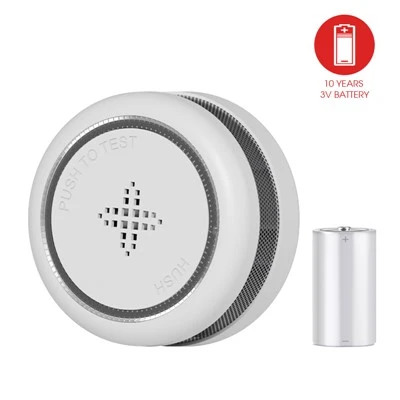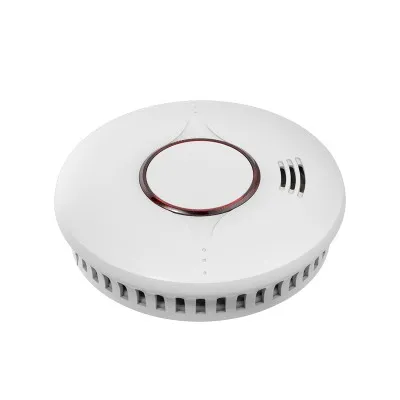




Smoke detectors are crucial safety devices that are designed to detect the presence of smoke and alert occupants in case of a fire. Cameras, on the other hand, are used for surveillance and recording visual information. The idea of combining smoke detectors with cameras is an interesting concept that has both potential benefits and concerns.
1. Potential Benefits
A. Enhanced Monitoring
- In some large or complex buildings such as warehouses or multi - story commercial buildings, having a camera integrated with a smoke detector could provide more detailed information about the area where smoke is detected. For example, it could help firefighters or building managers to quickly assess the situation and determine the source of the smoke. This could be especially useful in situations where there are multiple potential sources of fire or in areas that are difficult to access .
- In a home security context, a smoke detector - camera combination could offer homeowners an additional layer of security. If the smoke detector is triggered, the camera could start recording immediately, providing visual evidence of what might be causing the smoke, whether it's a faulty appliance or a more serious situation like arson.
B. False Alarm Reduction
- Cameras can be used to verify if the smoke detected is a real threat or just a false alarm. For instance, if the smoke detector is set off by something harmless like cooking fumes, the camera can show that there is no actual fire hazard. This could save time and resources that would otherwise be wasted on responding to false alarms .
2. Technical and Design Considerations
A. Size and Space
- Traditional smoke detectors are relatively small and are designed to fit unobtrusively on ceilings or walls. Adding a camera component would require careful consideration of size and space. The device would need to be compact enough to still be easily installed in the same locations as regular smoke detectors without being too bulky or obtrusive.
- There would also be a need to ensure that the camera's field of view is not obstructed by the smoke detector's housing or other components.
B. Power Requirements
- Smoke detectors typically run on batteries or are hard - wired into a building's electrical system. Adding a camera would likely increase the power requirements. This could pose a challenge, especially for battery - operated smoke detectors. Solutions might include using more efficient camera technology or developing new power sources that can support both the smoke detection and camera functions.
3. Privacy and Ethical Concerns
A. Privacy Invasion
- One of the main concerns with having cameras in smoke detectors is privacy. In private spaces such as homes or personal offices, people may not be comfortable with the idea of a camera constantly monitoring them, even if it is primarily for smoke detection purposes. There would need to be strict regulations and safeguards in place to ensure that the camera is only activated when there is a legitimate smoke - related event and that the footage is not misused or accessed without proper authorization.
- In public or shared spaces, such as apartment buildings or workplaces, there would also be privacy considerations. Tenants or employees may have concerns about being constantly monitored, and it would be necessary to balance the security benefits with their privacy rights.
B. Data Security
- The footage captured by the camera in the smoke detector would need to be stored securely. There is a risk of data breaches, where unauthorized individuals could access the video recordings. This could potentially expose personal or sensitive information. Adequate encryption and data protection measures would need to be implemented to safeguard the privacy of those being monitored.
In conclusion, while the concept of smoke detectors having cameras has some appealing aspects in terms of enhanced safety and security, there are also significant technical, privacy, and ethical issues that need to be addressed. With proper design, regulation, and security measures, it could potentially be a useful innovation in the future of building safety and security. However, until these concerns are fully resolved, it may be difficult to widely implement such a combination.