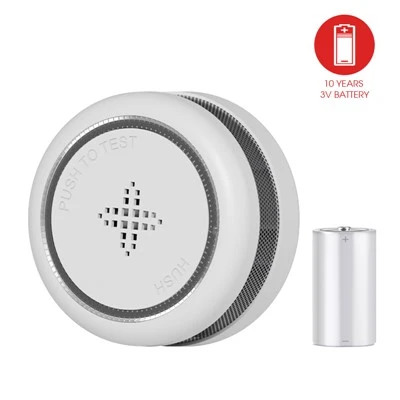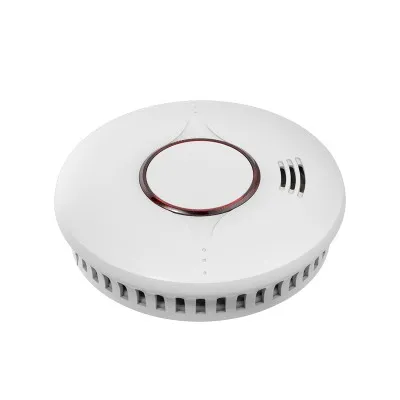


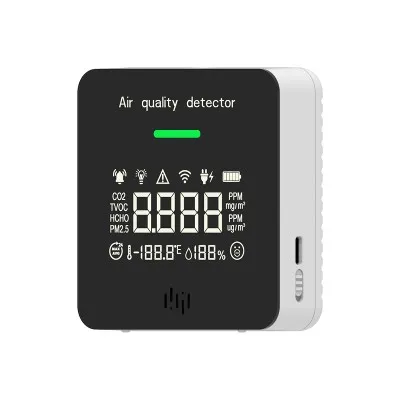


1. Types and principles of thermal detectors
There are many types of thermal detectors. Common thermal induction detectors mainly use infrared radiation emitted by the human body to detect. Based on this principle, it has a certain flexibility in installation methods. Thermal detectors are designed mainly to detect temperature changes or specific thermal radiation conditions, and their functions are not limited to a certain installation method.
2. Feasibility of wall-mounted installation
1. Structural design
- From the structure of the thermal detector itself, many thermal detectors are designed with multiple installation scenarios in mind, including wall-mounted installation. They usually have a relatively lightweight structure, and are provided with mounting holes or slots on the back or side for easy fixing on the wall. For example, some household thermal detectors have a relatively simple shell design and can be easily mounted on the wall by screws or adhesives.
2. Functional implementation
- Wall-mounted installation will not affect the basic functions of the thermal detector. Thermal detectors mainly detect thermal signals in the surrounding environment. Whether they are installed on the ceiling or on the wall, they can work normally as long as their detection area is not blocked. In security monitoring scenarios, if the thermal detector is mounted on the wall at an appropriate height, it can effectively detect the activity trajectory and body temperature changes of people within its detection range.
III. Precautions for wall-mounted installation
1. Height selection
- The height of the wall-mounted installation should be determined according to the detection range and usage scenario of the thermal detector. If it is used to detect indoor human activities, it is generally recommended to install it at a height of about 1.5-2 meters from the ground, so that the main area of human activities can be better covered. Different thermal detectors have different detection ranges. For example, the common detection range of thermal induction detectors is about 2-3 meters. Too high or too low installation height may lead to the appearance of detection blind spots.
2. Avoid obstruction
- Make sure that there are no obstacles around the wall-mounted installation location that block the detection area of the thermal detector. For example, it cannot be installed near large furniture or hanging objects, because these objects may block the propagation of thermal radiation, thereby affecting the accuracy of the thermal detector. Similarly, thermal detectors cannot be installed in corners and other locations that are easily blocked by objects.
3. Environmental factors
- Consider the surrounding environmental factors when wall-mounted. Avoid installing thermal detectors near heaters or air conditioner outlets, as drastic temperature changes may interfere with the normal operation of the thermal detector. It should also not be installed directly in direct sunlight, as heat changes caused by sunlight may cause false alarms.
In summary, thermal detectors can be wall-mounted, but the various matters mentioned above need to be paid attention to during installation to ensure that they can function normally.