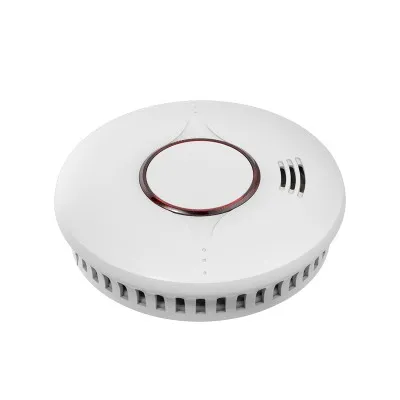




Heat detectors play a crucial role in fire safety systems by detecting the presence of heat, which can indicate the occurrence of a fire. When it comes to their installation, there are different options available, including hard-wired and wireless systems. In this article, we will explore whether heat detectors have to be hard-wired and discuss the advantages and disadvantages of each option.
Hard-Wired Heat Detectors
Hard-wired heat detectors are directly connected to a building's electrical system. They typically require professional installation, as they involve running wires through walls or ceilings to connect the detectors to a central control panel. These detectors often form part of a larger fire alarm system, providing an integrated approach to fire detection and alerting.
Advantages of Hard-Wired Heat Detectors:
1. Reliable Power Supply: Hard-wired heat detectors receive a constant power supply from the building's electrical system. This ensures that the detectors are always active, even during power outages, as long as the main power source remains functional.
2. Enhanced Connectivity: Being part of a wired system allows for seamless integration with other fire safety devices, such as smoke detectors, alarm panels, and sprinkler systems. This interconnectedness enhances overall fire safety by enabling coordinated responses in case of a fire.
3. Reduced Maintenance: Hard-wired systems generally require less maintenance compared to wireless counterparts. Since they rely on wired connections, they are less susceptible to battery failures or wireless signal interruptions.
Disadvantages of Hard-Wired Heat Detectors:
1. Installation Complexity: Installing hard-wired heat detectors can be challenging and time-consuming, especially in existing buildings. It requires running wires through walls, ceilings, or floors, which may involve drilling holes or opening up walls.
2. Limited Flexibility: Once installed, hard-wired detectors are fixed in their designated locations. If you need to relocate them or add additional detectors, it would require further wiring modifications, making it less adaptable to changing layouts or requirements.
Wireless Heat Detectors
Wireless heat detectors operate independently of the building's electrical system. They rely on batteries or alternative power sources, such as solar panels, to function. These detectors communicate wirelessly with a central control panel or other connected devices.
Advantages of Wireless Heat Detectors:
1. Easy Installation: Wireless heat detectors can be quickly and easily installed without the need for extensive wiring. They are particularly advantageous in retrofit scenarios or areas where running wires is impractical or impossible.
2. Flexibility and Scalability: Wireless systems offer greater flexibility in terms of placement and relocation. If you need to move a detector or add additional ones, it can be done effortlessly without modifying the infrastructure.
3. Cost-Effective: Wireless heat detectors eliminate the need for expensive wiring and conduit installations, reducing overall installation costs. They also provide a cost-efficient solution for large or complex buildings where running wires throughout the structure may be prohibitively expensive.
Disadvantages of Wireless Heat Detectors:
1. Battery Dependency: Wireless detectors rely on batteries, which need periodic replacement. Failure to replace batteries timely can result in non-functional detectors, compromising fire safety.
2. Signal Interference: Wireless systems may be susceptible to signal interference from other electronic devices or physical obstructions within the building. This can potentially disrupt communication between detectors and the central control panel.
3. Limited Range: Wireless heat detectors have a limited range of communication. Depending on the building's size and layout, additional repeaters or signal boosters may be required to ensure reliable connectivity throughout the premises.
Conclusion
In conclusion, heat detectors do not necessarily have to be hard-wired. Both hard-wired and wireless options offer distinct advantages and disadvantages. Hard-wired systems provide reliable power and enhanced connectivity, while wireless systems offer easy installation, flexibility, and cost-effectiveness. The choice between the two depends on factors such as the building's structure, budget, and specific fire safety requirements. It is advisable to consult with fire safety professionals to determine the most suitable option for your particular situation.