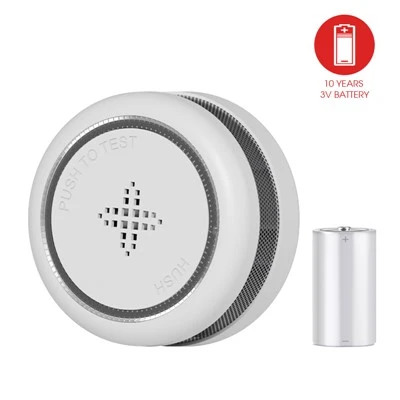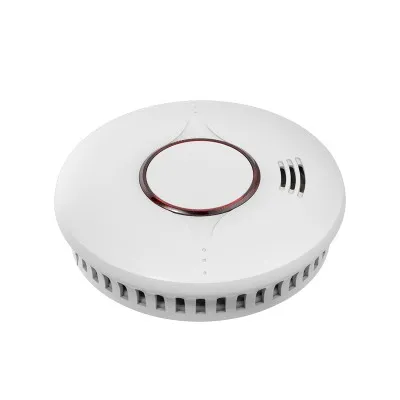


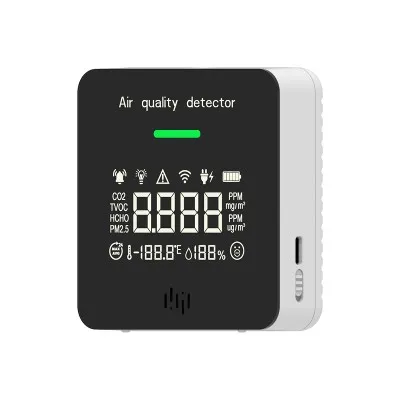


As an important safety device, the maintenance cycle of thermal detectors is crucial to ensure their long-term stable operation. Here are some recommendations for the maintenance cycle of thermal detectors based on search results:
1. Regular calibration
The calibration cycle of thermal detectors is generally recommended to be no more than one year. This is because over time, the detector may drift, resulting in a decrease in its detection accuracy. Regular calibration can ensure the accuracy of the detector and avoid false alarms or missed alarms.
2. Cleaning and inspection
The cleaning and inspection of thermal detectors are also very important. It is recommended to check at least once every three months to see if there is dust, dirt or other substances attached to the surface of the detector. These substances may affect the sensitivity of the detector and even cause false alarms. At the same time, check whether the installation position of the detector has changed and whether there are other objects blocking the field of view of the detector.
3. Replace consumables
Although the thermal detector itself may not need to be replaced frequently, some of its internal consumables may need to be replaced regularly. For example, the battery life is usually around 2-3 years and needs to be replaced regularly to ensure the normal operation of the detector. In addition, if the detector uses a specific type of sensor, it also needs to be replaced according to the manufacturer's recommendations.
4. Software Updates
For thermal detectors with intelligent algorithms, software updates are also part of maintenance. New software versions may bring better performance and higher accuracy. Therefore, it is recommended to check the software version of the detector regularly and update it according to the manufacturer's recommendations.
In summary, the maintenance cycle of thermal detectors should include regular calibration, cleaning and inspection, as well as necessary consumable replacement and software updates. The specific maintenance cycle may vary depending on the type of detector and the environment in which it is used, so it is best to refer to the manufacturer's recommendations for maintenance.