



With the popularization of fire safety awareness, fire alarms have become essential safety facilities for homes and commercial places. Reasonable arrangement of fire alarms is the key to ensuring the safety of the whole house and timely warning of fire. As a supplier, understanding scientific and reasonable arrangement plans not only improves the professionalism of product recommendations, but also helps to create a more complete safety system for customers.
1. Basic principles of fire alarm layout
Covering all key areas
Bedroom: People are slow to react to fire during sleep, and alarms should be installed in and near the bedroom to ensure timely alarms.
Kitchen and dining room: It is prone to oil smoke and open flames, but special smoke detectors with anti-false alarms or temperature sensors should be selected.
Living room and corridor: As the main passages to each room, alarms are arranged to ensure that the fire is discovered as soon as possible.
Stairwells and basements: areas where fire may spread rapidly, the layout of alarms cannot be ignored.
Avoid blind spots and dead angles
The installation height of the alarm should be about 10-30 cm from the ceiling, avoiding fans, air conditioning outlets and areas with slow smoke flow to avoid false alarms or missed alarms.
Reasonable spacing arrangement
According to the building area and room layout, usually at least one alarm is installed in each room. Corridors and large spaces need to increase the number according to the area to avoid safety blind spots.
2. Layout points of different types of fire alarms
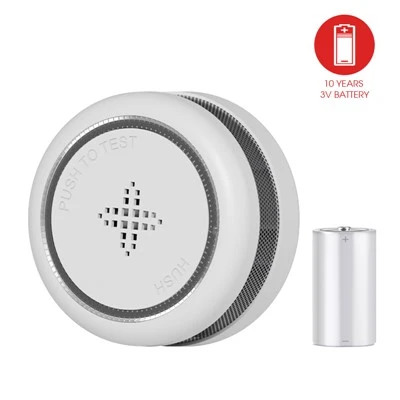
Smoke alarm: suitable for living rooms, bedrooms, corridors, high sensitivity, timely detection of smoke.
Temperature alarm: suitable for environments such as kitchens and garages that are prone to smoke but not necessarily fire, reducing false alarms.
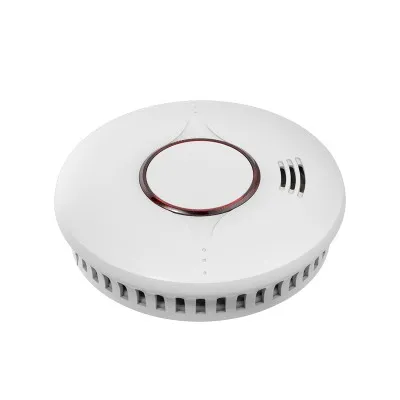
Composite alarm: integrates smoke and temperature detection, has a wide range of applications and flexible layout.
Suppliers should recommend suitable types according to the customer's use environment and guide reasonable installation locations.
3. Intelligent network alarm system helps the safety of the whole house
Modern fire alarms are mostly equipped with intelligent networking functions to achieve multi-point linkage and remote monitoring:
Multi-point linkage alarm: When a fire is detected in one place, all alarms will alarm simultaneously to improve the warning effect.
Mobile APP push: Users can receive alarm information in real time even when they are out, and take timely measures.
Linkage with fire equipment: Some systems can be linked with sprinkler and ventilation systems to improve fire extinguishing and smoke exhaust efficiency.
Suppliers can use the advantages of intelligent technology to provide customers with overall solutions and enhance competitiveness.
4. How can suppliers help customers reasonably arrange alarms?
Professional consulting services: Provide customized layout solutions based on customer house types and usage needs.
Provide installation guidance and training: Ensure that product installation complies with regulations and improve the use effect of alarms.
After-sales support guarantee: Regularly maintain and test alarm functions to ensure long-term effective operation.
Conclusion
Reasonable arrangement of fire alarms is the basis for ensuring the safety of the whole house. Suppliers can build a solid safety line for customers and win customer trust and market share by mastering scientific layout principles, recommending suitable products and intelligent solutions.