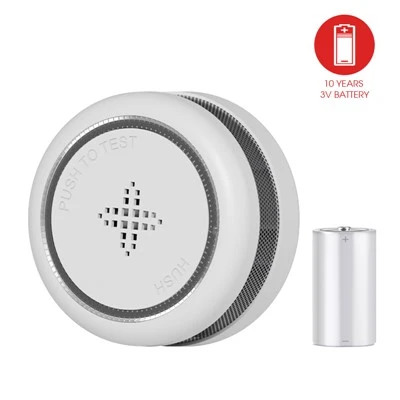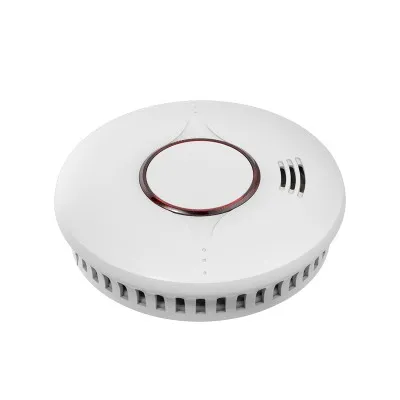


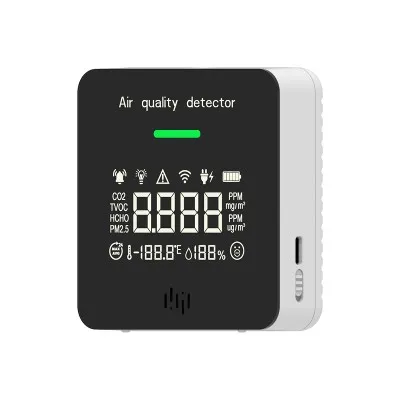


As a sudden disaster, fire poses a huge threat to life and property safety. As an early warning device, fire alarms play a vital role in the early stages of a fire. Suppliers not only need to understand the technical performance of the alarm, but also need to deeply understand its application value in actual fires, and convey effective escape and self-rescue knowledge to customers to improve the overall safety level.
1. The key role of fire alarms
Early detection of fires to gain escape time
Fire alarms can quickly detect smoke, flames or abnormal temperatures, and issue sound and light alarms at the first time. Remind residents or staff in time to gain precious escape and rescue time.
Reduce casualties and property losses
Through early warning, people can evacuate quickly, reduce the risk of casualties, and at the same time, fire extinguishing equipment can be activated or the fire department can be called to curb the spread of fire and reduce property losses.
Linking intelligent systems to improve overall protection efficiency
Modern fire alarms are often linked with smart homes and fire protection systems to achieve automatic alarm, smoke exhaust, sprinkler and other linkage controls, and comprehensively improve fire response capabilities.
2. Escape and self-rescue guide: life protection at critical moments
Suppliers can promote the following basic escape and self-rescue knowledge through product promotion and customer education:
Keep calm and quickly determine the escape route
In case of a fire alarm, you should respond quickly and do not panic. Familiarize yourself with the safety exits and escape routes in advance, and choose a smoke-free and unobstructed route to evacuate.
Move forward with a low posture to prevent smoke suffocation
Fire produces a lot of toxic smoke. It is advisable to squat or crawl forward, breathe air close to the ground, and avoid inhaling harmful gases.
Use a wet towel to cover your mouth and nose to block smoke
Cover your mouth and nose with a wet towel or cloth to effectively filter smoke and reduce the feeling of suffocation.
Close doors and windows to prevent the spread of fire
If you cannot escape temporarily, you should close the doors and windows of the room you are in, block the gaps, prevent fire and smoke from entering, and wait for rescue.
Do not take the elevator
When a fire occurs, the elevator may lose power or malfunction, so you should choose a safe staircase to escape.
Call the police for help in time
After escaping from the safe area, call the fire alarm immediately to report the fire.
III. Suppliers' responsibilities and opportunities
Promote high-performance fire alarms to enhance customers' safety protection capabilities.
Cooperate with customers to carry out safety training and publicity to improve users' awareness of self-rescue and escape.
Create intelligent linkage solutions to meet the diversified needs of the high-end market.
Strengthen after-sales service and technical support to ensure long-term and reliable operation of the alarm.
Through all-round services, suppliers can not only expand the market space, but also establish industry reputation and become a trusted partner in the field of security.
Conclusion
Fire alarms play the role of "life guardians" in fire prevention and control, and cooperate with scientific escape and self-rescue measures to greatly enhance fire response capabilities. Suppliers should give full play to their professional advantages to help customers build a safe, intelligent and reliable fire protection system to jointly protect the safety of life and property of thousands of households.