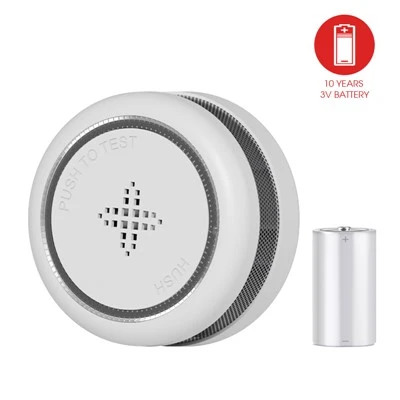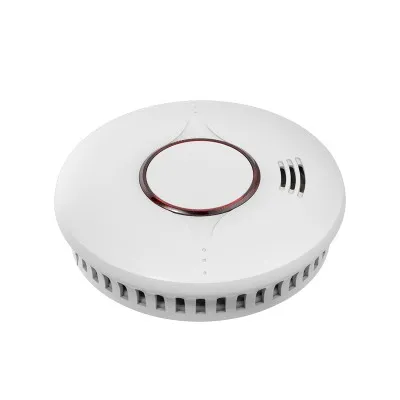




Smoke detectors are a lifeline in the event of a fire, providing an early warning that can make all the difference. Yet, when these devices start their persistent beeping, it can cause significant distress. The noise, which often surpasses the 85-decibel mark, is not only a nuisance but can also be distressing to your ears. The relief comes in knowing that the majority of these alerts are simply a call for fresh batteries. Below is a concise guide on how to replace your smoke alarm battery, a crucial task for maintaining a safe and peaceful home environment.
Firstly, identify the type of smoke detector you have, as both hardwired and battery-operated models require periodic battery changes. Begin by turning off the power to hardwired detectors at the circuit breaker for safety. Next, carefully remove the detector from its mounting bracket and take off the cover, which may involve twisting, snapping, or using a screwdriver. Once the cover is off, you'll see the battery compartment.
Remove the old battery, noting its type and the orientation of the positive and negative connections. This information is vital for inserting the new battery correctly. Choose a new battery of the same type and ensure the positive and negative ends align with the detector's markings. Replace the cover, reattach the detector to its base, and restore power if necessary.
Finally, test the smoke detector by pressing the test button. A functioning alarm should emit a loud sound, confirming the battery replacement was successful. Regular battery changes and maintenance are key to ensuring your smoke detectors are always ready to protect your home and family from fire emergencies.
Why Do Smoke Alarms Make a Beeping Noise?
Smoke alarms are designed to be attention-grabbing, and the beeping noise is one way to ensure you notice a potential fire hazard. The beeping typically indicates one of two things: the battery is low and needs replacement, or the smoke alarm itself is reaching the end of its lifespan and should be replaced. In most cases, simply changing the battery will silence the alarm and restore its functionality.
Understanding Different Types of Smoke Detectors
Before you proceed with battery replacement, it's important to know the type of smoke detector you have. There are two main types: hardwired and battery-operated.
Hardwired Smoke Detectors: These detectors are connected to your home's electrical system, providing continuous power. However, they also have a backup battery that needs to be replaced periodically. In the event of a power outage, the backup battery ensures the smoke detector remains operational.
Battery-Operated Smoke Detectors: These detectors rely solely on batteries for power. Without a functioning battery, they won't work at all. It's crucial to change the battery regularly to maintain their effectiveness.
How to Replace Your Smoke Alarm Battery
Follow these step-by-step instructions to replace your smoke alarm battery safely and efficiently:
Remove the Smoke Detector Cover
First, locate your smoke detector and refer to the user's manual for specific instructions. If you're dealing with a hard-wired smoke detector, begin by shutting off the power at the circuit breaker to prevent any electrical hazards.
Next, take down the smoke detector from its mounting bracket. Depending on the model, you may need to twist, snap, or use a screwdriver to remove the cover. Exercise caution and gentle handling to avoid damaging the detector.
Remove the Old Battery from the Detector
With the cover off, you'll have access to the battery compartment. Take out the old battery, noting its type (9v, AA, or lithium) and the orientation of the negative and positive connections. This information will be crucial when inserting the new battery.
While you have the smoke detector open, inspect it for any signs of damage, such as broken pieces, loose wiring, or a leaking battery. If you find any issues, it may be time to replace the entire smoke detector for your safety.
Insert the New Battery
Now that you have removed the old battery, it's time to insert the new one. Always use a fresh battery and ensure it's the correct type for your smoke detector. If you're unsure, consult the user's manual.
When placing the new battery, pay close attention to the negative and positive connections. The battery and the smoke detector should have clear markings (+) for positive and (-) for negative. Align these markings to ensure a proper connection.
Reattach to Base and Test the Detector
Once the new battery is securely in place, reattach the cover to the smoke detector. If you have a hard-wired system, remember to turn the power back on at the circuit breaker.
Now, it's time to test the smoke detector. Most models have a test button on the outside. Press and hold the button for a few seconds. If the alarm sounds, the battery has been installed correctly, and the smoke detector is functioning properly.
If the test fails, double-check that you used the correct battery and that the connections are aligned. If the issue persists, try a different battery. If the smoke detector still doesn't work, it may be time to replace the entire unit.
Regular Maintenance for Smoke Detectors
Replacing the battery in your smoke detector is not just a one-time task. Regular maintenance is crucial for ensuring your smoke detectors remain effective. Here are some tips for maintaining your smoke detectors:
Change the batteries at least once a year. A good practice is to change them when you set your clocks forward for daylight saving time in the spring or backward in the fall.
Clean your smoke detectors regularly by vacuuming or dusting them to remove cobwebs and dust.
Test your smoke detectors monthly to ensure they are functioning correctly.
Replace your smoke detectors every 10 years or as recommended by the manufacturer.
By following these steps and maintaining your smoke detectors, you can keep your home safe from fire hazards and avoid the annoyance of a beeping smoke alarm. Remember, a functioning smoke detector can save lives, so don't neglect this important aspect of home safety.