



Smoke detectors and fire alarms may be some of the most important items in your home when it comes to your family's safety. These early warning devices may help alert your family to fire and dangerous smoke while there is still time to evacuate, but they need to be periodically tested to help ensure proper function.
Electronic devices are not infallible. Batteries die, and other parts of the smoke detector can wear out over time. Testing them regularly and replacing batteries (or the entire device) is one way to help ensure your family stays safe should there be a fire in your home.
Regular maintenance of smoke detectors is an essential component of home safety, as they serve as the first line of defense against the dangers of fire. The U.S. Fire Administration (USFA) provides clear guidelines on how often smoke detectors should be tested and when batteries should be replaced to ensure they are always in working order.
Testing Frequency: According to the USFA, smoke detectors should undergo a monthly test to confirm they are functioning correctly. This simple yet crucial step can mean the difference between life and death in the event of a fire. To establish a routine, many people find it helpful to coordinate the testing of their smoke detectors with the changing of clocks for daylight saving time, which occurs in the spring and fall. This biannual event serves as a natural reminder to check the detectors and replace the batteries if necessary.
Battery Replacement: Batteries in smoke detectors should be replaced at least once a year, but in households where the detectors are subject to more frequent use or in environments with conditions that may drain the batteries more quickly, replacing them twice a year could be more appropriate. It's important to use fresh batteries and to avoid reusing old ones, as they may not hold a charge long enough to be reliable in an emergency.
Special Considerations: The user manual for your smoke detector may provide additional guidance based on the specific model and its features. There are certain scenarios where more frequent checks and maintenance may be necessary:
If the detector frequently gives false alarms, it could be a sign of a malfunction or that it is sensitive to normal household conditions.
Short, regular beeps from the alarm, without any human interaction, may indicate a low battery or an internal issue that requires attention.
If the smoke detector is often activated by kitchen smoke, it could be more susceptible to wear and tear, necessitating more frequent checks.
Types of Smoke Detectors:
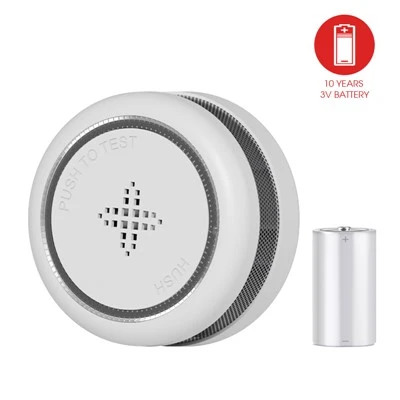
Battery-Powered Detectors: These detectors rely solely on battery power, making them more vulnerable to battery-related issues. Monthly testing is vital to ensure that the batteries are not only present but also have enough charge to power the alarm in an emergency. It's essential to keep a supply of fresh batteries on hand for these detectors.
Hardwired Detectors: These detectors are connected to the home's electrical system, which typically provides a consistent power source. However, they usually include backup batteries to maintain functionality during power outages. Even with this redundancy, hardwired smoke detectors must still be tested monthly. This testing helps to verify that both the backup batteries and the electrical components are in good working order.
In conclusion, adhering to the USFA's recommendations for testing and maintaining smoke detectors is an easy yet effective way to enhance home safety. By establishing a regular testing routine and being mindful of the specific needs of your smoke detectors, you can help protect your family and property from the devastating effects of fire.
How do you test it?
You should always check the manufacturer's instructions for the proper method of testing your smoke detector and fire alarm. But, in general, the USFA states most battery-powered and hardwired smoke detectors can be tested in the following way:
Step 1. Alert family members that you will be testing the alarm. Smoke detectors have a high-pitched alarm that may frighten small children, so you'll want to let everyone know you plan to test the alarms to help avoid scaring anyone.
Step 2. Station a family member at the furthest point away from the alarm in your home. This can be critical to help make sure the alarm can be heard everywhere in your home. You may want to install extra detectors in areas where the alarm's sound is low, muffled or weak.
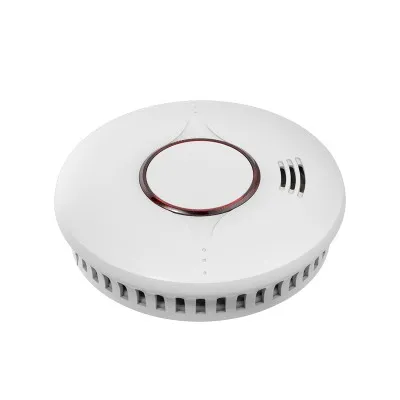
Step 3. Press and hold the test button on the smoke detector. It can take a few seconds to begin, but a loud, ear-piercing siren should emanate from the smoke detector while the button is pressed. If the sound is weak or nonexistent, replace your batteries. If it has been more than six months since you last replaced the batteries (whether your detector is battery-powered or hardwired), change them now regardless of the test result, and test the new batteries one final time to help ensure proper functioning. You should also look at your smoke detector to make sure there's no dust or other substance blocking its grates, which may prevent it from working even if the batteries are new.
Remember, smoke detectors have a normal life span of 10 years, according to the USFA. Even if you've performed regular maintenance, and your device is still functional, you should replace a smoke detector after the 10-year period or earlier, depending on the manufacturer's instructions.
Installing smoke detectors can be a great way to help keep your family safe, but assuming they are working may lead to a dangerous situation. Taking a few minutes to check them regularly can help ensure they're working properly.
This article highlights examples of precautions you can consider to help maintain your personal property. Please recognize that a particular precaution may not be appropriate or effective in every circumstance and that taking preventive measures cannot guarantee any outcome. We encourage you to use your own good judgment about what's appropriate and always consider safety.