



Fire safety is crucial for every home, and it's essential to take the necessary precautions to protect yourself and your loved ones. Here are some tips for installing and maintaining smoke detectors, carbon monoxide alarms, and fire extinguishers in your home:
Smoke Detectors:
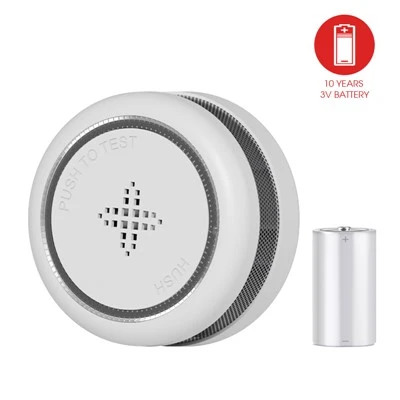
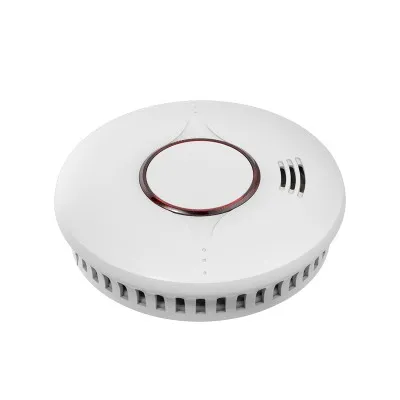
Install at least one smoke detector on every level of your home, including basements and attics.
Place a smoke detector in every bedroom and outside every sleeping area to ensure early detection of smoke and fire.
Mount smoke detectors high on a wall or near the center of the ceiling, at least 10 feet away from cooking appliances to avoid false alarms.
When mounted on a wall, smoke alarms should be within 12 inches of the ceiling to maximize their effectiveness.
Test your smoke detectors at least once a month to ensure they are working properly.
Replace the batteries in your smoke detectors every six months or as recommended by the manufacturer.
Carbon Monoxide Alarms:
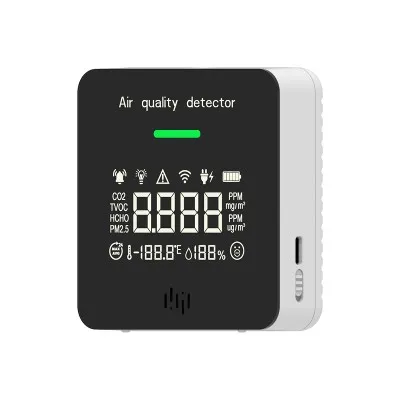
Install carbon monoxide alarms on every level of your home, in every bedroom, and outside every sleeping area, just like smoke detectors.
Place carbon monoxide detectors near attached garages in case cars are running and in other places recommended by the manufacturer.
Avoid installing carbon monoxide alarms too close to any fuel-burning appliance, at least 10 feet away.
Do not install carbon monoxide alarms in moist areas such as bathrooms or in direct sunlight.
Do not place carbon monoxide alarms in areas with too much air circulation, such as near fans or vents.
Test your carbon monoxide alarms at least once a month and replace the batteries as needed.
Fire Extinguishers:
It's recommended to have fire extinguishers on every level of your home, but there are key locations to consider.
Place a fire extinguisher in the kitchen, as most house fires start there.
Install a fire extinguisher in the garage or workshop, as these areas contain combustible and flammable items and spark-producing tools.
Place a fire extinguisher in the laundry room, as lint from dryers is extremely flammable.
Keep a fire extinguisher near heat sources such as patio grills, fireplaces, chimneys, stoves, wood stoves, and electrical panels.
Remember that household fire extinguishers can save lives by putting out small fires or controlling them until help arrives, but they have limitations.
Your first priority should always be to get out of your home safely in the event of a fire.
By following these tips and taking the necessary precautions, you can help ensure the safety of your home and the people living in it. Always consult with a professional if you have any questions or concerns about fire safety in your home.