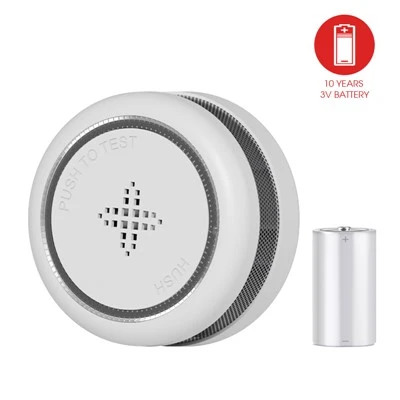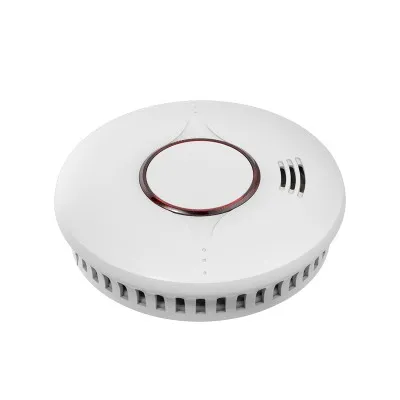


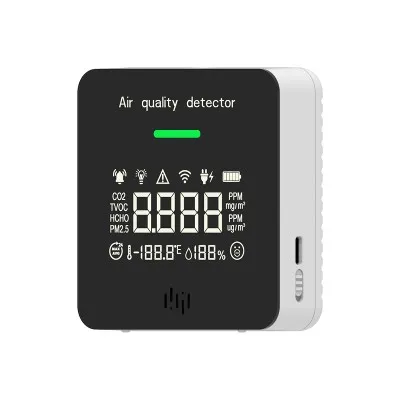


As an important fire safety device, the normal operation of smoke detectors is crucial for timely detection of fire hazards. However, the energy consumption of smoke detectors is also a matter of concern. Proper maintenance can not only extend the service life of smoke detectors, but also effectively reduce their energy consumption. This article will explore the specific impact of smoke detector maintenance on energy consumption.
Energy consumption factors of smoke detectors
The energy consumption of smoke detectors is mainly affected by the following factors:
Sensor type: Different types of smoke sensors (such as ionization and photoelectric) differ in power consumption. Photoelectric sensors usually consume less power than ionization sensors2.
Working state: The power consumption of smoke detectors in standby mode is much lower than that in alarm mode. Frequent false alarms will lead to increased energy consumption.
Battery type: The type and capacity of the battery will also affect the energy consumption of smoke detectors. High-quality batteries can provide a more stable power supply and reduce energy consumption.
Effect of maintenance on energy consumption
Proper maintenance can significantly reduce the energy consumption of smoke detectors, which is specifically reflected in the following aspects:
Regular cleaning:
Sensor cleaning: Regular cleaning of smoke sensors can prevent the accumulation of dust and dirt, which may cause the sensor sensitivity to decrease, thereby increasing the frequency of false alarms and increasing energy consumption.
Cleaning the casing: Cleaning the casing of the smoke detector can prevent corrosion and oxidation, ensure the normal heat dissipation of the device, and reduce the additional energy consumption caused by overheating.
Functional testing:
Regular testing: Regularly performing functional tests on smoke detectors can ensure that the device is in good condition and avoid high energy consumption caused by malfunctions. By pressing the test button, you can check whether the detector is working properly.
Battery replacement:
Replace the battery in time: When the battery power is low, the battery should be replaced in time to ensure that the smoke detector works properly. Low-power batteries will not only affect the performance of the detector, but also increase energy consumption.
Environmental control:
Avoid high temperature environment: Smoke detectors should be placed in a high temperature environment to avoid overheating and damage to the device, which will increase energy consumption.
Avoid humid environment: A humid environment may cause circuit short circuits or damage to internal components, increasing energy consumption.
Conclusion
Proper maintenance can not only extend the service life of smoke detectors, but also effectively reduce their energy consumption. Through regular cleaning, functional testing, timely battery replacement, and controlled use environment, smoke detectors can be ensured to operate efficiently with low energy consumption. This not only helps save energy, but also improves fire safety.