



Smoke detectors play a critical role in fire safety by providing early warnings of smoke or fire. These devices are available in various forms, including battery-powered and hard-wired models. One common concern among users is the power consumption of these detectors, particularly whether they are low-drain devices. This article will explore this question in detail, examining the power requirements of different types of smoke detectors and their impact on battery life.
Understanding Low-Drain Devices
Low-drain devices are those that consume minimal power, allowing batteries to last for extended periods without frequent replacement. These devices typically operate in a low-power state most of the time, only drawing significant power when actively performing their function, such as sounding an alarm in the case of smoke detectors.
Battery-Powered Smoke Detectors
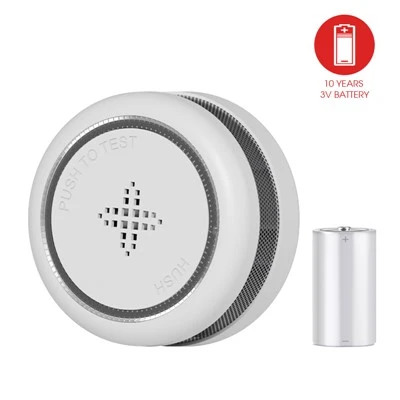
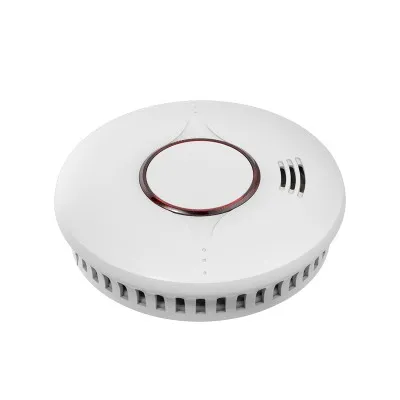
Battery-powered smoke detectors are designed to be low-drain devices. They operate continuously but consume very little power in their idle state. Most modern smoke detectors use advanced electronics to minimize power consumption, ensuring that batteries can last for several years under normal conditions.
Here are some key points about the power consumption of battery-powered smoke detectors:
- Idle State: In the absence of smoke, these detectors remain in a low-power mode, consuming minimal energy.
- Alarm State: When smoke is detected, the device switches to a high-power mode to sound the alarm. This increased power consumption is temporary and does not significantly affect overall battery life.
- Battery Life: Under normal conditions, batteries in smoke detectors can last anywhere from 5 to 10 years, depending on the model and usage.
Hard-Wired Smoke Detectors
Hard-wired smoke detectors are connected to a building's electrical system, eliminating the need for batteries. While they do not have the same power consumption concerns as battery-powered models, they still operate efficiently to minimize energy use.
- Power Supply: These detectors draw power directly from the building's electrical system, which is typically more stable and reliable than batteries.
- Energy Efficiency: Despite being connected to the mains, hard-wired smoke detectors are designed to be energy-efficient, consuming minimal power when not in use.
Factors Affecting Power Consumption
Several factors can influence the power consumption of smoke detectors, regardless of whether they are battery-powered or hard-wired:
- Type of Sensor: Different types of smoke detectors, such as ionization and photoelectric sensors, have varying power requirements. Photoelectric sensors generally consume less power.
- Interconnectivity: Interconnected smoke detectors may consume slightly more power due to the communication between units, but this increase is usually negligible.
- Maintenance: Regular maintenance, such as cleaning the sensor chamber, can help ensure optimal performance and prevent unnecessary power consumption.
Conclusion
In conclusion, smoke detectors are designed to be low-drain devices, whether they are battery-powered or hard-wired. Battery-powered models, in particular, are optimized for minimal power consumption to extend battery life. Hard-wired detectors, while connected to the mains, also operate efficiently to conserve energy. By understanding the power requirements of these devices, users can make informed decisions about their fire safety systems and ensure reliable protection for their homes or businesses.