



1. The harm of carbon monoxide
Depending on the degree of exposure, carbon monoxide can cause the following symptoms:
· Headache
· Dizziness
· Nausea
· Weakness
· Vomiting
· Loss of consciousness
· Shortness of breath
· Light-headedness
· Sleepiness
· Loss of muscle control
· Chest tightness
· Confusion
· Blurred vision
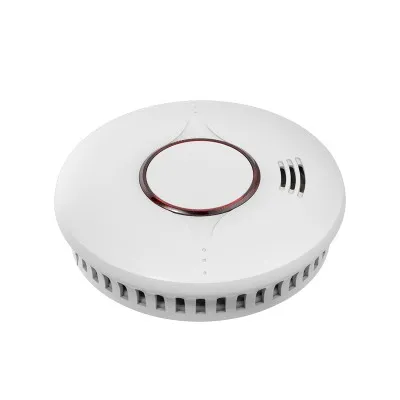
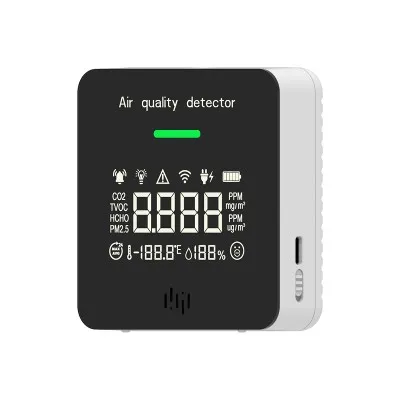
Remember that carbon monoxide is odorless and colorless, so without a CO detector, it can build up in your home without your knowledge.The thing to know: carbon monoxide in and of itself is more dangerous to babies and young children. Infants in utero, newborns, and young children process carbon monoxide differently, have more severe reactions, and may see effects faster than adults. If you and your young child were in a room that was filling with carbon monoxide, it’s your baby or child that would suffer the consequences first. They may not know how to tell you about their complaints and if they were sleeping you may not even know. Hence all of us needing a CO detector.
2. Is carbon monoxide poisoning only when there is an open flame ?
The answer is “NO”.In fact, a 2011 study CDC reports that over 15,000 people each year are treated in emergency rooms for non-fire related carbon monoxide exposures. And an average of about 500 people dies each year from non-fire related carbon monoxide exposures.
The CDC also reports that common sources of carbon monoxide exposure include:
· Oil and gas furnaces
· Motor vehicles
· Stove/Gas range
· Gas line leaks
· Gas water heaters
· Generators
· Space heaters
So you should definitely have a carbon monoxide detector in your home if you have any appliances that are not electric and that burn natural or liquefied petroleum gas, oil, wood, coal, or other fuels, or if you have a home with an attached garage.