





Hey there! As a supplier of hardwired smoke detectors, I often get asked whether these devices are required by law. It's a crucial question, especially when it comes to safety in homes and commercial buildings. Let's dive right in and explore this topic.
Understanding Hardwired Smoke Detectors
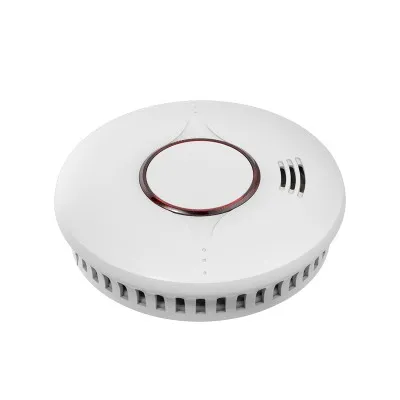
First off, what are hardwired smoke detectors? Unlike battery - operated ones, hardwired smoke detectors are connected directly to your home's electrical system. They usually come with a backup battery in case of a power outage, which ensures continuous protection.
There are different types of hardwired smoke detectors available in the market. For instance, you've got the 220V Smoke Alarm With Battery, which is designed to work on a 220V power supply with a battery backup. Then there's the Hardwired Smoke Alarm AC DC Battery, capable of operating on both AC and DC power sources, and the BSI Hardwired Smoke Detector, which meets certain industry standards.
Legal Requirements for Hardwired Smoke Detectors
The legal requirements for hardwired smoke detectors vary from place to place. In many countries and states, there are specific laws in place to ensure the safety of residents.
In the United States, for example, the National Fire Protection Association (NFPA) sets the standards for smoke detector installation. According to NFPA 72, new homes are generally required to have hardwired smoke detectors installed on every level of the home, including basements, and outside each sleeping area. This requirement aims to provide early warning in case of a fire, giving residents more time to evacuate safely.
Some states have even gone a step further and made hardwired smoke detectors mandatory for all homes, whether new construction or existing ones. California, for instance, passed legislation requiring hardwired smoke detectors in all single - family homes. This law was put in place after studies showed that hardwired detectors are more reliable than battery - operated ones, as they don't rely on the user to replace batteries regularly.
In the United Kingdom, the Building Regulations also have provisions regarding smoke detectors. For new dwellings, hardwired interconnected smoke alarms are required on every floor where there are habitable rooms. This interconnected feature means that if one alarm goes off, all the alarms in the house will sound, increasing the chances of everyone being alerted to the fire.
Why the Law Favors Hardwired Smoke Detectors
There are several reasons why laws tend to favor hardwired smoke detectors over their battery - operated counterparts.
One of the main reasons is reliability. Battery - operated smoke detectors rely on the user to replace the batteries regularly. However, many people forget to do this, which can lead to the detector being non - functional when a fire breaks out. Hardwired smoke detectors, on the other hand, are constantly powered by the electrical system of the building. The backup battery only kicks in during a power outage, ensuring that the detector remains operational at all times.
Another advantage is the interconnected feature. Most hardwired smoke detectors can be interconnected, so when one detector senses smoke, all the detectors in the building will go off. This is a significant safety improvement, as it ensures that everyone in the building is alerted to the fire, even if they are in a different part of the house or building.


Exceptions and Special Cases
While there are laws in place promoting hardwired smoke detectors, there are also some exceptions. In some older buildings, it may be difficult or impossible to install hardwired smoke detectors due to the lack of proper electrical wiring. In such cases, battery - operated smoke detectors may be allowed as an alternative, but they still need to meet certain safety standards.
Some historical buildings may also be exempt from the hardwired smoke detector requirements. However, this doesn't mean that they are completely off the hook. These buildings usually need to come up with an alternative fire safety plan, which may include regular fire drills, additional fire extinguishers, and more frequent inspections.
The Role of a Supplier
As a supplier of hardwired smoke detectors, I play an important role in ensuring that customers are aware of the legal requirements in their area. When customers come to me looking for smoke detectors, I always take the time to explain the local laws and regulations regarding installation.
I also provide high - quality products that meet or exceed the industry standards. Whether it's the 220V Smoke Alarm With Battery, the Hardwired Smoke Alarm AC DC Battery, or the BSI Hardwired Smoke Detector, I make sure that each product is reliable and will provide the necessary protection in case of a fire.
Conclusion and Call to Action
In conclusion, the legal requirements for hardwired smoke detectors vary depending on where you live, but in general, there is a growing trend towards making them mandatory for the safety of residents. Whether you're building a new home or renovating an existing one, it's important to check the local laws and regulations regarding smoke detector installation.
If you're in the market for hardwired smoke detectors, I'm here to help. I can provide you with the right products for your needs and ensure that you're compliant with the law. Don't hesitate to reach out if you have any questions or if you're ready to start the procurement process. Let's work together to make your home or building a safer place.
References
- National Fire Protection Association (NFPA) 72
- California Building Codes regarding smoke detectors
- UK Building Regulations for smoke alarms


