





Are heat detectors suitable for fire proofing theaters?
As a supplier of heat detector fire proof solutions, I've been asked this question numerous times. The answer isn't a simple yes or no; it requires a comprehensive analysis of the unique characteristics of theaters and the capabilities of heat detectors.
Understanding Theaters' Fire Risks
Theaters are complex environments filled with various fire - prone elements. Firstly, the stage area often contains a large amount of flammable materials such as curtains, scenery, and props. These materials can catch fire easily, especially when there are electrical malfunctions or open flames used in performances. Secondly, the auditorium is usually packed with a large number of people. In case of a fire, a quick and accurate detection system is crucial to ensure the safety of the audience. Moreover, theaters are typically large - scale buildings with high ceilings, which can pose challenges for fire detection.
How Heat Detectors Work
Heat detectors operate based on the principle of detecting changes in temperature. There are two main types: fixed - temperature heat detectors and rate - of - rise heat detectors. Fixed - temperature heat detectors are designed to activate when the temperature reaches a pre - set level, usually around 57 - 74 degrees Celsius. Rate - of - rise heat detectors, on the other hand, trigger an alarm when the temperature rises at a rapid rate, regardless of the actual temperature.
Advantages of Using Heat Detectors in Theaters
- Reliability in Specific Situations
Heat detectors are highly reliable in environments where smoke may be present under normal circumstances. In theaters, during performances, there might be artificial fog or smoke effects. Smoke detectors can be easily triggered by these effects, leading to false alarms. Heat detectors, however, are not affected by such visual obstructions and can accurately detect a real fire based on temperature changes. - Suitability for High - Ceilinged Areas
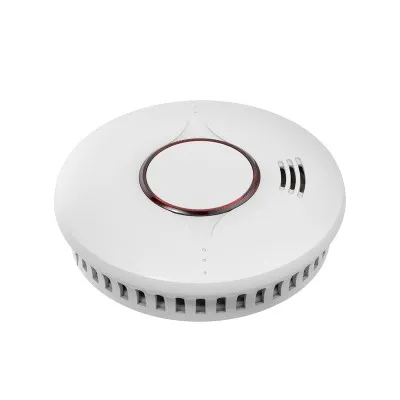
The high ceilings in theaters can make it difficult for smoke to reach traditional smoke detectors in a timely manner. Heat, on the other hand, rises and can be detected more effectively by heat detectors even in large - volume spaces. Our Intelligent Heat Detector is specifically designed to handle such large - scale environments. It can accurately monitor temperature changes in the theater and send out alarms promptly. - Long - Term Durability
Heat detectors generally have a longer lifespan compared to some other types of fire detection devices. They are less prone to damage from environmental factors such as dust and humidity, which are common in theaters. This means less maintenance and replacement costs in the long run.
Limitations of Heat Detectors in Theaters
- Slower Detection in Some Cases
Heat detectors may take longer to detect a fire compared to smoke detectors, especially in the early stages of a fire when the heat has not yet spread significantly. In a theater, where a large number of people are present, every second counts in case of a fire. A delay in detection could potentially lead to more serious consequences. - Inability to Detect Smoldering Fires
Smoldering fires produce a large amount of smoke but may not generate enough heat to trigger a heat detector. In theaters, where there could be hidden electrical fires or smoldering materials, this limitation can be a significant drawback.
Complementary Solutions
To overcome the limitations of heat detectors, it is often recommended to use them in combination with other fire detection systems. Smoke detectors can be installed in areas where false alarms are less likely, such as backstage areas where there are no artificial smoke effects. Additionally, flame detectors can be used in areas where open flames are used during performances.
Our company offers a range of heat detection products, including Hard Wired Heat Alarms and Wireless Heat Detector. These products can be integrated with other fire detection systems to provide a comprehensive fire protection solution for theaters.
Conclusion
In conclusion, heat detectors can be a suitable option for fire proofing theaters, but they are not a one - size - fits - all solution. Their reliability in specific situations, suitability for high - ceilinged areas, and long - term durability make them a valuable addition to a theater's fire protection system. However, their limitations in terms of slower detection and inability to detect smoldering fires mean that they should be used in combination with other fire detection technologies.


If you are a theater owner or manager looking for a reliable fire protection solution, we invite you to contact us for a detailed consultation. Our team of experts can help you design a customized fire detection system that meets the specific needs of your theater.
References
- NFPA 72: National Fire Alarm and Signaling Code
- UL 521: Standard for Heat Detectors for Fire Protective Signaling Systems
- The Handbook of Fire Protection Engineering


