

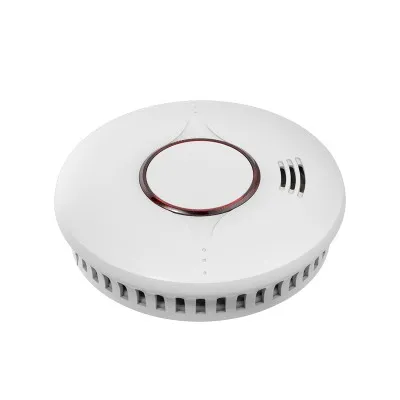




When it comes to installing a hardwired heat detector, safety should always be your top priority. As a trusted supplier of hardwired heat detectors, we understand the significance of proper installation to ensure the reliable operation of these life - saving devices. In this blog, we will discuss the essential safety precautions you should take during the installation process.
1. Electrical Safety
Before you start any installation work, it is crucial to turn off the power supply to the area where you will be installing the heat detector. This can prevent electrical shocks, which can be extremely dangerous and even life - threatening. Locate the circuit breaker or fuse box that controls the power in the installation area. Switch off the corresponding breaker or remove the fuse. To double - check, use a voltage tester to confirm that there is no electrical current flowing in the wires.
When handling electrical wires, always wear insulated gloves and use insulated tools. This helps to protect you from accidental contact with live wires. Make sure that the wires are in good condition, without any cuts, frays, or exposed conductors. If you find damaged wires, replace them immediately to avoid short - circuits or electrical fires.
It's also important to follow the local electrical codes and regulations. These codes are designed to ensure the safety of electrical installations. For example, in many areas, hardwired heat detectors must be connected to a dedicated circuit or a circuit that has the appropriate amperage rating to handle the additional load.


2. Location Selection
The location where you install the hardwired heat detector can significantly impact its performance and your safety. First of all, avoid installing the detector near sources of heat, such as heaters, stoves, or ovens. The constant heat from these appliances can cause false alarms, making the detector unreliable. If you need a heat detector for your kitchen, we recommend our Heat Alarm For Kitchen, which is specially designed to withstand the high - heat environment of kitchens.
On the other hand, ensure that the detector is installed in an area where heat can easily reach it. Avoid placing it in corners or behind large objects that can block the flow of heat. For optimal coverage, install the detectors on the ceiling, following the manufacturer's guidelines. The ideal position is usually in the center of the room or along the ceiling joists.
In multi - level buildings, install heat detectors on every floor, including the basement and attic. This ensures that you are protected from a fire at all levels of your home. Consider the layout of your rooms and the potential fire hazards. For example, in a large open - plan area, you may need to install multiple detectors to ensure comprehensive coverage.
3. Mounting the Detector
When mounting the hardwired heat detector, use the appropriate mounting hardware provided by the manufacturer. Ensure that the mounting surface is flat, stable, and capable of supporting the weight of the detector. If you are mounting the detector on a ceiling, make sure that the ceiling structure can hold the additional weight without sagging or collapsing.
Before attaching the detector, carefully read the installation instructions. Some detectors may require specific alignment or spacing from other objects. Use a level to ensure that the detector is mounted straight. This not only ensures its proper appearance but also its optimal performance.
After mounting the detector, securely fasten all the mounting screws or brackets. Loose mounting can cause the detector to vibrate or shift, which may affect its sensitivity and potentially lead to false alarms or a failure to detect a fire.
4. Wiring the Detector
Wiring the hardwired heat detector correctly is essential for its functionality. Follow the wiring diagram provided in the installation manual carefully. Match the colors of the wires on the detector with the corresponding wires in your electrical system. Most heat detectors have specific wire connections for power, ground, and alarm signals.
When making wire connections, use the appropriate wire connectors. Twist the wires together firmly and then secure them with wire nuts or other approved connectors. Make sure that the connections are tight and there is no exposed wire. Loose connections can cause intermittent power supply, false alarms, or even electrical fires.
It is also important to ensure that the wires are neatly routed and tied to prevent them from being damaged or accidentally pulled out. Avoid sharp bends or kinks in the wires, as these can cause the insulation to crack and expose the conductors.
5. Testing and Maintenance
Once the installation is complete, it is essential to test the hardwired heat detector to ensure that it is working properly. Follow the testing procedure provided by the manufacturer. This usually involves triggering the detector either manually or using a test button on the device. If the alarm does not sound, there may be a problem with the installation, such as a loose wire or a faulty detector.
Regular maintenance is also crucial for the long - term reliability of the heat detector. Clean the detector periodically to remove dust and debris, which can accumulate on the sensor and affect its sensitivity. Check the wiring connections at least once a year to ensure that they are still tight and secure.
6. Compatibility and Interconnection
If you plan to install multiple hardwired heat detectors in your home, make sure that they are compatible with each other. Some detectors are designed to work in an interconnected system, where if one detector senses heat and triggers an alarm, all the other interconnected detectors will also sound. This provides early warning throughout the house.
When installing an interconnected system, follow the interconnection instructions carefully. Use the appropriate interconnection wires and ensure that they are properly connected. Incorrect interconnection can prevent the detectors from communicating effectively and may result in some areas of the house not being alerted in case of a fire.
7. Home and Garage Considerations
For your home in general, using Home Heat Detectors can provide reliable protection. These detectors are designed to be sensitive enough to detect a fire in a timely manner while minimizing false alarms.
In the garage, where there may be additional fire hazards such as gasoline, oil, and electrical equipment, our Smart Heat Detector For Garage is a great choice. It can detect heat quickly and send an alarm signal, even if you are not in the immediate vicinity.
In conclusion, installing a hardwired heat detector is an important step in protecting your home and family from the dangers of fire. By following these safety precautions, you can ensure that the installation is done correctly and that the detector functions reliably. If you have any questions about the installation process or need assistance in selecting the right hardwired heat detector for your needs, please feel free to contact us. We are here to help you make the best decisions for your safety.
References
- National Fire Protection Association (NFPA) codes and standards related to fire detection and alarm systems.
- Manufacturer's installation and user manuals for hardwired heat detectors.


