





Can a carbon monoxide detector be used in a cold environment?
As a supplier of carbon monoxide detectors, this is a question I often encounter from customers. Carbon monoxide (CO) is a colorless, odorless, and tasteless gas that can be extremely dangerous, even fatal, when inhaled in high concentrations. Carbon monoxide detectors are essential safety devices designed to alert people when CO levels in the air reach dangerous levels. But can they function effectively in cold environments? Let's delve into this topic.
How Carbon Monoxide Detectors Work
Before discussing their performance in cold environments, it's important to understand how carbon monoxide detectors operate. There are mainly three types of carbon monoxide detectors: biomimetic sensors, electrochemical sensors, and metal oxide semiconductor (MOS) sensors.
Biomimetic sensors contain a gel that changes color when exposed to carbon monoxide. The detector measures this color change and triggers an alarm when CO levels reach a certain threshold. Electrochemical sensors, on the other hand, use a chemical reaction between carbon monoxide and an electrode to generate an electrical current. The strength of the current is proportional to the CO concentration, and the detector sounds an alarm when the current exceeds a pre - set limit. MOS sensors work by detecting changes in the electrical conductivity of a metal oxide material when it comes into contact with carbon monoxide.


The Impact of Cold Temperatures on Carbon Monoxide Detectors
1. Sensor Performance
Cold temperatures can have a significant impact on the performance of carbon monoxide detectors, especially electrochemical sensors. Electrochemical sensors rely on chemical reactions to detect CO. In cold environments, the rate of these chemical reactions slows down. This means that the sensor may take longer to detect an increase in CO levels or may not detect them at all until the concentration is much higher than normal.
For example, in extremely cold conditions, the electrolyte inside an electrochemical sensor may freeze, which can completely stop the chemical reaction and render the sensor inoperable. Biomimetic sensors may also be affected by cold temperatures as the gel's properties can change, potentially leading to inaccurate readings. MOS sensors are generally more resistant to cold temperatures, but they can still experience some performance degradation as the electrical conductivity of the metal oxide material may change in cold weather.
2. Battery Life
Most carbon monoxide detectors are battery - powered. Cold temperatures can significantly reduce the battery life of these devices. Batteries operate based on chemical reactions, and like electrochemical sensors, these reactions slow down in cold conditions. As a result, the battery may not be able to provide enough power to the detector, causing it to malfunction or stop working altogether.
3. Mechanical Components
Some carbon monoxide detectors have mechanical components such as fans or moving parts. In cold environments, these components may become stiff or brittle, increasing the risk of mechanical failure. For instance, a fan that is used to draw air into the detector may not spin properly in cold weather, reducing the detector's ability to sample the air effectively.
Using Carbon Monoxide Detectors in Cold Environments
Despite the challenges, it is still possible to use carbon monoxide detectors in cold environments, but some precautions need to be taken.
1. Choose the Right Detector
If you need to use a carbon monoxide detector in a cold environment, consider choosing a detector with a MOS sensor. As mentioned earlier, MOS sensors are more resistant to cold temperatures compared to electrochemical and biomimetic sensors. Additionally, look for detectors that are specifically designed for use in cold climates. These detectors may have features such as insulation or heating elements to maintain the sensor's operating temperature.
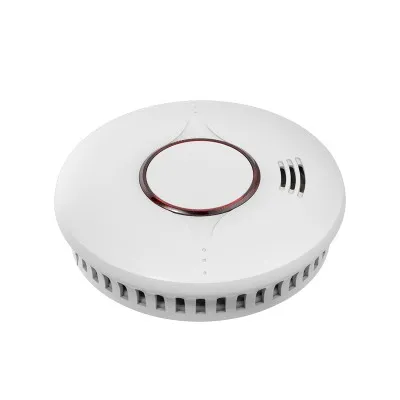
For example, our New Version CO Alarm is designed with advanced technology to ensure reliable performance even in cold conditions. It uses a high - quality MOS sensor and has built - in temperature compensation features to minimize the impact of cold temperatures on its performance.
2. Keep the Detector Warm
If possible, try to keep the carbon monoxide detector in a warm area. For example, if the detector is installed in a garage or a shed, you can use a small heater to maintain a relatively stable temperature around the detector. However, make sure that the heater is not too close to the detector as it could cause overheating and damage the device.
3. Regular Maintenance and Testing
In cold environments, it is even more important to regularly maintain and test your carbon monoxide detector. Check the batteries frequently and replace them if they are running low. Test the detector at least once a month to ensure that it is working properly. You can do this by pressing the test button on the detector. If the alarm does not sound, replace the detector immediately.
Our Long - Term Solution: The 10 Years Carbon Monoxide Detector
We also offer the 10 Years Carbon Monoxide Detector, which is an excellent option for use in cold environments. This detector uses a long - life battery that is designed to withstand a wide range of temperatures, including cold conditions. It also has a self - diagnostic feature that continuously monitors the detector's performance and alerts you if there are any issues.
Conclusion
In conclusion, while carbon monoxide detectors can be used in cold environments, cold temperatures can pose significant challenges to their performance. It is crucial to choose the right detector, take steps to keep it warm, and perform regular maintenance and testing. As a carbon monoxide detector supplier, we are committed to providing high - quality products that can operate effectively in various environments, including cold ones.
If you are interested in purchasing carbon monoxide detectors for use in cold environments or have any questions about our products, please feel free to contact us for a detailed discussion and procurement negotiation. We are here to help you ensure the safety of your home or workplace.
References
- "The Effect of Temperature on Electrochemical Gas Sensors" - Journal of Sensor Science and Technology
- "Battery Performance in Cold Environments" - Battery Technology Review
- "Carbon Monoxide Detector Standards and Performance in Extreme Conditions" - National Fire Protection Association


