





Can a carbon monoxide detector be used in an industrial setting?
As a supplier of carbon monoxide detectors, I am often asked whether our products can be used in industrial settings. This is a crucial question, considering the unique requirements and challenges that industrial environments present. In this blog post, I will explore the feasibility of using carbon monoxide detectors in industrial settings, the factors to consider, and the benefits of doing so.
Understanding Carbon Monoxide in Industrial Settings
Carbon monoxide (CO) is a colorless, odorless, and tasteless gas that is produced by the incomplete combustion of carbon-containing fuels. In industrial settings, CO can be generated from a variety of sources, including furnaces, boilers, generators, internal combustion engines, and industrial processes such as welding and metal cutting. Exposure to high levels of CO can be extremely dangerous, as it binds to hemoglobin in the blood, preventing the normal transport of oxygen. This can lead to symptoms ranging from headaches and dizziness to unconsciousness and even death.
Feasibility of Using Carbon Monoxide Detectors in Industrial Settings
The short answer is yes, carbon monoxide detectors can be used in industrial settings. However, it is important to understand that not all detectors are created equal. Industrial environments have unique characteristics that require detectors with specific features and capabilities.
Sensitivity and Range
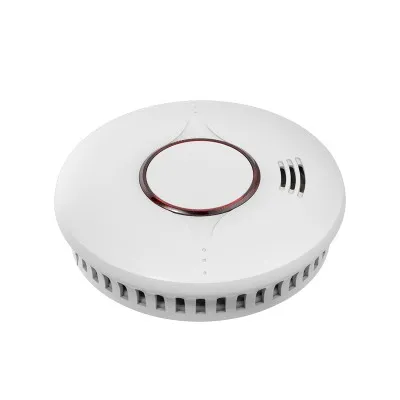
Industrial settings often have higher levels of CO compared to residential or commercial environments. Therefore, industrial-grade carbon monoxide detectors need to have a higher sensitivity and a wider detection range. Our 10 Years Carbon Monoxide Detector is designed to detect CO levels accurately in a wide range, making it suitable for industrial applications.
Durability and Reliability
Industrial environments are often harsh, with factors such as dust, moisture, vibrations, and temperature fluctuations. Detectors used in these settings need to be durable and reliable. Our detectors are built with high-quality materials and are designed to withstand the rigors of industrial use. They are also tested extensively to ensure long-term reliability.
Response Time
In an industrial setting, a quick response to a CO leak is crucial. Our detectors are engineered to have a fast response time, allowing for prompt detection of CO and timely action to be taken. This can help prevent serious health risks and potential damage to equipment and property.
Compatibility with Industrial Systems
Many industrial facilities have complex control systems and safety protocols. Our carbon monoxide detectors can be integrated with these systems, allowing for seamless monitoring and control. This integration ensures that the detectors can communicate effectively with other safety devices and systems in the facility.
Factors to Consider When Using Carbon Monoxide Detectors in Industrial Settings
Placement
Proper placement of carbon monoxide detectors is essential for effective detection. In industrial settings, detectors should be placed in areas where CO is likely to accumulate, such as near sources of combustion, in ventilation ducts, and in areas where workers are likely to be exposed. It is also important to consider the height at which the detectors are installed, as CO is slightly lighter than air and tends to rise.
Calibration and Maintenance
Regular calibration and maintenance are necessary to ensure the accuracy and reliability of carbon monoxide detectors. In industrial settings, where the detectors are exposed to harsh conditions, calibration and maintenance may need to be more frequent. Our company provides comprehensive calibration and maintenance services to ensure that our detectors are always functioning properly.
Regulatory Requirements
Industrial facilities are subject to various regulatory requirements regarding the use of carbon monoxide detectors. It is important to ensure that the detectors used in the facility comply with all relevant regulations and standards. Our detectors are designed and tested to meet or exceed industry standards, ensuring compliance with regulatory requirements.


Benefits of Using Carbon Monoxide Detectors in Industrial Settings
Worker Safety
The primary benefit of using carbon monoxide detectors in industrial settings is to protect the safety and health of workers. By detecting CO leaks early, detectors can alert workers to the presence of the gas and allow them to take appropriate action, such as evacuating the area or using personal protective equipment.
Equipment Protection
Exposure to high levels of CO can also damage industrial equipment and machinery. By detecting CO leaks early, detectors can help prevent damage to equipment and reduce the risk of costly repairs and downtime.
Compliance with Regulations
Using carbon monoxide detectors in industrial settings helps facilities comply with regulatory requirements. This can help avoid fines and penalties and ensure that the facility operates in a safe and legal manner.
Peace of Mind
For facility managers and owners, having carbon monoxide detectors installed provides peace of mind. Knowing that the facility is protected against the dangers of CO leaks allows them to focus on other aspects of running the business.
Our New Version CO Alarm
We are proud to introduce our New Version CO Alarm. This state-of-the-art detector is specifically designed for industrial settings, with enhanced features and capabilities. The new version offers improved sensitivity, faster response time, and better durability. It is also easier to install and maintain, making it an ideal choice for industrial facilities.
Conclusion
In conclusion, carbon monoxide detectors can be effectively used in industrial settings. However, it is important to choose the right detector for the specific requirements of the industrial environment. Our company offers a range of high-quality carbon monoxide detectors that are designed to meet the needs of industrial facilities. If you are interested in learning more about our products or have any questions about using carbon monoxide detectors in your industrial setting, please do not hesitate to contact us. We are here to help you ensure the safety and well-being of your workers and the smooth operation of your facility.
References
- Occupational Safety and Health Administration (OSHA). Carbon Monoxide Standards.
- National Fire Protection Association (NFPA). Standard for the Installation of Carbon Monoxide (CO) Detection and Warning Equipment.


