

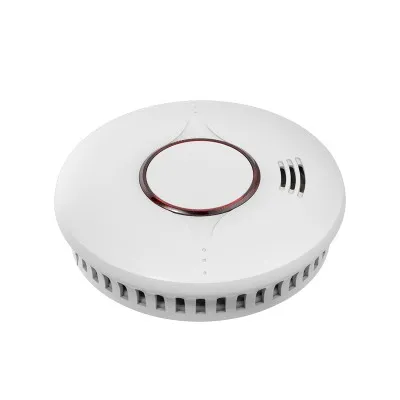




Hey there! As a supplier of Wireless Heat Detectors, I often get asked if these nifty devices can be used in kitchens. It's a super valid question, so let's dive right in and look into this matter.
First off, let's understand what a Wireless Heat Detector is. It's a device that, well, detects heat! And the "wireless" part means you don't have the hassle of running wires all over the place. You can easily install it anywhere you need it, which makes it a pretty appealing option for many. Check out our Wireless Heat Detector for more details.
Now, kitchens are a unique environment. They're filled with various heat - generating appliances like stoves, ovens, toasters, and even coffee makers. These things can create significant amounts of heat during normal operation. So, the big question is, will a wireless heat detector work well in such a high - heat area?
Let's talk about the advantages of using a wireless heat detector in the kitchen. One of the biggest perks is the ease of installation. You don't need to deal with drilling holes for wires or worrying about electrical connections. You can just mount it on the wall or ceiling in your kitchen with relative ease. This is especially useful if you don't want to mess up the aesthetics of your newly renovated kitchen.
Another plus is the mobility. If you ever decide to rearrange your kitchen or move to a new place, you can simply take the wireless heat detector with you and reinstall it. It gives you that flexibility that Hard Wired Heat Alarms don't have.
But, we also need to address the challenges. The main issue is the false alarms. With all the normal heat sources in the kitchen, there's a higher chance that the heat detector might pick up that regular heat and trigger an alarm. For example, when you're baking a cake in the oven or frying some veggies on the stove, the heat can rise quite a bit. If the detector isn't set up correctly or doesn't have smart technology, it could go off every time you cook.
That's where our Intelligent Heat Detector comes in. These detectors are designed with advanced algorithms to distinguish between normal cooking heat and actual fire - related heat. They can analyze the rate of temperature increase and the overall temperature levels to accurately determine if there's a real threat.
Let's compare it with traditional heat detectors. Traditional ones often use simple threshold - based systems. For instance, if the temperature reaches a certain point, they go off. This might work well in other areas of your home, but in the kitchen, it's not ideal because the normal cooking process can easily reach those threshold temperatures.
Our intelligent wireless heat detectors, on the other hand, are more sophisticated. They can learn the normal heat patterns in your kitchen. Over time, they adapt to your cooking habits, so the likelihood of false alarms is significantly reduced.


When choosing a wireless heat detector for your kitchen, there are a few factors to keep in mind. First, consider the sensitivity settings. You can usually adjust these to match the specific heat conditions in your kitchen. If you do a lot of high - heat cooking, you might want to set it at a higher sensitivity level so that it can still detect a fire quickly while ignoring normal cooking heat.
The battery life is another important thing. In the kitchen, you don't want your detector to run out of juice in the middle of cooking. Look for a detector with a long - lasting battery or one that can be easily recharged or have its batteries replaced.
Placement is also crucial. Don't install the detector too close to heat sources like the stove or oven. A good rule of thumb is to keep it at least 3 - 4 feet away from any major heat - generating appliances. Mount it near the ceiling, as heat rises, and it will be more likely to detect the heat if it's placed up high.
Now, let's talk about the safety aspect. Kitchen fires can be very dangerous, often starting from things like oil spills, overheating appliances, or simply leaving something on the stove unattended. A reliable wireless heat detector can give you an early warning in case of a fire. This can potentially save your property, and more importantly, your life and the lives of your loved ones.
In many areas, having a heat detector in the kitchen isn't just a good idea; it's a legal requirement. Insurance companies also often look favorably on homes with proper fire detection systems, which can lead to lower insurance premiums.
So, can a wireless heat detector be used in kitchens? The answer is a resounding yes! But you need to choose the right one. Our wireless heat detectors are designed to handle the unique challenges of the kitchen environment. With their intelligent technology, easy installation, and adjustable settings, they offer a great solution for kitchen fire safety.
If you're interested in learning more about our products or are looking to make a purchase, feel free to reach out for a no - obligation consultation. We're here to help you find the best option for your kitchen and ensure your safety.
References
- Fire Safety Handbook
- Research on Home Fire Detection Systems in Kitchen Environments


