

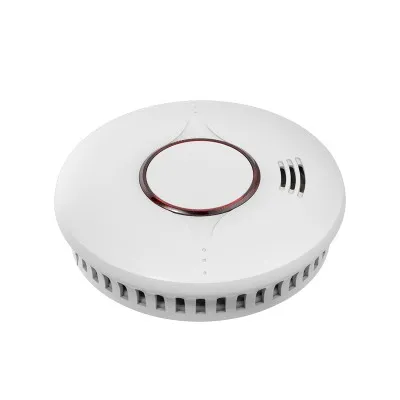




As a supplier of heat detector fire proof solutions, I often get asked whether heat detectors can be effectively used in laboratories for fire prevention. Laboratories are unique environments filled with a variety of chemicals, equipment, and processes that pose specific fire risks. In this blog post, I will explore the feasibility and benefits of using heat detectors in laboratory settings.


The Fire Risks in Laboratories
Laboratories are prone to fires due to several factors. First, the presence of flammable chemicals such as alcohols, solvents, and gases increases the likelihood of ignition. Second, the use of high - power equipment like heaters, hot plates, and furnaces can generate significant heat, which may lead to fires if not properly managed. Third, electrical malfunctions in the numerous devices and instruments in a laboratory can also spark a fire.
Given these risks, early detection of a fire is crucial. A delay in detecting a fire can result in extensive damage to valuable research equipment, loss of important data, and most importantly, endanger the lives of laboratory personnel.
How Heat Detectors Work
Heat detectors are designed to sense an increase in temperature and trigger an alarm when a pre - set temperature threshold is reached. There are two main types of heat detectors: fixed - temperature and rate - of - rise.
Fixed - temperature heat detectors are set to activate when the ambient temperature reaches a specific level, typically around 57°C (135°F) to 74°C (165°F). Once this temperature is reached, the detector sends a signal to the alarm system.
Rate - of - rise heat detectors, on the other hand, monitor the rate at which the temperature is increasing. If the temperature rises too quickly, say more than 12°C (54°F) per minute, the detector will activate the alarm. This type of detector is useful for detecting fast - spreading fires.
Advantages of Using Heat Detectors in Laboratories
Chemical Compatibility
One of the major advantages of heat detectors in laboratories is their chemical compatibility. Unlike smoke detectors, which can be affected by chemical fumes and vapors commonly found in laboratories, heat detectors are not sensitive to these substances. Chemical fumes can cause false alarms in smoke detectors, but heat detectors rely solely on temperature changes, making them more reliable in a chemically - laden environment.
Resistance to Dust and Debris
Laboratories often have a certain amount of dust and debris from experiments and equipment. Smoke detectors can be clogged by dust, reducing their effectiveness. Heat detectors, however, are less likely to be affected by dust and debris, ensuring continuous and accurate operation.
Complementary to Other Fire Detection Systems
Heat detectors can be used in conjunction with other fire detection systems such as smoke detectors. While smoke detectors are excellent at detecting smoldering fires, heat detectors are better at detecting fast - burning fires. By combining both types of detectors, a more comprehensive fire detection system can be established in the laboratory.
Types of Heat Detectors Suitable for Laboratories
Hard Wired Heat Alarms
Hard - wired heat alarms are a reliable option for laboratories. They are connected directly to the building's electrical system, ensuring a continuous power supply. This type of detector is suitable for large laboratories where a centralized fire detection system is required. The hard - wired connection also allows for easy integration with other security and safety systems in the building.
Intelligent Heat Detector
Intelligent heat detectors are equipped with advanced sensors and microprocessors. They can analyze the temperature data more accurately and distinguish between normal temperature fluctuations and actual fire - related temperature changes. This reduces the likelihood of false alarms and provides more reliable fire detection in a laboratory environment.
Mains Power Heat Detector With Battery
Mains power heat detectors with battery backup are ideal for laboratories. They are powered by the main electrical supply, but also have a battery backup in case of a power outage. This ensures that the fire detection system remains operational even during electrical failures, which is crucial in a laboratory where continuous monitoring is required.
Installation Considerations
Proper installation of heat detectors is essential for their effective operation in laboratories. Detectors should be installed in areas where fires are most likely to start, such as near flammable chemical storage areas, heating equipment, and electrical panels.
The height at which the detectors are installed is also important. Generally, heat detectors should be installed at a height of about 2.4 meters (8 feet) from the floor. However, this may need to be adjusted depending on the specific layout and equipment in the laboratory.
Limitations of Heat Detectors
While heat detectors have many advantages in laboratory fire prevention, they also have some limitations. Heat detectors may not detect a fire in its early stages if the fire is smoldering and not generating significant heat. In such cases, smoke detectors may be more effective at providing early warning.
Also, heat detectors are not suitable for detecting fires that occur in areas with high ambient temperatures, such as near industrial ovens or furnaces. In these areas, special high - temperature - resistant heat detectors or other types of fire detection systems may be required.
Conclusion
In conclusion, heat detectors can be a valuable addition to the fire prevention system in laboratories. Their chemical compatibility, resistance to dust and debris, and ability to complement other fire detection systems make them a reliable choice. By choosing the right type of heat detector, such as Hard Wired Heat Alarms, Intelligent Heat Detector, or Mains Power Heat Detector With Battery, and ensuring proper installation, laboratories can enhance their fire safety.
If you are looking to improve the fire prevention measures in your laboratory, I encourage you to contact us for more information on our heat detector products. Our team of experts can help you select the most suitable heat detectors for your specific laboratory requirements and provide professional installation and maintenance services.
References
- National Fire Protection Association. (2019). NFPA 72: National Fire Alarm and Signaling Code.
- American Society for Testing and Materials. (2018). ASTM E2074 - 18 Standard Test Method for Evaluating Heat Detectors Using a Hot - Air Calibration Facility.
- International Electrotechnical Commission. (2017). IEC 60730 - 2 - 9: Automatic electrical controls - Part 2 - 9: Particular requirements for temperature sensing controls.


