





Using a hardwired smoke detector in a kitchen is a topic that often sparks a lot of debate. As a supplier of hardwired smoke detectors, I've had my fair share of customers asking about this. So, let's dig deep and see if it's a good idea or not.
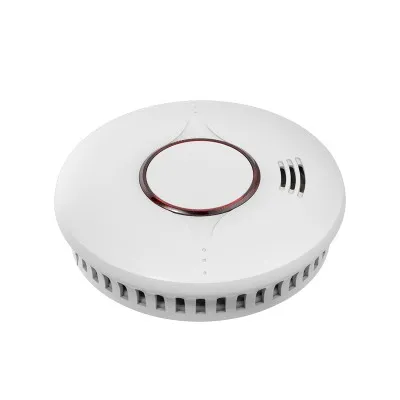
First off, let's understand what a hardwired smoke detector is. It's basically a smoke - sensing device that gets its power from your home's electrical system. Unlike battery - operated ones, you don't have to worry about constantly changing batteries. We offer some great options like the Kitemark AC Hardwired Smoke Detector and Mains Operated Smoke Alarms. These detectors are designed to provide reliable and continuous protection against fires.

Now, the kitchen is a unique environment. It's a place where cooking happens, and cooking can produce a lot of steam, heat, and smoke. The problem with installing a hardwired smoke detector directly in the kitchen is that normal cooking activities can trigger false alarms. For example, when you're frying bacon or baking a pizza, the smoke and steam released can set off the detector. This can be really annoying and might even lead you to disable the detector, which defeats the whole purpose of having it in the first place.
However, that doesn't mean you can't use a hardwired smoke detector in or around the kitchen. There are ways to make it work. One option is to use a Photoelectric Hardwired Smoke Detector. Photoelectric detectors are better at detecting smoldering fires, which are more common in kitchens than fast - flaming fires. They work by detecting the presence of smoke particles in the air using a light source and a light sensor. When smoke enters the chamber, it scatters the light, and the sensor detects this change, triggering the alarm.
Another approach is to install the detector in the right location. Instead of placing it right over the stove, which is the source of most cooking smoke, install it a few feet away from the cooking area. You can also install it in the hallway just outside the kitchen. This way, it can still detect a fire in the kitchen but is less likely to be triggered by normal cooking activities.

It's also important to consider the type of cooking you do. If you do a lot of high - heat cooking, like stir - frying or searing, you might be more prone to false alarms. In this case, you might want to be extra careful about where you place the detector. On the other hand, if you mainly do low - heat cooking, like boiling or steaming, the risk of false alarms is lower.
Some hardwired smoke detectors come with features that can help reduce false alarms. For example, some models have a "hush" button. If you accidentally set off the alarm while cooking, you can press this button to temporarily silence the alarm. This gives you time to clear the smoke or steam without having to go through the hassle of resetting the detector.
In terms of safety regulations, in many areas, it's actually required to have a smoke detector in or near the kitchen. So, using a hardwired smoke detector is a great way to meet these requirements while also providing reliable fire protection.

Let's talk about the benefits of using a hardwired smoke detector in general. As I mentioned earlier, they're connected to your home's electrical system, so you don't have to worry about dead batteries. This means continuous protection, which is crucial in the event of a fire. Also, many hardwired smoke detectors are interconnected. This means that if one detector goes off, all the other detectors in your home will also sound the alarm. This can give you and your family more time to evacuate in case of a fire.
Now, I know some of you might be thinking, "But what if there's a power outage?" Well, most hardwired smoke detectors come with a backup battery. So, even if the power goes out, the detector will still work for a certain period of time, usually a few hours.
In conclusion, while using a hardwired smoke detector in the kitchen can be tricky due to the risk of false alarms, it's definitely possible. By choosing the right type of detector, installing it in the right location, and taking advantage of features that reduce false alarms, you can have a reliable fire - detection system in your kitchen.

If you're interested in learning more about our hardwired smoke detectors or are thinking about making a purchase, we'd love to talk to you. Reach out to us to start a conversation about your specific needs. We can help you choose the best detector for your kitchen and your home.
References
- NFPA (National Fire Protection Association) Guidelines on Smoke Detector Placement
- Consumer Reports on Smoke Detector Performance


